Public land decisions are not always about trailheads, boat ramps, or hunting seasons. Sometimes they are about whether modern infrastructure fits the mission of a wildlife refuge.
The U.S. Fish and Wildlife Service released a draft compatibility determination for Yukon Delta National Wildlife Refuge in Alaska. The review deals with a right-of-way permit request from Quintillion to lay fiber optic cable on Service lands, including subsea cable work in Etolin Strait. The Service is taking public comments through June 19, and hard copies are available in Bethel.
That is exactly the kind of issue that can get ignored by people who hunt, fish, trap, and live around wild country because it does not look like a classic outdoor fight at first glance. But rights-of-way, cables, roads, utility work, and access corridors all matter on public ground. Some projects may be reasonable. Some may need tighter conditions. Some may not fit at all. The point of a compatibility determination is to force the question: does this use work with the purpose of the refuge and the mission of the National Wildlife Refuge System?
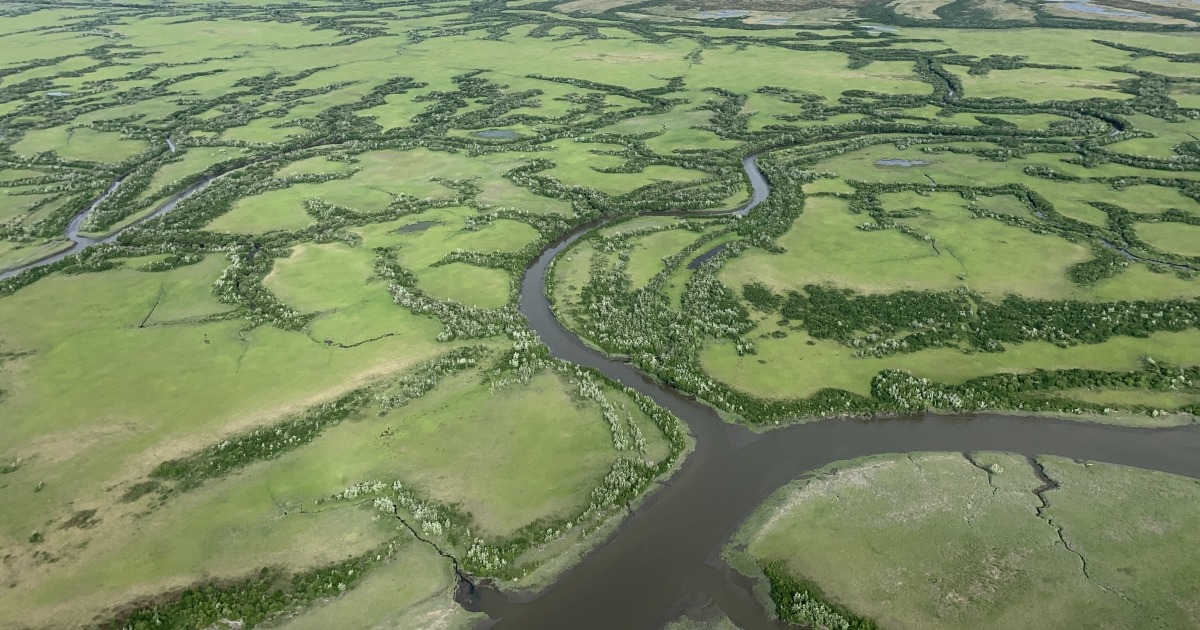
Yukon Delta is not a small city park. It is one of the biggest, wildest refuge landscapes in the country, tied to migratory birds, fish, subsistence use, wetlands, coastal systems, and communities that live much closer to the land than most Americans ever will. Decisions there deserve more than a rubber stamp and more than automatic outrage. They deserve facts, local input, and a clear look at impacts.
This is where practical conservation has to live in the real world. People need communications, safety, and infrastructure. Wildlife needs room, habitat, and managers willing to say no or set conditions when a project threatens the purpose of protected land. Both things can be true, and pretending otherwise is how bad decisions get made.
Sportsmen should stay involved in these quieter public-land processes. The big fights get attention, but the small permits and compatibility reviews shape the map piece by piece. If you care about refuges, access, wildlife, and rural communities, comment periods like this are where your voice actually enters the record.
Source & further reading
U.S. Fish and Wildlife ServiceRegulations and conditions change. Check current official guidance before you hunt, dive or travel.