Sometimes conservation sounds like the word nobody wants to hear: closed.
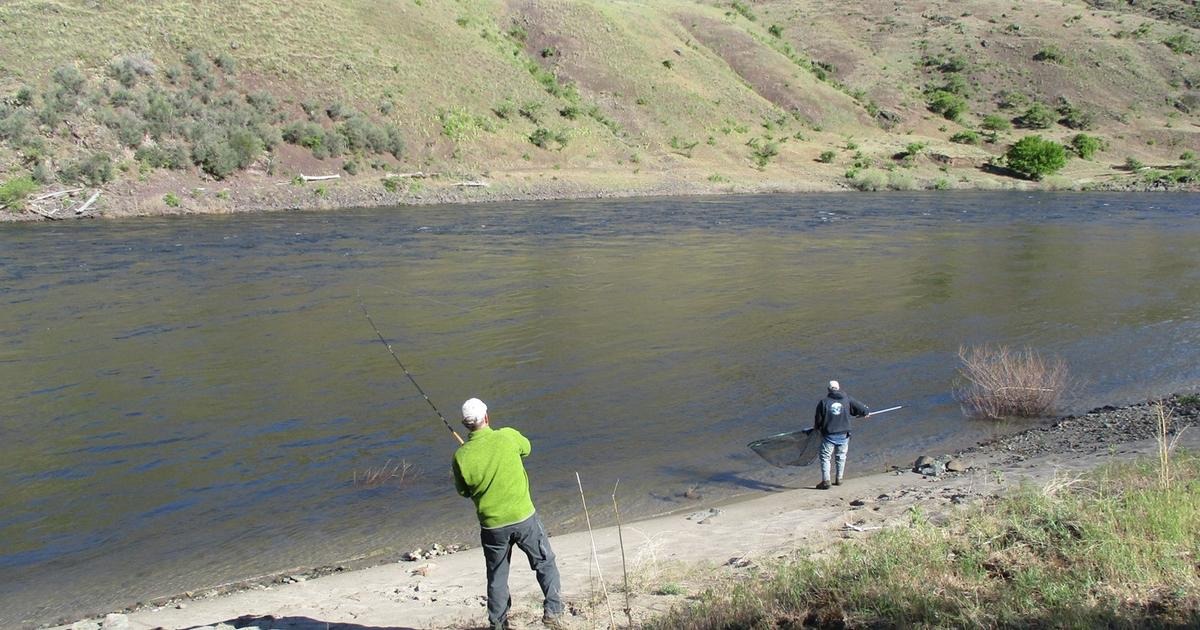
Idaho Fish and Game announced that a portion of the Lower Salmon River is closed to Chinook salmon fishing. That is not the update any fisherman wants, especially during a season people plan around. But salmon management has never been simple, and pretending every closure is automatically an attack on fishermen does not help the fish or the people who care about them.
Chinook are not bass in a farm pond. Runs change. Conditions change. Harvest numbers matter. River conditions matter. Managers are trying to balance opportunity with the need to keep enough fish moving through the system. That balance can be frustrating because it lands hardest on the people who bought licenses, watched flows, arranged time off, and showed up ready to fish legally.
Fishermen have every right to question management. They should ask whether the data is solid, whether tribal, commercial, and recreational impacts are being handled fairly, and whether habitat problems are being addressed instead of dumping every solution onto seasons and limits. But good fishermen also understand that a fishery has to survive if it is going to be harvested in the future.
This is where the conservation conversation needs more honesty. Closing a stretch of river may protect fish in the short term, but long-term recovery depends on more than shutting people out. It depends on habitat, passage, water, predation, ocean conditions, and a management system that treats sportsmen as partners instead of problems.
If you fish that river, check the current boundaries before you go. If you care about Chinook, stay involved after the closure notice too. The decisions that shape next season are already being made.
Source & further reading
Idaho Fish and GameRegulations and conditions change. Check current official guidance before you hunt, dive or travel.