
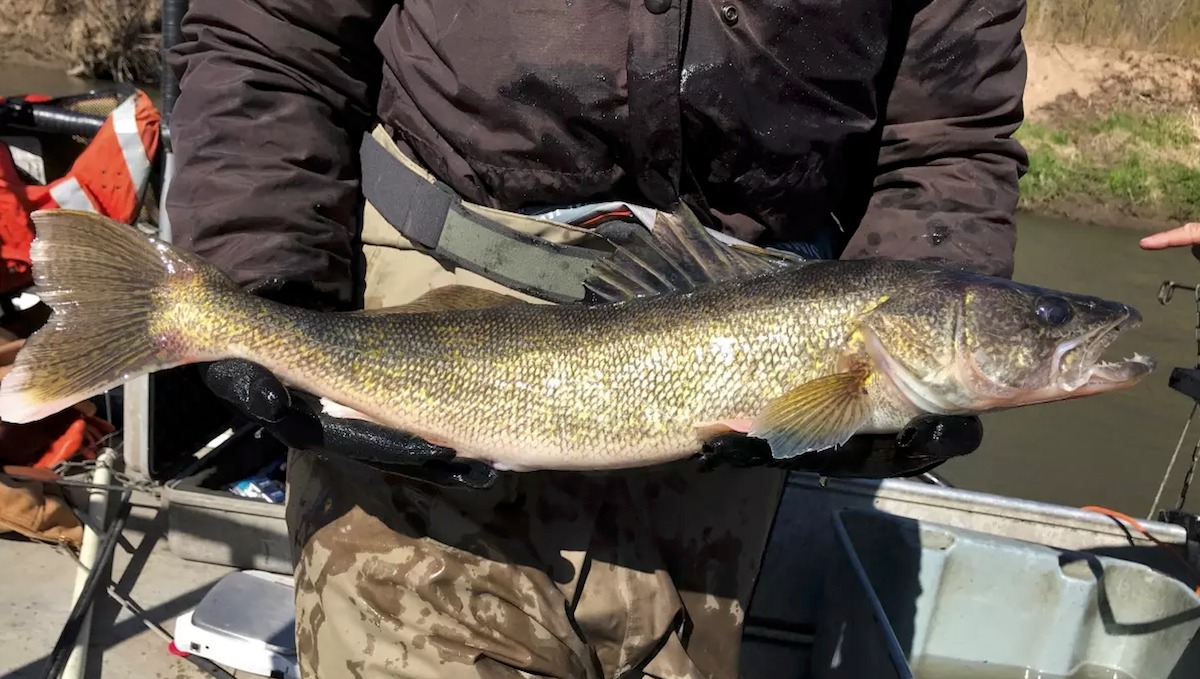
Michigan anglers need to pay attention to House Bills 5801 and 5802, because this is not a small paperwork change. It could change who gets to take Great Lakes sportfish and how those fish are valued.
The bills would loosen commercial fishing restrictions and could allow commercial harvest of species like walleye, lake trout, and even crappie. For decades, Michigan commercial operations have focused mostly on lake whitefish and yellow perch, but those fisheries have struggled. Now commercial interests are looking toward fish that recreational anglers, charter captains, bait shops, marinas, and lakeshore towns have spent years building around.
Walleye and lake trout are not just fillets on a balance sheet. They are public fish. They support family trips, charter businesses, tournaments, tackle shops, tourism, and a culture that puts license money back into conservation. Michigan’s recreational fishery is measured in billions of dollars. Commercial fishing is a tiny fraction of that by comparison.
The gear matters too. Gill nets do not sort fish the way a regulation book does. They kill by design, and non-target fish like pike, muskies, and other gamefish can end up dead with no catch-and-release option. Great Lakes anglers know the history here. Lake trout restoration took decades of money, restraint, stocking, sea lamprey control, and hard management after past overharvest and collapse.
That does not mean commercial fishermen are villains. It means public fish need to be managed for the highest public benefit and the long-term health of the resource. If a proposal risks sportfish populations, recreational access, and the economy built around legal angling, then sportsmen should say so before the vote is already done.
Michigan has world-class freshwater fishing because people fought for it, funded it, and managed it back from hard lessons. Turning more of that resource over to nets should not happen quietly, and it sure should not happen without anglers in the room.
Source & further reading
OutdoorHubRegulations and conditions change. Check current official guidance before you hunt, dive or travel.