
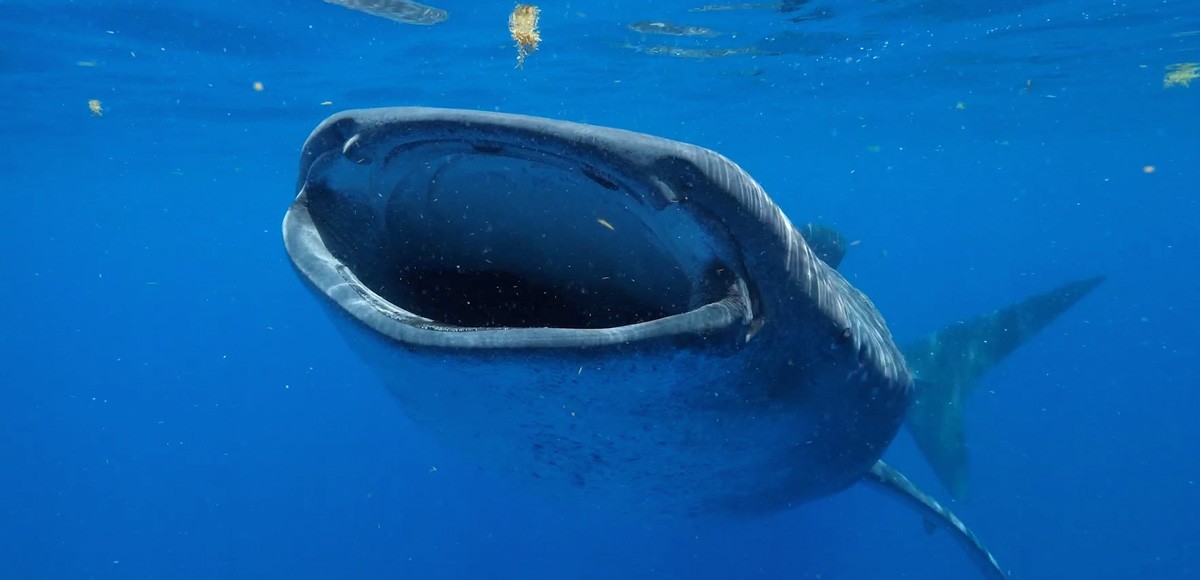
A whale shark repeatedly returning to waters off Mexico's Yucatan Peninsula is giving researchers a longer view of how one large fish uses the Gulf, Caribbean and Atlantic. A September 11 research announcement reports that the male shark, nicknamed Milo, received his fifth satellite tag in July 2026.
The first deployment came in 2017 and reported for only a couple of weeks. Researchers fitted additional fin-mounted tags in 2018, 2020, 2023 and 2026. The announcement reports more than 34,000 miles of tracked movement, including travel through the Gulf, around northern Caribbean islands, east of Bermuda and as far north as Massachusetts. This is a series of tag deployments, not a claim that the original transmitter worked continuously for a decade.
Seasonal whale shark gatherings off the Yucatan create opportunities to find the same animals again. Researchers identify individuals by their spot patterns and dorsal fin shape. The summer aggregation brings whale sharks into surface waters to feed on fish eggs and larvae, making it possible to replace tags and extend individual movement histories.
Scientists working with the Guy Harvey Research Institute at Nova Southeastern University and Mexican conservation organization Ch'ooj Ajauil AC describe a shark capable of both long offshore journeys and months spent within smaller regions. The team reports deploying 48 fin-mounted satellite tags on whale sharks in the region since 2017.
Repeated observations help distinguish an individual animal's changing movements from the short snapshot a single tag can provide. The September announcement documents tracking work; it does not establish a population increase or announce a change in fishing regulations. The research program makes animal tracks available through GHRItracking.org.
Source & further reading
InTheBiteRegulations and conditions change. Check current official guidance before you hunt, dive or travel.