
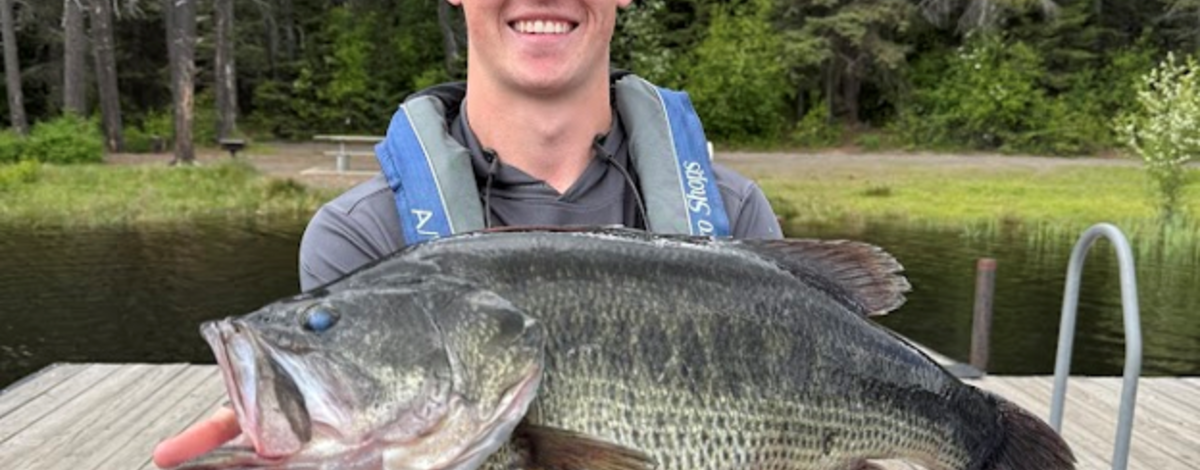
Idaho’s Moose Creek Reservoir is a good reminder that managing a fishery sometimes means making an unpopular mess now so the water fishes better later.
The reservoir near Bovill has had a long-running problem with invasive pondweed taking over and making life harder for both fish and anglers. In November 2024, Idaho Fish and Game used a sustained winter drawdown to knock the vegetation back. Some largemouth bass and panfish were salvaged and moved to Johnson Pond, while other fish remained in the reservoir.
This spring, fisheries staff went back to check the results. The weed-control work succeeded, and the agency says this is the third time winter drawdowns have worked against the nuisance vegetation. Past drawdowns provided about five years of relief, and managers expect to use the strategy on a 5- to 7-year rotation.
There was a short-term hit. Anglers reported low catch rates for bass, bluegill, and crappie after the drawdown, which managers expected. Trout stocking was increased to help cover lost opportunity. But one year later, the warmwater fishery is reported to be better than before, with more bass and bluegill and bigger fish showing up in survey work.
That is fisheries management in the real world. Sometimes the right move does not look pretty the first season. Drawdowns can frustrate anglers, expose mud, shift fish around, and make people wonder if the lake was hurt. Then the weeds back off, access improves, forage improves, and the fishery starts showing why the work was done.
Legal harvest and good fishing both depend on managers willing to use tools that fit the water. Stocking alone is not management. Complaining alone is not management. Habitat, vegetation control, surveys, salvage work, and follow-up monitoring are what keep family fishing waters from sliding into weeds and excuses.
Source & further reading
The Fishing WireRegulations and conditions change. Check current official guidance before you hunt, dive or travel.