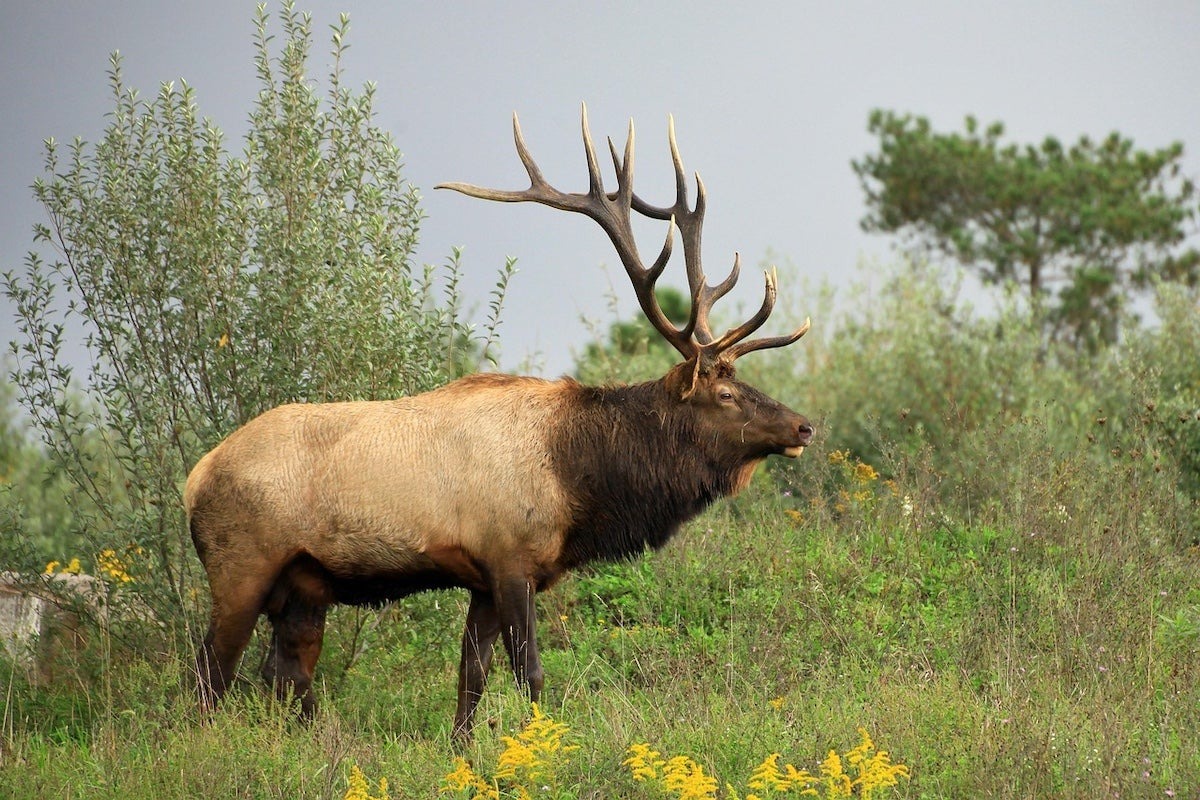
North Carolina is preparing for its first legal elk hunt in modern times. Gov. Josh Stein signed House Bill 747 on July 7, authorizing the North Carolina Wildlife Resources Commission to issue two elk permits for the 2027 season. That is not a free-for-all. It is two tags after roughly 25 years of restoration work in the western mountains.
Elk were wiped out of North Carolina around 1800 by unregulated hunting and habitat loss. The modern herd exists because wildlife restoration actually works when states, biologists, landowners, hunters, and conservation dollars stay committed long enough to see it through. A limited hunt is not a betrayal of that success. Done right, it is proof the population has reached a point where it can be managed like wildlife instead of treated like a museum display.
The first permits will be hard to get. One tag is expected to be sold through an auction run by a nonprofit tied to elk restoration, and one will be awarded through a statewide raffle. Raffle tickets are expected to cost $20 each, with hunters capped at 30 tickets for $500. Hunters will need a valid North Carolina hunting license or a lawful exemption. Most of the money goes into the state Wildlife Resources Fund for elk conservation and management.
The hunt is expected to open in October 2027 within designated elk zones on public game lands and private property with landowner permission. Any harvested elk must be reported to the commission. The law also requires annual reports starting in 2028 on money raised, how the system worked, and whether more tags should be issued later.
There will always be people who think a restored animal should never be hunted. That is emotion, not management. The North American model is built on regulated harvest, public accountability, habitat work, and putting money back into the resource. Two elk tags in North Carolina are a small step, but symbolically it is a big one: restoration should lead to responsible management, not permanent hands-off politics.
Source & further reading
OutdoorHubRegulations and conditions change. Check current official guidance before you hunt, dive or travel.