Conservation decisions get a lot better when the people closest to the land are part of them.
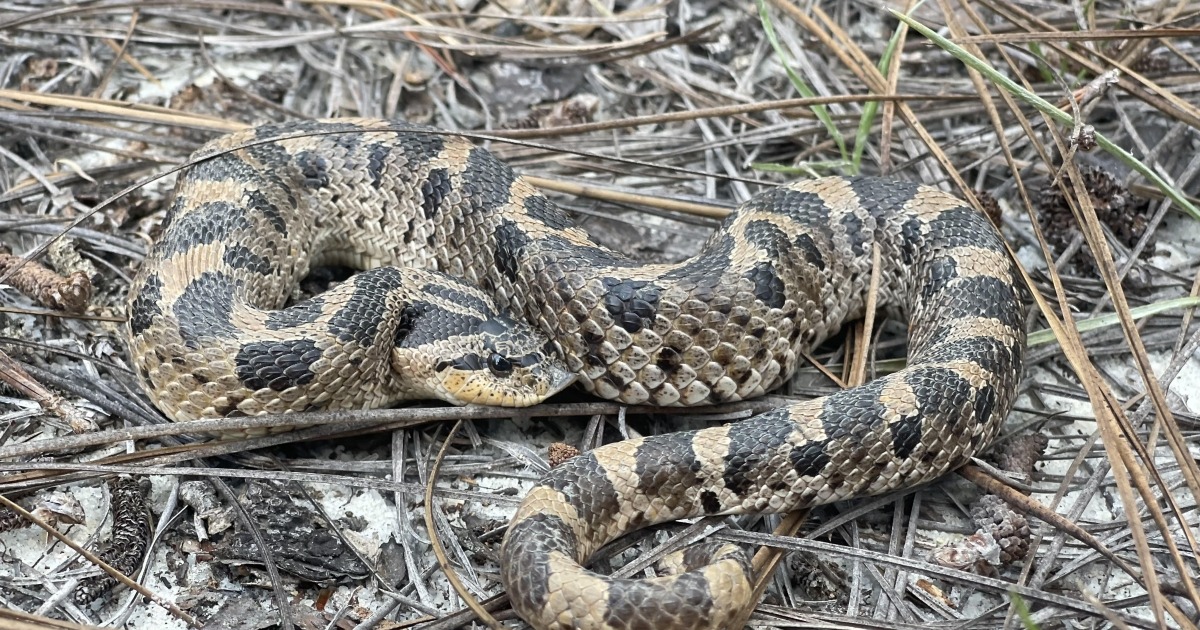
The U.S. Fish and Wildlife Service is holding a virtual public hearing and reopening public comment on a proposal to list the southern hognose snake as a threatened species under the Endangered Species Act. The agency describes the southern hognose as a small, burrowing snake native to coastal plains and sandhills in the Southeast. The proposal includes tailored protections under Section 4(d) of the ESA, and the Service said more information and comment instructions would be available through regulations.gov under docket FWS-R4-ES-2025-0210.
Most hunters will never build a season around a southern hognose snake. Most fishermen will never talk about one at the boat ramp. But the habitat questions behind a listing like this matter to anyone who cares about working lands, pine woods, sandy uplands, prescribed fire, timber management, public ground, private property, and the way federal rules touch real places.
The right answer is not automatic outrage and it is not blind approval. A species can be in trouble and still need a practical management plan. Landowners, hunters, foresters, biologists, state agencies, and local communities all have a stake in whether protections actually help the animal without creating rules that punish the people managing the habitat it needs.
That is especially true with species tied to specific habitat types. You do not recover wildlife by locking every gate and pretending human hands are always the problem. A lot of good habitat in this country exists because somebody burns, thins, plants, cuts, grazes, controls invasives, manages water, limits development, funds conservation, or keeps land from being turned into pavement. If those people are treated like enemies, conservation loses allies it cannot afford to lose.
At the same time, sportsmen should not ignore nongame species just because they are not hunted or fished. Healthy landscapes are bigger than tags and limits. The same sandhills, wetlands, forests, and open ground that hold small snakes also support quail, deer, turkeys, pollinators, songbirds, and the food chain underneath everything else. Habitat is habitat.
If you live, hunt, work, or own land in the range of a proposed listing, read the rule and make a serious comment. Not a rant. Not copy-and-paste noise. A real comment based on local knowledge, management experience, and what actually happens on the ground.
Conservation is not built on emotion alone. It takes science, access, public input, and people willing to stay involved when the subject is not flashy.
Source & further reading
U.S. Fish and Wildlife ServiceRegulations and conditions change. Check current official guidance before you hunt, dive or travel.