
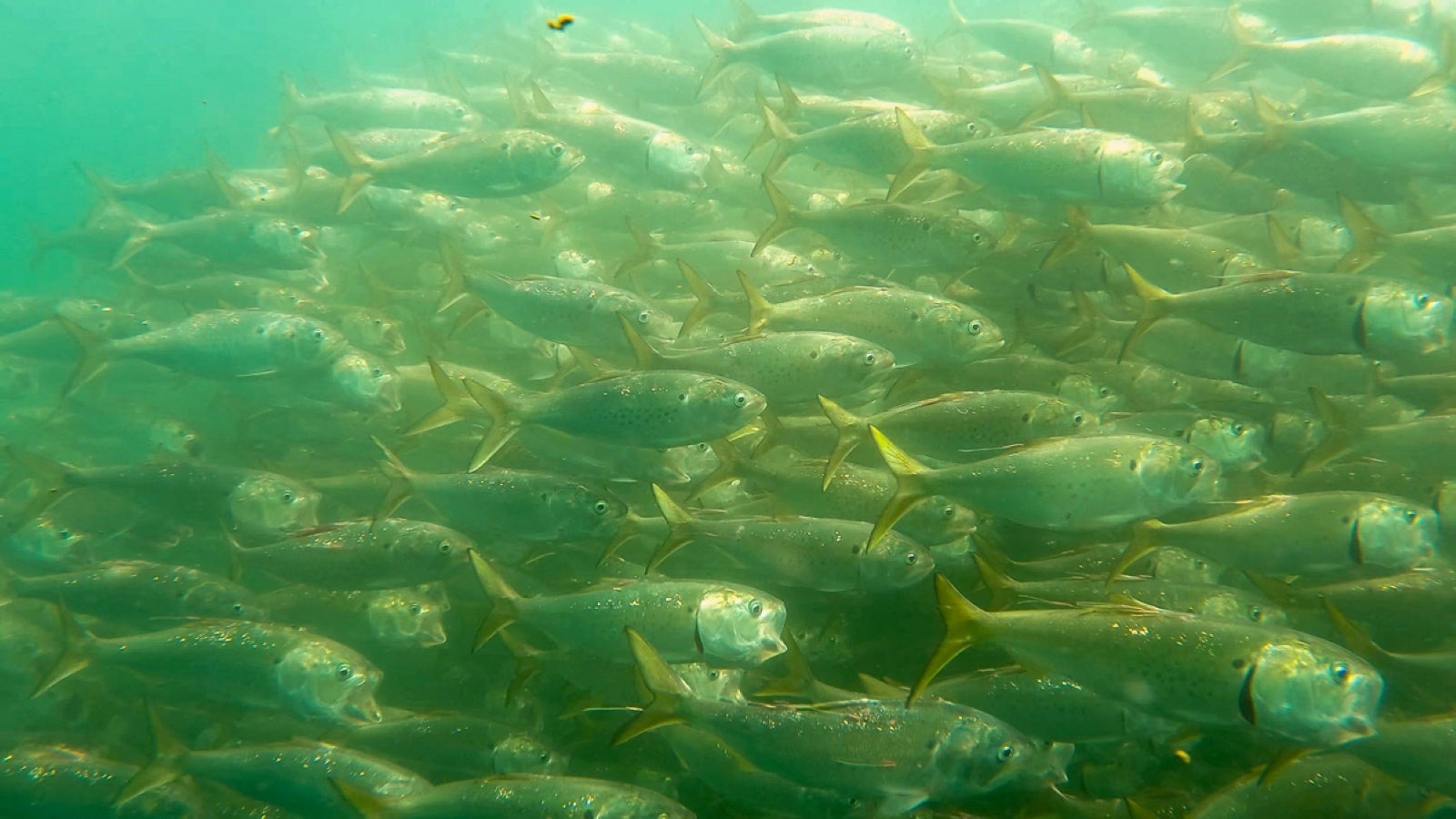
Atlantic menhaden are small fish with a big job, and the fight over who gets to harvest them is not some inside-baseball commercial issue. It hits striped bass, bluefish, tuna, whales, ospreys, coastal bait supply, and the health of the whole Mid-Atlantic food chain.
Theodore Roosevelt Conservation Partnership is backing a petition asking the Atlantic States Marine Fisheries Commission to establish a more balanced menhaden quota allocation when it considers reallocation this November. The target is the 2027-2028 seasons.
The problem is simple enough to understand. The coastwide menhaden quota has been cut, including a 20 percent reduction in total allowable catch for 2026, but roughly 75 percent of the quota is still allocated to Virginia. Much of that harvest is tied to one major industrial reduction fishery, while other states with active bait needs can be left short and dependent on transfers or expensive outside supply.
Menhaden are not just another line item on a spreadsheet. They are forage. They are bunker and pogies. They turn plankton into food for the predators anglers actually chase, and they help hold coastal ecosystems together. When local abundance drops in places like the Chesapeake Bay, the damage is not limited to one fleet or one state.
A fairer allocation does not mean nobody harvests menhaden. Legal bait fisheries matter. Commercial fishermen matter. So do predators, recreational fisheries, guides, tackle shops, and the public resource itself. The point is that quotas should follow current conditions and current needs, not stay locked to a system that no longer matches the water.
If managers want public trust, they need to manage menhaden like a public resource, not a private feedstock pile. Healthy predator fisheries start with healthy forage. That is not anti-commercial. It is pro-fishery, pro-coast, and pro-common sense.
Source & further reading
OutdoorHubRegulations and conditions change. Check current official guidance before you hunt, dive or travel.