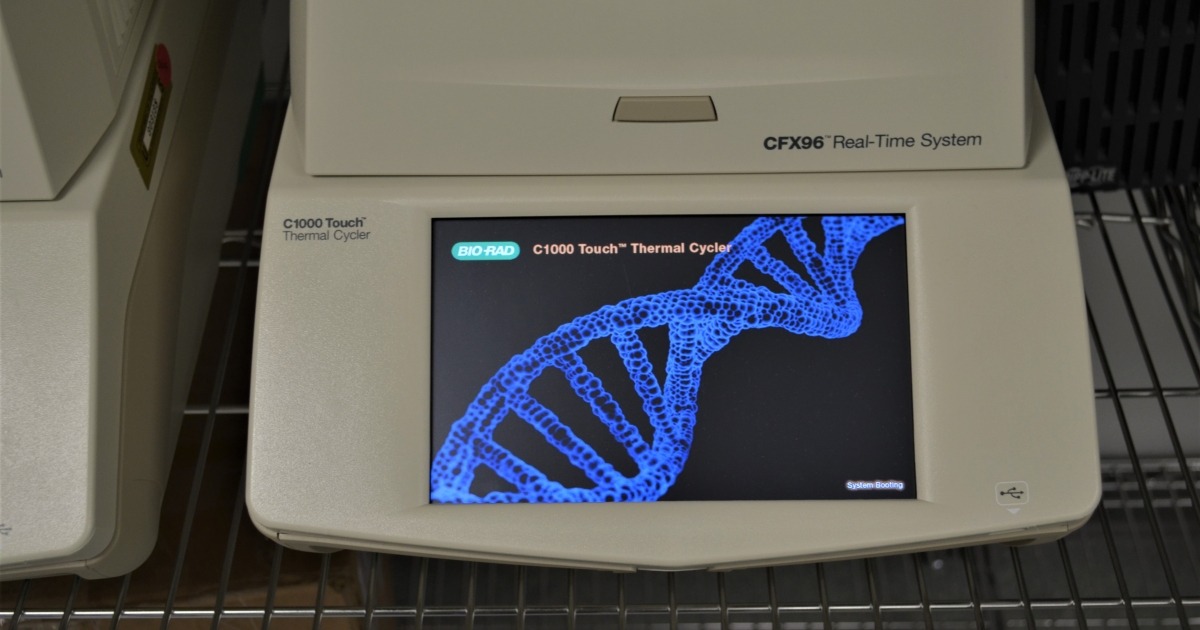
Wildlife conservation is not only fences, food plots, tag numbers, and habitat crews. Sometimes it is freezers, tissue samples, cell lines, and scientists trying to preserve genetic options before they are gone.
The Department of the Interior announced a memorandum of understanding between the U.S. Fish and Wildlife Service and Colossal Biosciences to advance biobanking and genomic science for imperiled species. The agreement is meant to preserve genetic diversity, expand scientific understanding of genomics in conservation, and look at emerging tools that could support recovery work.
Biobanking means collecting and cryopreserving living biological materials that hold genetic information. Done right, those samples can support future research, population management, recovery planning, and tools that may not even be fully developed yet. That matters when a species is down to a small, vulnerable population and every bit of genetic diversity counts.
This is not a replacement for habitat. It is not a magic wand. No lab can make up for destroyed wetlands, broken migration corridors, polluted water, or politics that refuses to manage predators, prey, and people honestly. But science can give managers another tool in the box, especially for species already backed into a corner.
The agreement says the partners will look at priority species, best practices for data management and accessibility, training, and ways to integrate genomic information into conservation planning. It also does not obligate federal spending by itself; future funding or services would need separate agreements.
Hunters and anglers should be clear-eyed about this. We should support useful science without pretending technology replaces boots-on-the-ground conservation. Save habitat, manage populations, keep harvest legal and sustainable, and use every honest tool available when a species needs help. That is how conservation stays practical instead of becoming a slogan.
Source & further reading
U.S. Fish and Wildlife ServiceRegulations and conditions change. Check current official guidance before you hunt, dive or travel.