The U.S. Fish and Wildlife Service has opened a short public comment window on drain tile setbacks in the Prairie Pothole Region, and waterfowl hunters ought to be paying attention. The deadline is August 7.
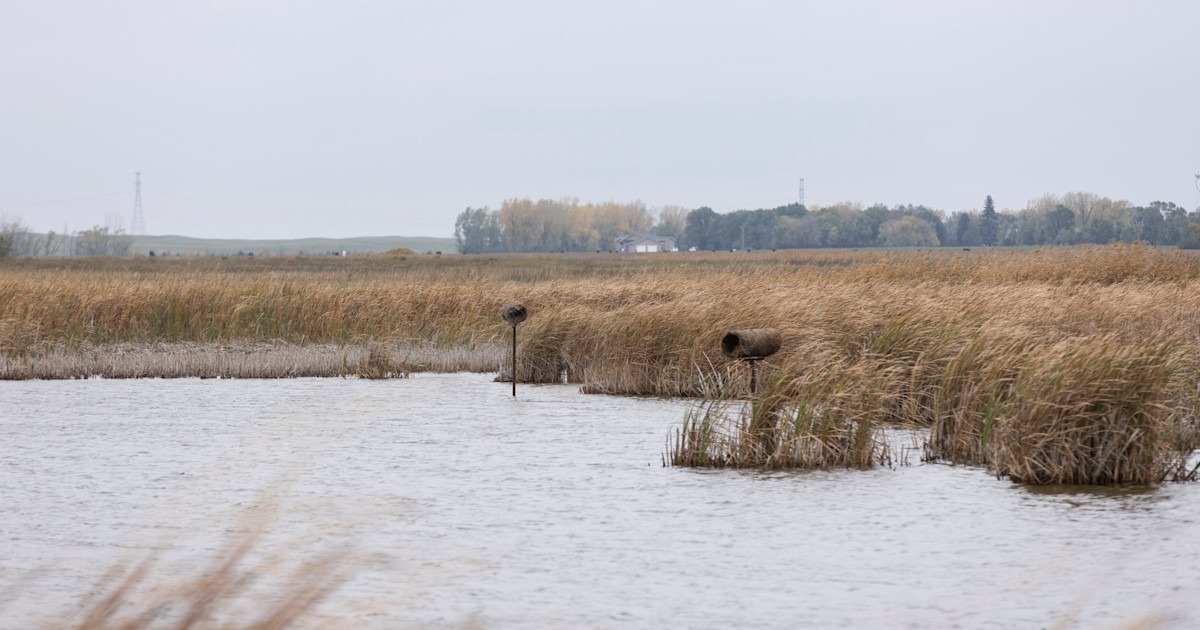
The Prairie Pothole Region is not called the Duck Factory for nothing. It stretches across North Dakota, South Dakota, Minnesota, Iowa, Montana, and north into Canada, producing critical breeding and nesting habitat for ducks and other wildlife. A lot of those wetlands sit on private land under small wetland easements paid for with conservation dollars. If you have bought a duck stamp, hunting license, firearm, ammo, or gear covered by Pittman-Robertson funding, you have helped pay for this kind of work.
Drain tile is common in agriculture. Underground pipe pulls excess water off fields so crops can be planted and protected. The problem is simple: put that tile too close to a protected wetland and it can pull the wet right out of it. A wetland easement does not mean much if the water is slowly drained from the edge.
In 2024, USFWS finalized a rule using science-based setback distances calculated by local offices with factors like soil, topography, tile depth, and tile diameter. Conservation groups praised that approach because it recognizes that wetlands are not all the same. Now the agency is asking for information on whether that rule worked and how setbacks should be calculated going forward, including whether fixed-distance Natural Resources Conservation Service guidelines should be used instead.
This is exactly the kind of quiet process where sportsmen lose ground if they only show up after the decision is made. Wetlands are duck production, flood storage, water quality, grassland wildlife, and public investment all rolled together. Farmers deserve clear rules and fair treatment, but protected wetlands need real protection. If you care about ducks, pheasants, clean water, and the conservation dollars hunters have put into the ground, this is worth a comment before August 7.
Source & further reading
MeatEaterRegulations and conditions change. Check current official guidance before you hunt, dive or travel.