
A sick fish story out of Vermont is a good reminder that fisheries management is not just stocking trout and arguing over limits. Sometimes it is disease work, lab work and figuring out what is going wrong before it spreads or gets misunderstood.
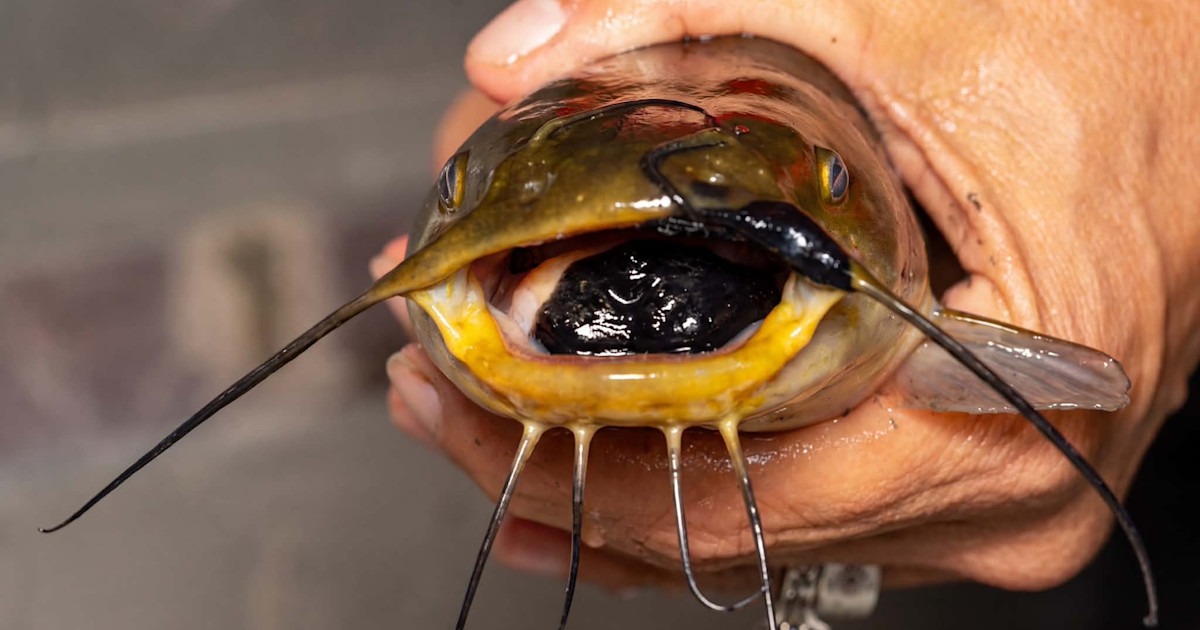
Anglers on Lake Memphremagog started reporting brown bullheads with black, tar-like marks back in 2011. Vermont Fish and Wildlife launched a study in 2013, and by 2014 nearly one in three brown bullheads in the lake showed black lesions. Researchers later identified the problem as a contagious skin cancer.
That is rare territory. Vermont Fish and Wildlife fish health biologist Matt Bodnar said the only other known contagious cancers in the animal kingdom are found in dogs, Tasmanian devils and one in bivalves, and this appears to be the first contagious melanoma documented. University of Vermont researcher Dr. Julie Dragon said the cancer cells are acting more like a parasite, with the root cause still uncertain.
The best news for anglers is that researchers have found it only in brown bullheads so far. It has not shown up in bass, salmon or other less-related gamefish, and it is not considered transferable to humans. Still, the disease may spread among bullheads when they rub together during spawning.
This is why angler reports matter. Photos, odd catches and calls to biologists can turn into real science. If something looks wrong in a fishery, do not just shrug and toss it back without a thought. Document it, report it, and let the people responsible for the resource do their work.
Source & further reading
MeatEaterRegulations and conditions change. Check current official guidance before you hunt, dive or travel.