Wisconsin is keeping its 2026 deer harvest opportunities in place while monitoring an epizootic hemorrhagic disease outbreak in the southeastern part of the state. In its September 22 herd-health update, the Department of Natural Resources said the season would proceed under current regulations without reductions in harvest opportunities. The agency said the affected areas could still support antlerless harvest, based on deer numbers and harvest history.
That statewide management decision does not mean every property will look the same. DNR cautioned that localized areas may experience high mortality from EHD. It also distinguished the reports on its outbreak map from confirmed cases: county totals count reports received, not an estimate of all deer affected. Hunters should not read those figures as a verified death toll.
The same update flags a practical change for handling deer after harvest. A budget deficit will limit chronic wasting disease work, particularly carcass-disposal dumpsters. Dumpsters will remain available statewide, but at fewer locations than in previous years. Before hauling a carcass, check the DNR’s CWD Sample and Disposal Locations map and confirm acceptance policies with the landfill, transfer station or local waste provider. Proper disposal helps reduce the chance of introducing CWD to another area.
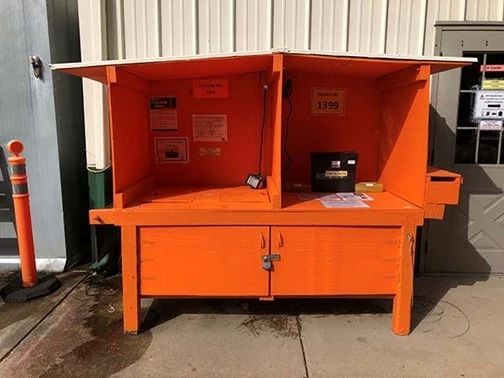
Hunters can also contribute samples for CWD surveillance. DNR is especially interested in samples from fall priority areas near recent detections. Options include round-the-clock self-service kiosks, cooperating processors and other businesses, at-home lymph-node extraction kits, and limited appointments with local wildlife staff. For a kiosk submission, the agency instructs hunters to leave five inches of neck attached to the head. Results are typically available within two weeks.
A positive CWD result also has a harvest-authorization provision worth knowing. DNR says a replacement will be issued to the hunter’s Go Wild account within two to four days of notification. An antlered authorization is replaced with one valid statewide for antlered deer; a positive result from an antlerless harvest registration produces an either-sex replacement for the same deer management unit and land type. These replacements are not weapon-specific and remain valid for the rest of the current season and the next year’s hunting seasons beginning in September 2027.
EHD monitoring and CWD testing are separate parts of this update, not interchangeable measures of herd health. For venison, DNR relays the recommendation from state and federal health authorities not to consume meat from deer that test positive for CWD. A deer can appear healthy while infected. The useful work for hunters is straightforward: know the regulations, arrange testing and disposal before the trip, and use the results rather than appearances to guide decisions about the meat.
Source & further reading
Wisconsin Department of Natural ResourcesRegulations and conditions change. Check current official guidance before you hunt, dive or travel.