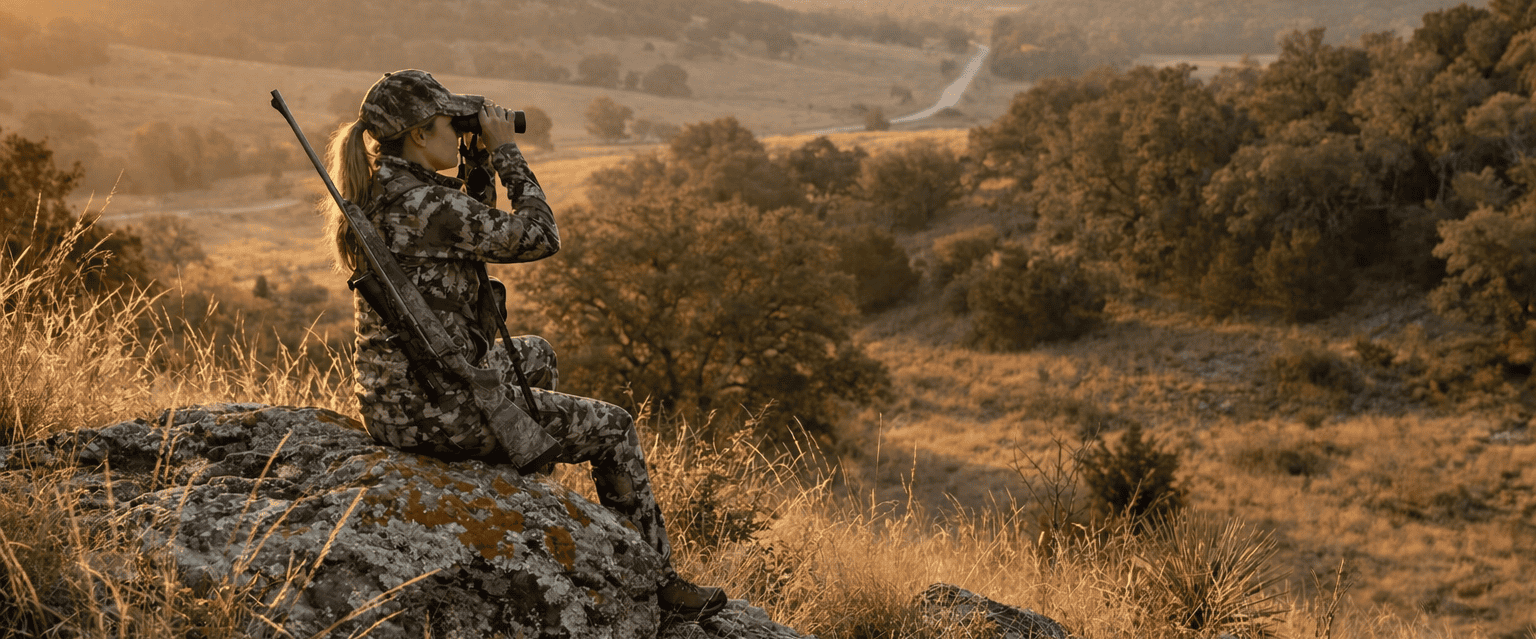
Every fall, millions of people quiet their lives, pack their gear, and step into the woods before the sun cuts through the horizon. For the modern observer, this tradition can look like a simple weekend hobby or an antiquated relic of the past. But for those who live it, deer hunting is a demanding discipline. It requires physical readiness, mental sharpness, and a serious moral commitment to the animals and the ecosystems we inhabit.
At KILLSHOT Life, a killshot means accountability. Practice, patience, and good shot selection give us the best chance of a quick, clean harvest. Carrying a tag means accepting responsibility for the animal, the land, and what happens after the shot.
The Reality of Wildlife Management
To truly appreciate deer hunting, you must understand the mechanics of conservation. Wildlife management is a complex, continuous balance, and regulated hunting is one of its important tools. Development, habitat changes, and the loss of predators in some areas have changed the conditions in which deer live. Without regulated hunting, white-tailed and mule deer numbers can quickly swell past the carrying capacity of their habitats.
When a population outgrows its land, the results are devastating. Starvation and habitat damage become risks. Disease management, including Chronic Wasting Disease (CWD), adds another challenge, but CWD is not an inevitable result of overpopulation. State wildlife agencies use regulated hunting to help manage these populations, adjusting tags, bag limits, and seasons to keep herds healthy and balanced. By participating in the harvest, hunters can reduce the risks of overpopulation and help ensure that the forest or prairie can support the next generation of wildlife.
Hunters also help fund the wild places they enjoy. Through the Federal Aid in Wildlife Restoration Act (commonly known as the Pittman-Robertson Act), excise taxes on firearms, ammunition, and archery equipment go directly toward wildlife restoration, habitat acquisition, and conservation projects. When you purchase your licenses and gear, you are personally investing in the longevity of our public lands.
The Higher Standard of Ethical Harvest
An ethical hunter is not defined by the size of the antlers on the wall, but by the discipline displayed when no one is looking. True competence in deer hunting begins months before opening day. It lives in the hot summer miles logged to maintain physical conditioning, the hours spent practicing on the archery range, and the meticulous cleaning of a rifle barrel.
The ethical harvest standard
- Preparation: Physical readiness and regular marksmanship practice.
- Execution: Knowing your weapon's limits and waiting for a clean shot.
- Accountability: Tracking, recovering, and processing the animal fully.
- Stewardship: Respecting local game laws and leaving the land better.
Knowing your weapon and your personal limits is non-negotiable. An ethical harvest demands that you only squeeze the trigger or release the arrow when you have an optimal, clean shot. If the presentation is poor, the wind is erratic, or the distance is too great for your skill level, the disciplined choice is to pass.
Once the shot is made, the real work begins. Tracking and recovering the animal is a solemn duty. It requires focus and persistence, ensuring that nothing is wasted. Respecting the animal means taking personal responsibility for the meat from the moment it hits the ground until it reaches the table.
Honoring the Meal
There is a distinct shift in perspective that occurs when you stop outsourcing the death of your food. In modern society, meat arrives wrapped in plastic, stripped of its identity and the reality of its sacrifice. Deer hunting shatters that artificial disconnect.
Venison is nutritious wild protein that hunters can bring home without industrial livestock production. Wild meat is not automatically certified organic or free of contaminants; follow local game-health and handling guidance. When you provide a meal for your family that you harvested yourself, you understand exactly what it cost. You remember the cold morning, the hours of stillness, the precision of the shot, and the heavy pack out of the woods. That connection gives you good reason to be grateful for the animal. It encourages us to avoid waste and turns every meal into a reminder of our relationship with the natural world.
Built for the Field and Beyond
The demands of the field do not tolerate shortcuts. Success in the woods is built on the daily habits you cultivate when the season is months away. Whether you are climbing into a tree stand on a freezing November morning or packing a quartered deer across miles of rugged public land, your physical readiness and gear dictate your effectiveness.
At KILLSHOT Life, our apparel and lifestyle gear reflect the hunting life and the responsibility that comes with it. Choose gear for the conditions you face, and check individual product specifications rather than assuming every garment offers the same protection or performance.
Hunting is not a right to be abused; it is a heritage to be earned through continuous effort, discipline, and unwavering ethics. The next time you step into the woods, remember the responsibility you carry. Make the preparation count, respect the law, honor the wildlife, and make a shot you can stand behind.
More perspectives →