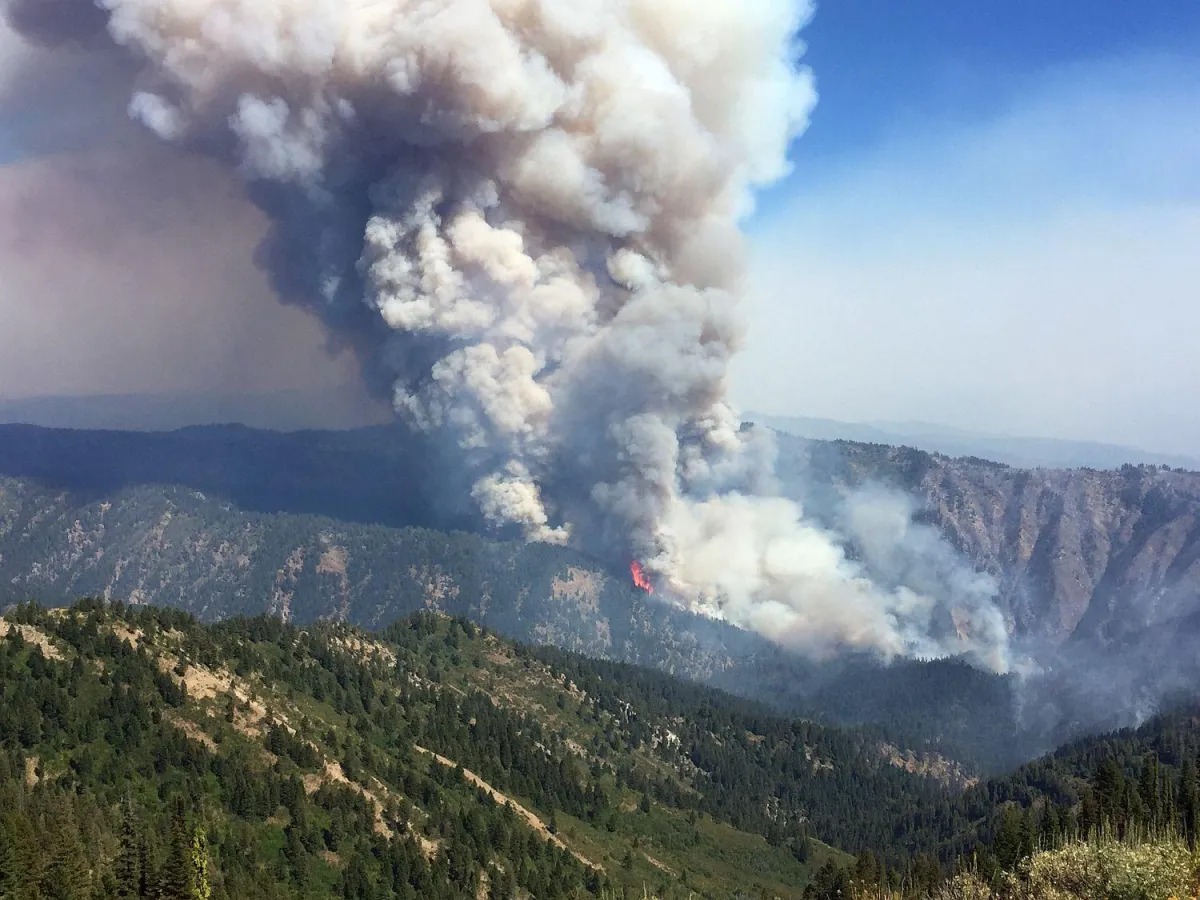
Wildfire is not just a summer headline. It is a habitat issue, an access issue, and a wildlife issue.
Outdoor Life reported that the United States is already having its worst wildfire year in a decade. According to the National Interagency Fire Center numbers cited in the report, about 2.4 million acres had burned by the end of May, almost double the 10-year average for this point in the season. More than 30,000 wildfires had already been reported, and much of the West is looking at above-normal significant fire potential going into June.
Anybody who hunts or fishes the West knows fire is complicated. Fire belongs on a lot of landscapes. In the right conditions, it can reset old growth, open country, improve forage, cycle nutrients, and create better habitat over time. A blackened hillside is not automatically a dead hillside forever. Sometimes it is the beginning of the next good elk basin, deer edge, berry patch, or grouse cover.
But that is not the same thing as pretending every fire is good. Extreme fire under drought, heavy fuels, high wind, and bad timing can wipe out winter range, close access, burn cabins and trailheads, hammer watersheds, choke rivers with ash and sediment, and leave wildlife with nowhere easy to go. When fire gets too big, too hot, and too frequent, habitat recovery can turn into a long fight instead of a natural cycle.
That is where the public conversation usually falls apart. Some people act like every acre should be locked up and left untouched. Others act like management means cutting roads everywhere and treating the forest like a woodpile. Neither one matches reality. Serious land management includes prescribed fire, timber work where it makes sense, grazing where it helps reduce fuel, road decisions that balance access with erosion, and enough field staff to actually get work done before smoke is already in the air.
Hunters and fishermen have a direct stake in this. We are the ones who lose seasons when access roads close. We are the ones who see streams blown out after a burn. We are the ones who watch deer and elk shift when winter range gets hammered. We are also the ones who know that doing nothing can be a decision with consequences.
Fire will always be part of wild country. The question is whether we manage forests, grasslands, and watersheds honestly before fire season, or just argue after the damage is done.
If you hunt or fish public land, pay attention to wildfire policy. Habitat work, access, staffing, fuel reduction, and drought planning are not abstract issues. They decide what the country looks like when opening day finally gets here.
Source & further reading
Outdoor LifeRegulations and conditions change. Check current official guidance before you hunt, dive or travel.