
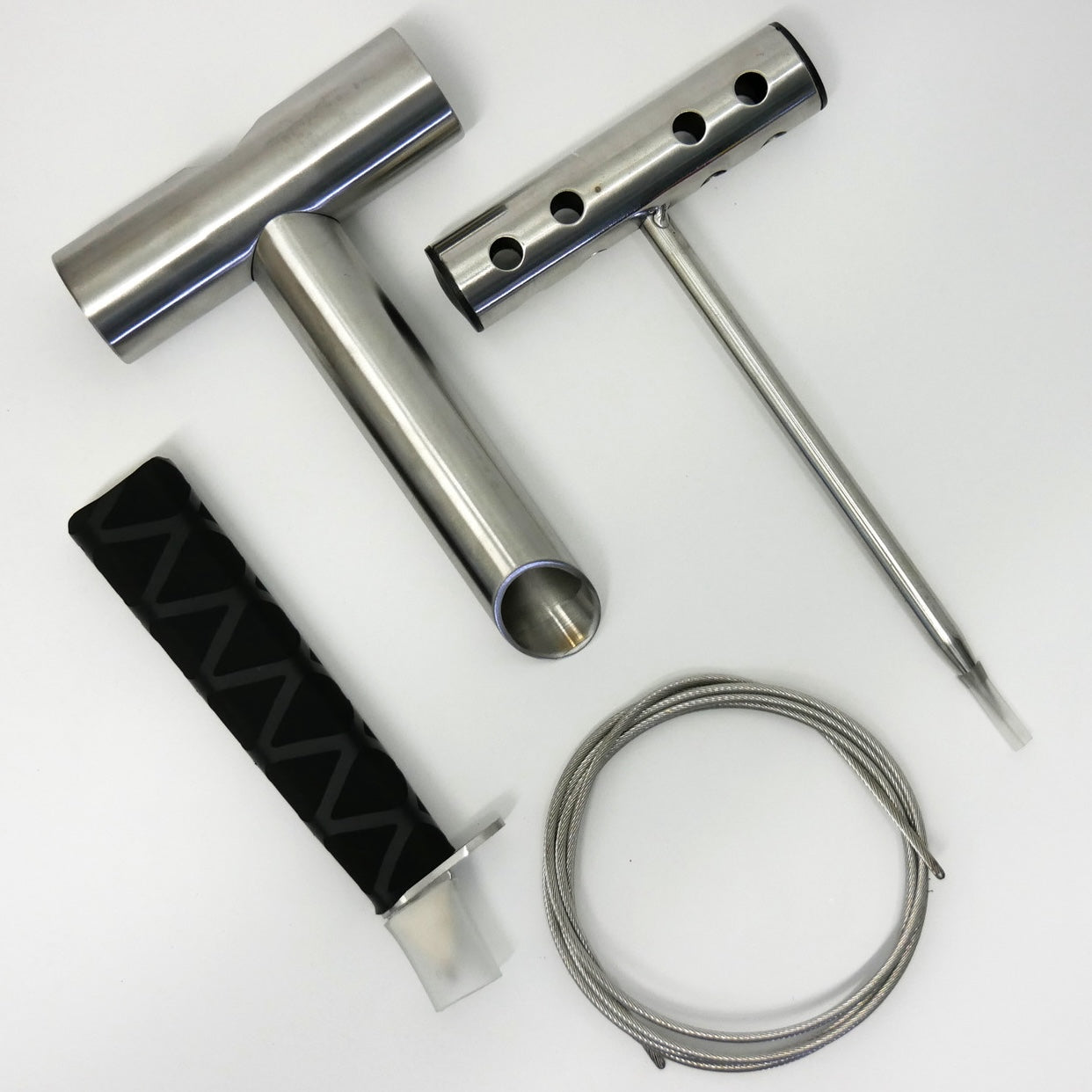
Ikejime is a Japanese fish-dispatch method used to reduce suffering and preserve eating quality. For a fisherman bringing home food, both goals matter. Doing it well takes an understanding of the species in hand, not just a spike and a diagram remembered from the internet.
Understanding ikejime
The method uses accurate brain destruction to dispatch the fish quickly. Some workflows also include passing a wire through the spinal canal to disrupt the spinal cord. That step can delay changes associated with rigor mortis; it doesn't prevent rigor forever.
Brain location and the route used to access the spinal canal vary by species. Learn those details from a qualified instructor or a reliable species-specific guide before attempting the method on a live fish.
What happens to the meat
Capture stress and muscle activity affect the fish's condition after death. Prompt dispatch, appropriate bleeding and rapid chilling can help preserve texture and flavor. The result also depends on how the fish was caught, how cleanly it was handled and how it was stored.
Ikejime is not a cure for poor handling. It doesn't stop spoilage or eliminate food-safety risks.
Benefits
- Flavor and texture: Reducing prolonged struggling and handling the fish properly can improve eating quality.
- Keeping quality: Good dispatch and chilling practices can help the fish keep well, but there is no universal shelf-life extension.
- Animal welfare: Correctly performed, the method aims for rapid loss of consciousness and less suffering than leaving a fish to suffocate.
The workflow
- Prepare. Have the appropriate spike, spinal wire if used, clean handling tools and an ice-water setup ready before landing the fish.
- Dispatch. Use the correct brain location and technique for that species. Don't assume a point slightly above or behind the eye works for every fish.
- Bleed. Follow a species-appropriate bleeding method after dispatch. Brain spiking and bleeding are separate steps.
- Disrupt the spinal cord, if using that method. Use the correct access point and equipment. Don't force a wire along a route you haven't learned.
- Chill promptly. Bring the fish's temperature down with an appropriate ice-water or ice setup and keep handling clean.
- Store cold. Keep it properly refrigerated or iced, close to 0°C where appropriate, and follow food-safety guidance for the intended storage and preparation.
Tips for beginners
Have the tools ready so you're not searching through a tackle bag with a live fish on deck. Keep the spike and other cutting tools in good condition, control them safely and handle the fish calmly.
Speed matters only when the technique is accurate. Get instruction, learn the anatomy of the fish you catch and treat proper chilling as part of the job. Respect for the animal carries through from the shot or hookset to the meal.
More perspectives →