
There’s nothing wrong with bringing home a limit. But if you need a full cooler to call the day a success, it’s worth asking who you’re trying to impress. Feeding your family and proving something to strangers on the internet aren’t the same job.
Anybody who hunts or fishes understands wanting something to show for the effort. Fuel isn’t cheap. Neither are boat repairs, ammunition, gear, or the time you carved out of an already busy week. When you finally get a decent weather window and the fish cooperate, you want to make it count. There’s nothing to apologize for in that.
But the money you spent getting there doesn’t obligate you to take another animal. Neither does the number printed in the regulations.
A legal limit tells you what you’re allowed to keep under those rules. It doesn’t tell you what’s already in your freezer, how much you’ll actually eat, or whether you have the time and equipment to take proper care of everything you bring home. Those decisions still belong to you.
Fill the freezer. Then use it.
KILLSHOT stands behind bringing home wild food. A cooler full of legally harvested fish can mean meals for a family, dinner with friends, and less meat bought at the store. A freezer stocked with venison can be the result of somebody planning ahead and doing the work. None of that becomes less respectable because someone else would have stopped sooner.
The responsibility is in what happens afterward.
Getting meat home is only part of the job. Keeping it in good condition, processing it properly, and actually cooking it matter just as much as the shot. If last season’s harvest keeps getting buried under this season’s because you’d rather collect it than eat it, the problem isn’t freezer space.
“Eat what you kill” ought to mean something when nobody’s watching you sort through the packages.
A legal opportunity can still be the wrong one
That judgment starts before anything goes in the cooler.
A fish can be legal while the shot is poor. A deer can be in season while the angle is wrong. A dive can offer another chance while you and your buddy are already worn out. Passing doesn’t require an audience or a speech about ethics. Sometimes it just means you’ve been doing this long enough to recognize a bad decision before you make it.
That’s especially important when somebody new is with you.
If you take a kid hunting or introduce a friend to spearfishing, they’re learning more than how to find an animal. They’re watching what gets you excited, what frustrates you, and what you’re willing to overlook when the day hasn’t gone your way.
You can tell them to respect wildlife all morning. What you do when there’s a questionable shot in front of you will teach them more.
The photo doesn’t get a vote
Take pictures of your catch. Be proud of a good hunt. There’s nothing wrong with sharing a day you worked hard for.
The trouble starts when the picture becomes the reason you need more.
A cooler doesn’t need another fish to make it look better. Your buddy’s successful trip last weekend doesn’t change what makes sense on yours. And nobody scrolling past your photo has to clean the catch, pack the meat, or live with a shot you shouldn’t have taken.
This isn’t an argument for making restraint into another competition. Bringing home less doesn’t automatically make you more ethical, any more than filling a limit makes you irresponsible. A family that uses its entire harvest doesn’t owe anybody an apology for it.
It’s an argument for being honest about why you’re still pulling the trigger or dropping another line.
Go get your food. Enjoy a productive day when you earn one. But when you’ve got what you came for, there’s nothing wrong with heading home while the fish are still biting.
The limit can be the plan. It doesn’t have to become an obligation.
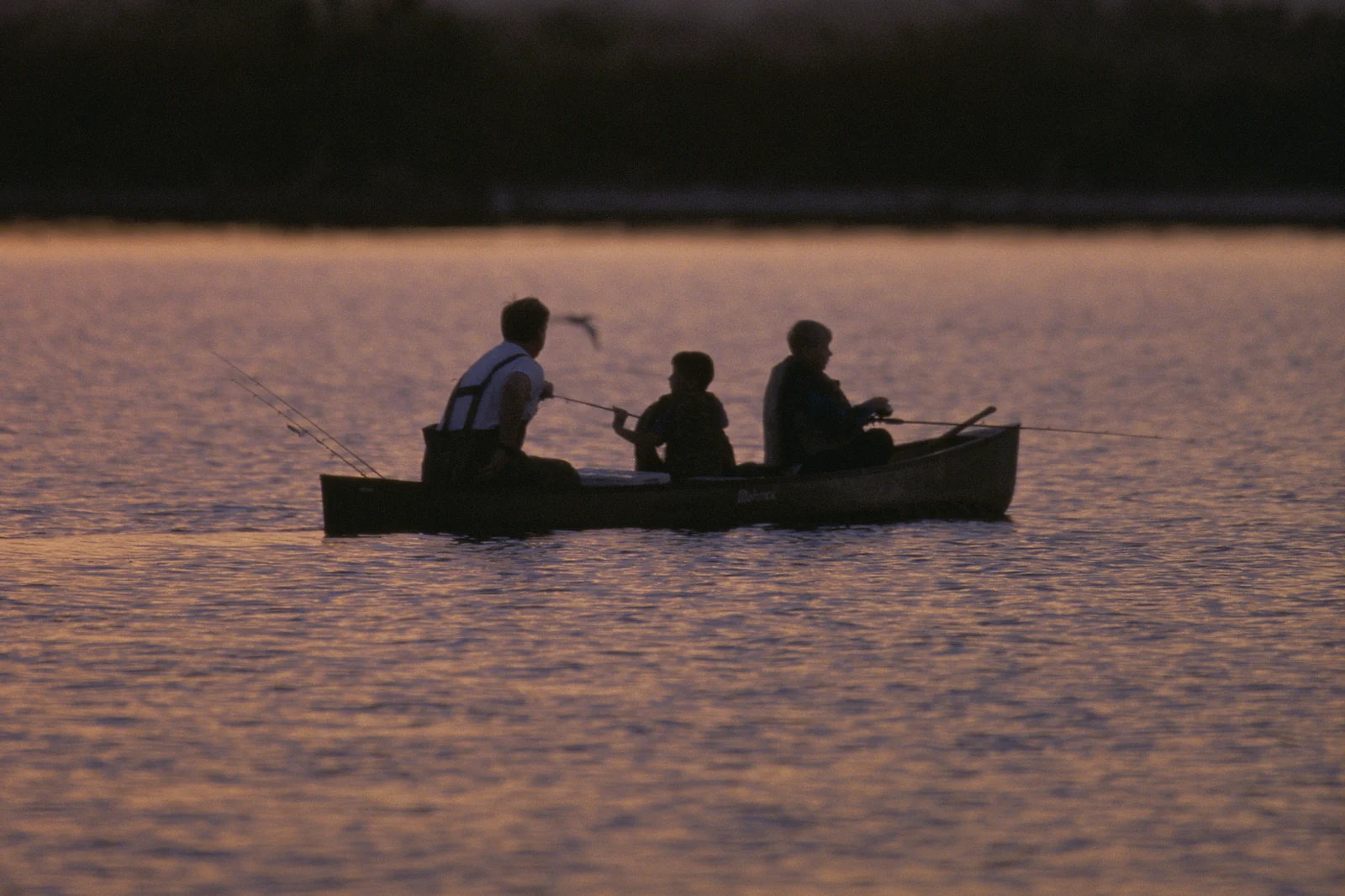
Photo: Fishing at Sunset, George Gentry / U.S. Fish and Wildlife Service, via the National Archives and DPLA. Public domain in the United States. Cropped for display.
More perspectives →