
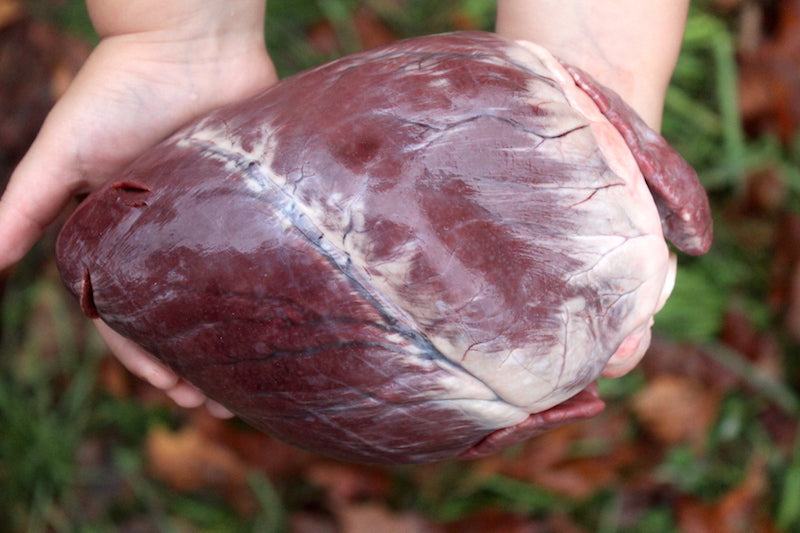
Your first tuna, your first deer - did you partake in the time honored tradition of eating (or taking a bite from) the heart? Some hunters do; others do not. It is not a test of whether someone belongs in hunting. Affiliate disclosure: KILLSHOT Life may earn a commission if you buy through these Amazon links.
Eating the heart of a first harvest can carry meaning for a hunter or family. The discussion here considers tradition, symbolism and responsibility without assuming one shared origin or meaning across cultures. Browse hunting equipment ideas.
A Ritual Rooted in Tradition
Native American, Māori and African cultures should not be treated as interchangeable when discussing first-heart rituals. Discuss a named tradition with its own evidence and context rather than borrowing a generalized origin story.
Symbolism and Beliefs
The act of consuming the heart is laden with symbolism and beliefs that vary among cultures. One prevailing interpretation is the belief that the heart, as the central organ of an animal, holds the essence of its spirit and life force. By ingesting the heart, it is thought that the hunter assimilates the animal's strength, courage, and vitality, forging a spiritual connection with the species and expressing gratitude for the sacrifice made. In some cultures, the ritual serves as a rite of passage or initiation into adulthood. Young hunters are often required to partake in this practice to demonstrate their readiness and establish a bond with nature. The act also serves as a reminder of the interconnectedness between humans and the natural world, emphasizing the responsibility of hunters to respect and sustainably manage the environment.
Ethical Considerations
While the consumption of the heart of the first prey may be steeped in cultural significance, it is essential to consider the ethical implications surrounding hunting and animal welfare. In modern times, as we become more conscious of sustainable practices and animal rights, it is crucial to ensure that hunting practices are conducted responsibly and with utmost respect for the species being hunted. When examining cultural rituals, it is essential to acknowledge the broader context and understand that certain traditions may no longer align with contemporary ethical standards. Encouraging dialogue and promoting sustainable hunting practices can help strike a balance between cultural preservation and ethical considerations.
A post shared by KILLSHOT Life (@killshotlife)
Eating a heart can mark a first harvest or express gratitude, but its meaning depends on the people involved. Respect for tradition does not require participation, and the more important responsibility is a legal, humane hunt and good use of the animal. A ceremony is not a food-safety method. Do not treat a raw-heart bite as necessary to honor a harvest; prepare the meat safely and respect anyone who chooses not to participate. For the processing work, the Mossy Oak 8-piece field-dressing kit is one option from our hunting list. Use tools you know how to handle safely; buying a kit does not replace learning the work. KILLSHOT Life may earn a commission from this Amazon link.
Looking for hunting gear? Here's a starting point. Follow KILLSHOT Life for hunting, fishing and responsible harvest, or share your own hunts with the community. Click here to find KILLSHOT Life on Instagram. Click here to find KILLSHOT Life on Facebook. Click here to join our Facebook Group and share your hunts.
Cooking your harvest? Take a look at our Eat What You Kill chef apron.
More perspectives →As an Amazon Associate I earn from qualifying purchases.