
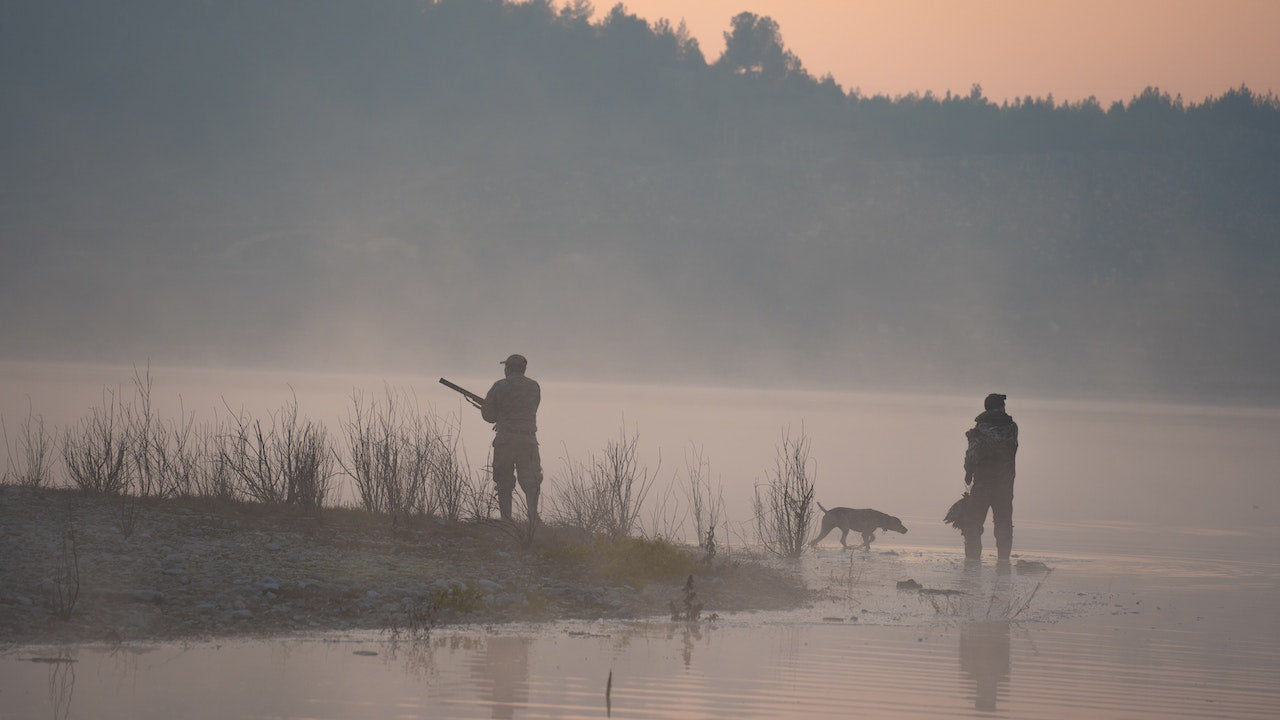
Hunters contribute to North American wildlife conservation through regulated harvest, funding, habitat work and advocacy. Those contributions matter to the species we hunt and to other wildlife sharing the same ground. Hunting is one management tool, not a guarantee that every population will thrive.
Regulated harvest
Wildlife populations are carefully managed through hunting regulations and licensing programs. By setting hunting limits, biologists can control the number of animals that are taken each year, helping to ensure their populations remain stable. This type of management is critical for species like deer, turkey, and elk that can overpopulate and cause damage to their habitats if not kept in check.
Conservation funding
In addition to population control, hunting provides important financial support for conservation efforts. Hunting license fees and taxes on hunting equipment help fund conservation programs and research that benefit wildlife populations. This funding supports habitat restoration and improvement projects, as well as research to better understand wildlife species and the threats they face.
Advocacy and habitat
Hunters are also important advocates for wildlife conservation. They often participate in conservation organizations, volunteering their time and resources to help protect and preserve habitats. This type of involvement helps to bring attention to the needs of wildlife species and the importance of conservation efforts. Moreover, hunting can help to preserve traditional wildlife habitats. By providing financial incentives for private land owners to maintain their lands as wildlife habitat, hunting can help ensure that these habitats are not lost to development or other activities. This is particularly important for species like the pronghorn antelope, which require large, uninterrupted habitats to thrive. Regulated harvest, conservation funding, volunteer work and incentives to retain habitat give hunters practical ways to support wildlife. Keeping those contributions effective takes sound management and continued participation. The case for hunting is stronger when it recognizes that work rather than claiming hunters alone ensure a species’ survival.
More perspectives →