
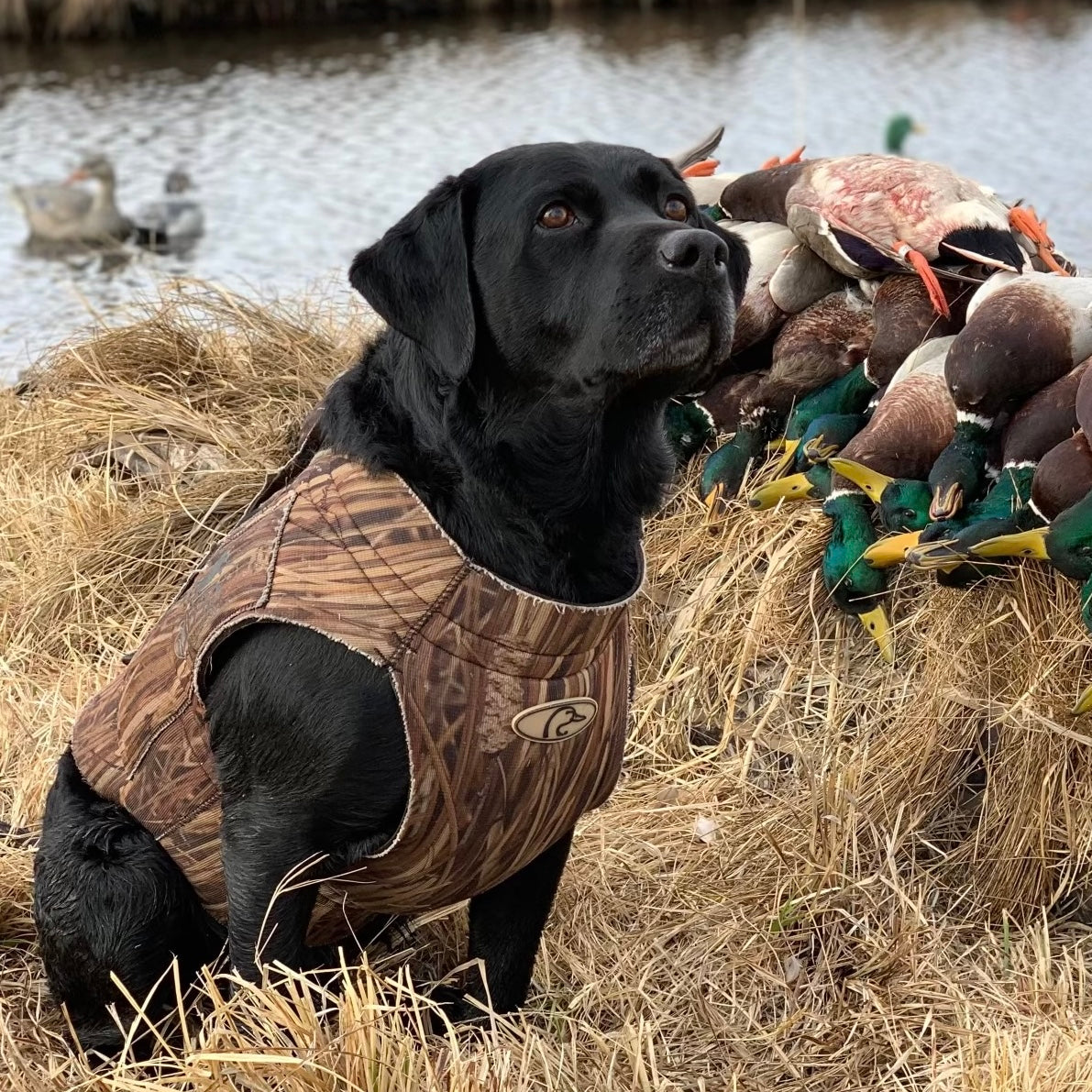
A good hunting dog does work a hunter can't do alone: following scent through cover, finding birds, making retrieves or holding a track long after we've lost it. Breeds have been developed for different jobs. Choose one around the game you hunt and the life you can give it between seasons.
1. Labrador Retriever
Work: Retrieving, especially waterfowl.
Labs are known for a good nose, willingness to work and strong retrieving instincts. Their intelligence, eagerness to please and versatility make them useful in different hunting settings. A friendly, adaptable Lab can also fit well into family life, though field ability still takes training.
2. German Shorthaired Pointer
Work: Pointing, retrieving and versatile upland hunting.
German Shorthaired Pointers bring energy, intelligence and agility to the field. Their stamina suits covering ground for upland birds across varied terrain. They can be highly trainable, but that drive needs an outlet beyond a few weekends each fall.
3. English Springer Spaniel
Work: Flushing and retrieving.
Springers use their noses to find game in dense cover and put birds into the air. Their compact size and agility help them work difficult ground. The breed is often described as energetic, gentle and tenacious: a combination that can make for an enthusiastic bird-hunting companion.
4. Beagle
Work: Scent trailing, particularly rabbits.
Beagles follow small game through brush and woods with persistence. Their compact build, endurance and determination suit rabbit hunting. Curious and often friendly, they can be good family dogs too, but their interest in a scent doesn't end when the hunt does.
5. Vizsla
Work: Pointing and retrieving.
The Vizsla originated in Hungary and is valued as a versatile hunting dog. Energy, affection and a close bond with people are common traits. These dogs can work different hunting environments and tend to need plenty of companionship as well as exercise.
6. Coonhound
Work: Scent trailing and treeing.
Black and Tan, Redbone and Bluetick coonhounds are among the breeds used to track and tree raccoons. Their distinctive voices let hunters follow the work after dark. Independence, endurance and tenacity are useful in the woods; their vocal nature also matters when deciding whether one fits your home.
Waterfowl, upland birds, rabbits and raccoons call for different skills. Breed gives you a starting point, not a finished hunting partner. Consider the individual dog, the training it needs, your terrain and the time you can put into the relationship.
More perspectives →