
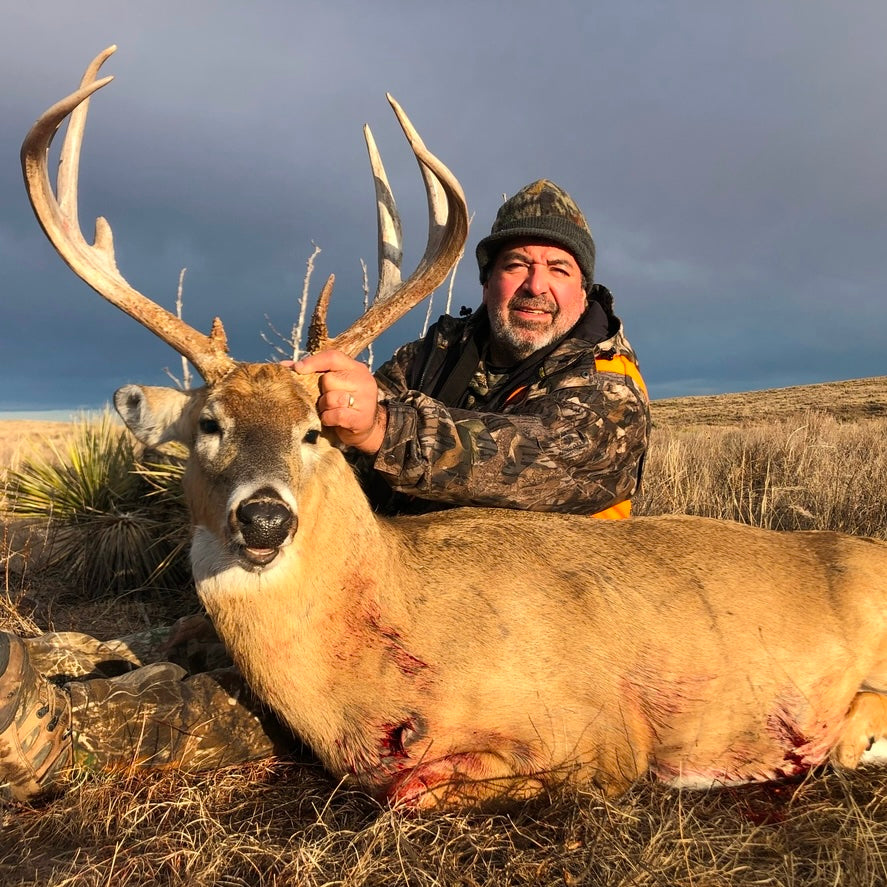
Wisconsin’s 2023 gun deer season ran November 18–26. For your hunt, check the current season calendar, legal shooting hours and safety requirements with the Wisconsin DNR. Deer Hunting Seasons in Wisconsin Wisconsin offers multiple deer hunting seasons throughout the year, each designed to manage the state's deer population effectively. The primary deer hunting seasons include:
Archery Season
Typically begins in September and extends into January, offering hunters an extended window to pursue deer with bows and crossbows.
Gun Deer Season
The iconic nine-day gun deer season usually commences in mid-November. This season sees a surge of hunters taking to the woods, and it is a cherished tradition for many in Wisconsin.
Muzzleloader Season
Following the gun deer season, muzzleloader enthusiasts have an additional opportunity to hunt deer using these traditional firearms.
Understanding Deer Hunting Hours
The source gave conflicting descriptions of deer hunting hours. Do not use either as an authoritative schedule. Consult Wisconsin DNR’s hunting-hour tables for the date, location and season you plan to hunt.
Time Variations
The starting and ending times of hunting hours vary throughout the season, aligning with changes in sunrise and sunset. Hunters should consult the Wisconsin Department of Natural Resources (DNR) or reliable sources to obtain the most accurate information for their specific hunting dates.
Legal Shooting Hours
Use the Wisconsin DNR’s current official shooting-hours table for your date and location. Do not assume that sunrise and sunset alone define the legal hours for every season.
Regulations for Specific Seasons
Check the regulations for the particular deer season and location. Do not assume archery hours are longer than gun-deer hours; verify the rules for your season and equipment.
Safety and Responsible Hunting Ensuring a safe and responsible hunting experience is paramount for both hunters and the broader community. Some key considerations include:
Firearm Safety
Adhering to strict firearm safety rules is essential. Hunters must treat every firearm as if it is loaded, keep the muzzle pointed in a safe direction, and be aware of their target and beyond.
Identification of Targets
Positive identification of targets is crucial to avoid accidental shootings of non-game species. Hunters should be certain of their target before taking a shot.
Adherence to Regulations
Hunters should familiarize themselves with the specific regulations for the season they are participating in, including any variations in hunting hours. Staying informed ensures compliance with state laws.
Knowing the season is only part of the job. Confirm the legal hours, identify the target and what lies beyond it, and pass on any shot you cannot make safely.
More perspectives →