
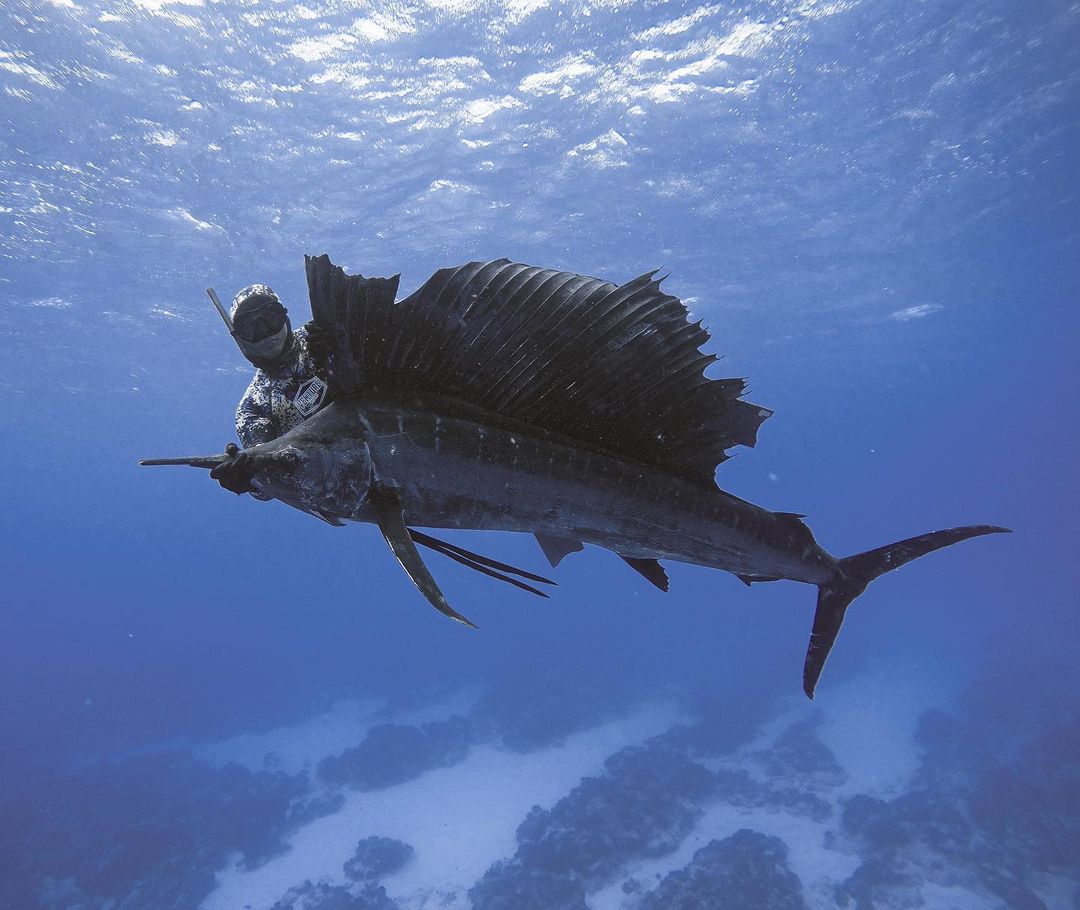
Photo credit: Nicolas Tahimanarii Billfish harvest draws criticism from anglers who favor catch and release. We support responsible spearfishing for food where the species, population and law allow it. That case should rest on selective harvest and actual fishing impacts, not on pretending a harvested fish survives or that every released fish does. Here are the issues worth comparing.
1. Release Mortality and Humane Harvest
The 86% survival figure associated with “Post-Release Mortality in Istiophorid Billfish” needs its study context before being generalized across species and fisheries. Released fish can die from capture injuries and stress, but a successful spear harvest deliberately kills the fish. A quick, humane kill is an animal-welfare goal, not a higher survival rate. Compare total deaths and population effects rather than conflating the two.
2. Selective Harvesting
Spearfishermen can see a fish before deciding to shoot, allowing them to assess species and size. That is an advantage, but selecting mature fish does not mean avoiding the breeding population. Responsible selection must follow the rules and account for the population being harvested. Catch-and-release impacts also need to be assessed for the particular species and method.
3. Annual Impact
Comparing billfish taken by spearfishermen, recreational tournaments and commercial fisheries requires annual catch and mortality data for each fishery. The relevant question is total harvest and mortality in each fishery, not whether one group appears smaller or more localized. Unlike large-scale recreational fishing tournaments that may catch numerous billfish in a single event, spearfishing tends to be a more localized and controlled activity. Spearfishermen often operate individually or in small groups, focusing on sustainable practices that respect the balance of marine ecosystems.
4. Low Bycatch and Habitat Impact
Spearfishing is known for its minimal bycatch, as it involves directly targeting specific fish rather than using nets, lines, or other indiscriminate methods that often ensnare unintended species. This reduces the risk of accidentally capturing vulnerable or endangered marine life, contributing to the overall preservation of the ocean's biodiversity. Furthermore, spearfishing has a relatively low impact on marine habitats. Spearfishermen dive to specific locations, making it easier to avoid sensitive ecosystems, reefs, and other critical habitats that could suffer damage from more intrusive fishing practices.
5. Fostering Conservation Ethos
Spearfishing encourages a deeper connection with the marine environment and promotes conservation values among practitioners. Spearfishermen often become staunch advocates for protecting the oceans and the species they target. By actively engaging with marine life and witnessing the beauty of the underwater world firsthand, spearfishermen develop a profound appreciation for the need to preserve these ecosystems for future generations. Responsible spearfishing for billfish can be defended where harvest is legal and the population supports it. Selectivity, low unintended catch and respect for habitat are useful parts of that argument. Claims of superior sustainability still need fishery-specific evidence. Hold every method, including catch and release, to an honest accounting of its impact.
More perspectives →