
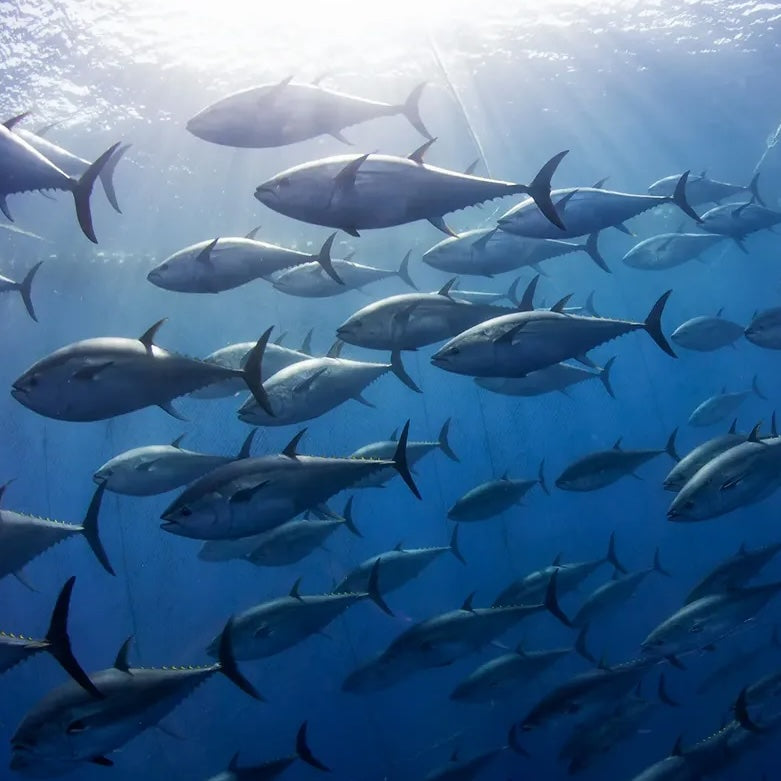
California bluefin fishing takes preparation, local knowledge and respect for a powerful fish. Timing depends on conditions and fish movements as well as the rules governing the water you're fishing. Explore seasonal patterns, environmental factors, management and spearfishing considerations, and check current regulations and local fishing reports before your trip. June 1 through November 1 is a broad planning window, with opportunities outside it, particularly farther south. Conditions and fish movements vary; these dates are not a legal season or a promise of fish. One of the top spots for California Bluefin tuna fishing is San Diego, often referred to as the "Tuna Capital of the World" due to its consistently outstanding tuna action. Fishing opportunities and legal limits depend on jurisdiction, season and trip type. Check the current rules for the exact waters, trip and method before fishing.
What is Bluefin Tuna?
Bluefin are powerful, torpedo-shaped tuna known for long migrations and their value to commercial and recreational fishermen. This California discussion concerns Pacific bluefin, not the Atlantic bluefin populations associated with Atlantic waters and Gulf of Mexico spawning.
Legal Regulations
Before embarking on a bluefin tuna fishing adventure, it's crucial to familiarize yourself with the current regulations set by the California Department of Fish and Wildlife (CDFW). Bluefin tuna are subject to strict size and catch limits to ensure the sustainability of the fishery. The legal season may vary from year to year, so it's essential to stay updated on the latest regulations to avoid any legal complications. Spring through fall, especially summer, is a fishing-pattern reference here, not a statement of a legal open season. Check current CDFW guidance and any other rules that apply to your trip.
Environmental Factors
Understanding the environmental factors that influence bluefin tuna migration and feeding patterns is key to maximizing your chances of a successful catch. Bluefin tuna are known for their extensive migrations, and their movements are often influenced by water temperature, currents, and the availability of prey.
Water Temperature: Bluefin tuna prefer warmer waters, and their presence is often associated with areas where the water temperature ranges between 60°F and 70°F. In California, these temperature conditions are commonly found during the summer months, making it an ideal time for bluefin tuna hunting. Currents and Upwelling: Bluefin tuna are attracted to areas with nutrient-rich water, often created by upwelling currents. Understanding the oceanographic conditions that lead to upwelling can help you identify productive fishing grounds. Prey Availability: Bluefin tuna feed on various prey species, including anchovies, squid, and other small fish. Monitoring the abundance of these prey species in your target area can provide valuable insights into the likelihood of encountering bluefin tuna.
Local Insights
Connect with local fishing communities, charter captains, and fellow anglers to gather firsthand insights into current conditions. Local knowledge can be invaluable in determining the best time and location for bluefin tuna hunting. Social media groups, forums, and fishing reports are excellent resources for staying informed and sharing experiences with the angling community.
The article’s 2024 El Niño forecast
The summer 2024 outlook anticipated a strong El Niño and unusually good San Diego fishing. The following expectations describe that dated forecast, not observed results or a forecast for your next trip.
How El Niño Impacts Tuna Fishing
Tuna thrive in warmer waters, and during El Niño events, they often migrate closer to shore. The forecast suggested San Diego anglers might find prime opportunities to target several tuna species, including yellowfin, bluefin, and albacore. The warmer waters also bring large schools of baitfish nearer to the coast, attracting predatory species like tuna, dorado (mahi-mahi), and yellowtail. For deep-sea fishing enthusiasts, an El Niño summer offers some of the most exciting conditions possible.
Expect a Variety of Fish Species
One of the most appealing aspects of an El Niño summer is the sheer variety of fish species that migrate closer to the coast. Aside from tuna, the forecast also anticipated other sportfishing favorites such as marlin, wahoo, and even shark. This makes for a thrilling and diverse fishing experience, as multiple species can be targeted on a single trip, offering a range of challenges for anglers of all skill levels. The warmer waters are also known to create excellent fishing conditions for species like calico bass, sand bass, and halibut, which become more active as the ocean heats up. Additionally, species that are usually found in deeper waters, such as rockfish and lingcod, may be more accessible. El Niño effectively turns the ocean around San Diego into a playground for anglers, with abundant opportunities to catch a wide variety of fish.
Benefits and Challenges of El Niño
While the warmer waters of El Niño bring abundant fishing opportunities, there are some challenges to consider. Elevated ocean temperatures can decrease oxygen levels in the water, potentially harming some fish species. The presence of baitfish alone does not establish that these effects will be offset. Despite these potential drawbacks, an El Niño summer typically results in phenomenal fishing conditions, with larger schools of fish moving closer to shore and a wider array of species to target. For both recreational and competitive anglers, the 2024 El Niño was forecast to be a remarkable year for fishing.
What the 2024 forecast expected
The 2024 outlook anticipated the following fishing opportunities. These were predictions, not verified results:
Tuna fishing was expected to improve, with species like yellowfin and bluefin thriving in the warmer waters. Look for these predators to move closer to the coast as they chase schools of baitfish.
Dorado and yellowtail were expected to be more plentiful, making for exciting deep-sea trips where you can expect a high level of action.
Variety in species was expected. Marlin, wahoo, and shark were expected to join your target list, offering thrilling big-game fishing experiences.
Inshore fishing for species like calico bass, sand bass, halibut, and rockfish was expected to improve, giving anglers plenty of options whether they prefer coastal or offshore fishing.
With such a wide range of species to target, an El Niño summer presents a unique opportunity for anglers to diversify their fishing experience and enjoy the excitement of landing multiple types of fish on a single outing.
How Are Pacific and Atlantic Bluefin Tuna Management Practices Different?
Management practices for Pacific Bluefin Tuna differ significantly from those for Atlantic Bluefin Tuna due to varying regulations, population dynamics, and geographic challenges. Comparing Pacific and Atlantic bluefin management requires population assessments and regulations from the same period. A 2020 assessment cannot establish present stock status or management effectiveness. California bag limits are one part of a fishery that crosses jurisdictions. One of the key challenges in managing Pacific bluefin tuna is their extensive migration patterns, which span across international waters from California to Japan. This makes coordinated conservation efforts more difficult, as each country or state may have its own rules for harvesting the species. The fragmented nature of these regulations often limits the overall effectiveness of conservation strategies. The Atlantic discussion cited the International Commission for the Conservation of Atlantic Tunas (ICCAT), quotas, size limits and catch enforcement. Comparing those measures with Pacific management requires equivalent evidence for the same period; this article does not provide it. Both discussions concern conservation, migratory fish and rules spanning jurisdictions. Evaluating management effectiveness requires comparable stock and harvest data, not a blanket ranking of the two oceans.
Tips for Spearfishing Bluefin Tuna
If you're choosing spearfishing for bluefin tuna versus trolling and other methods, you're in for an exhilarating and challenging experience, requiring skill, patience, and the right techniques. Here are some tips to improve your chances of success when targeting these powerful fish:
Know Their Behavior: Bluefin tuna are fast and highly migratory. They often travel in schools and can be found in both deep and shallow waters, depending on the season and location. Studying their patterns and knowing when they are most likely to be in your area is crucial.
Use the Right Gear: Match the speargun, breakaway rig, floatline and float system to the target fish with an experienced bluewater crew. A reel is not interchangeable with a properly matched bluewater float system for handling large bluefin. Understand the entire system before using it.
Be Physically Prepared: Bluefin can put a serious load on a rig after the shot. Build skills under supervision and stay within your limits rather than treating long dives or fast pursuit as the goal.
Chum the Water: Baitfish or other chum may draw tuna closer. Check legality and discuss its use and the response to approaching predators with an experienced crew before diving.
By using the right equipment, understanding bluefin behavior, and staying patient, you can increase your chances of successfully spearfishing these incredible fish.
Conclusion
Plan around current rules, local reports, bait and conditions rather than a calendar alone. Keep harvest responsible and use equipment and techniques appropriate to the fish and your experience. Follow KILLSHOT Life for hunting, fishing and responsible harvest, or share your own hunts with the community. Click here to find KILLSHOT Life on Instagram. Click here to find KILLSHOT Life on Facebook. Click here to join our Facebook Group and share your hunts.
More perspectives →