
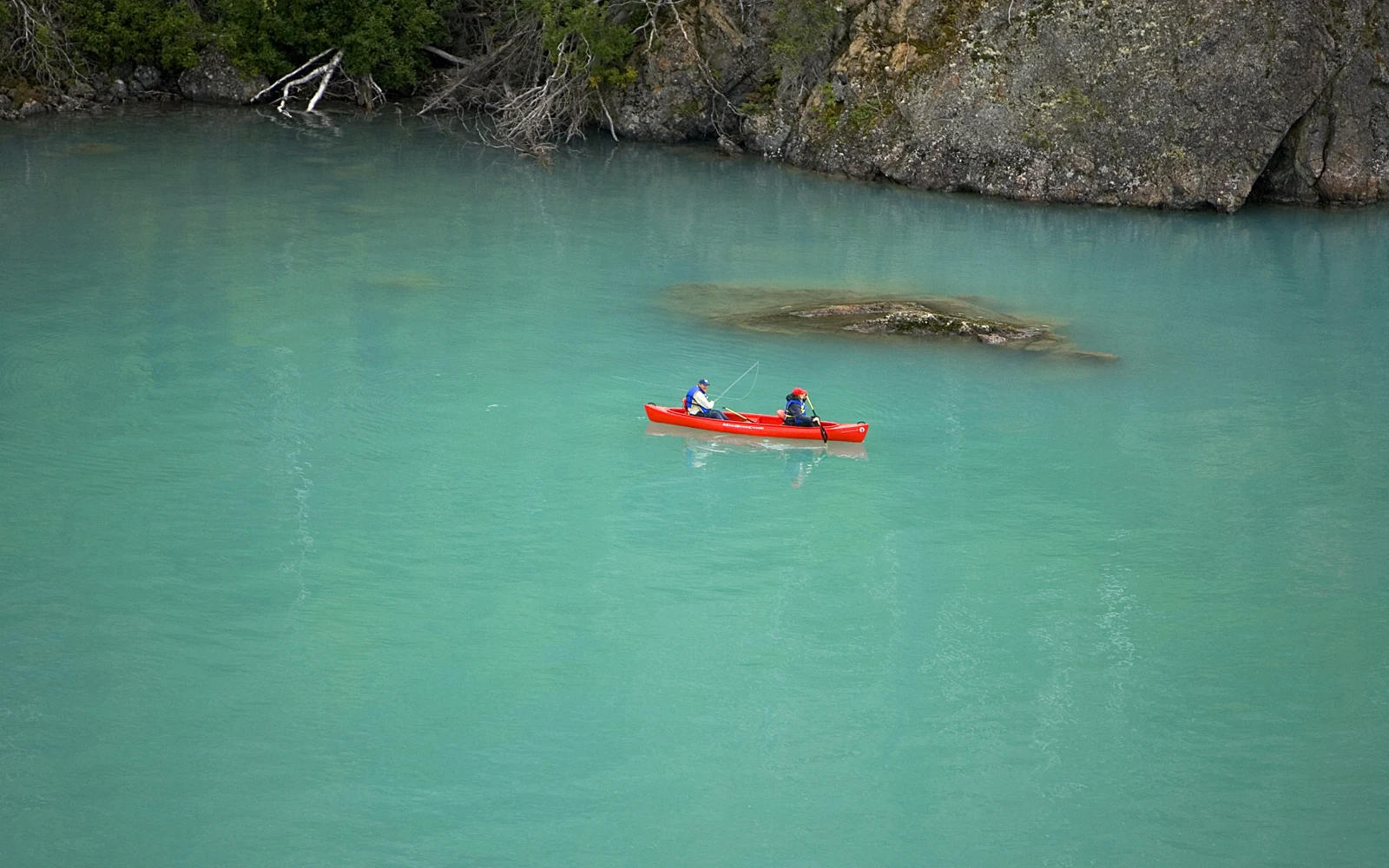
A life jacket under the seat is part of the boat's inventory. A life jacket you're wearing is part of your preparation for going over the side. For fishermen and waterfowl hunters working from small boats, that difference deserves to be settled before leaving shore.
The useful question isn't whether you're comfortable around water. It's whether the equipment will still help when the day stops going as planned. Choose flotation you can work in, fit it with the clothes you'll actually wear, and make putting it on part of launching rather than a decision saved for rough weather.
Plan for the water, not the air
A pleasant afternoon doesn't tell you what an unexpected swim will be like. The National Weather Service's cold-water guidance warns that warm air can create a false sense of security while the water remains dangerously cold. Check both the weather and water temperature before choosing the trip and clothing.
Cold shock isn't simply feeling chilled. Sudden immersion can cause involuntary gasping and rapid breathing, creating a drowning emergency even for a confident swimmer. Loss of muscular control can also interfere with staying afloat and getting out. That's why a plan built around finding and fastening a vest after falling in asks too much of the moment.
Flotation and protection from cold do different jobs. Wearing a life jacket doesn't make ordinary hunting clothes an immersion suit. NWS advises dressing for the water temperature and identifies purpose-built exposure protection among the options. Get advice appropriate to the boat, conditions and activity, and know the limits of the equipment you choose. If the trip requires protection or skills you don't have, change the trip.
Fit the person and the work
Start with the label, not the color or number of pockets. The U.S. Coast Guard's life-jacket guidance says a wearable device needs to be the right size, appropriate for the activity, in serviceable condition and Coast Guard approved to meet carriage requirements. Different designs have different in-water performance; don't assume every vest will turn an unconscious person face up.
Check the stated user weight and chest size. Fasten and adjust the device according to its instructions. The Coast Guard says a properly worn foam-filled device should fit snugly and shouldn't rise above the wearer's chin or ears. A loose adult vest isn't a substitute for a correctly sized child's device. Check the applicable wear rules for children and for the water you're using rather than assuming one federal summary answers every situation.
Then try the arrangement with your actual layers and boat seat. Can you sit comfortably and make a normal paddling motion without the vest riding up? Can you reach the controls and equipment you need without loosening it? Work those questions out ashore. Something that fits over a T-shirt may need a different adjustment with cold-weather layers, and a bulky pocket arrangement may not suit the way you fish.
For waterfowl hunting, consider the whole clothing and equipment combination before the outing. Keep any firearm out of a fitting exercise unless it is unloaded, ammunition is kept separate and all normal safe-handling precautions are followed. If the vest interferes with movement or safe handling, solve the equipment problem beforehand instead of deciding to remove flotation once you're afloat.
Choose a design you will maintain
A compact inflatable can be appealing, but it isn't a maintenance-free version of a foam vest. The Coast Guard says inflatables aren't appropriate for weak or non-swimmers and directs owners to follow the manufacturer's maintenance instructions. Inflation equipment needs to be serviceable, including the cylinder and status indicators.
Understand how your particular device inflates, its restrictions and the checks it requires. Don't assume another person's automatic model works the same way as yours, or that an old cylinder still installed means the device is ready. Keep the correct instructions with your equipment records and complete the checks before the trip.
Foam flotation needs attention too. Inspect the device, straps and closures, and follow its care instructions. The Coast Guard advises discarding waterlogged, faded or otherwise damaged foam devices. A spare that has spent years neglected in the boat isn't automatically useful just because it still looks like a life jacket.
If you're comparing foam vests for canoe or kayak fishing, the Onyx MoveVent Dynamic paddle vest in yellow, Medium-Large is one option to investigate. Onyx describes its mesh back panel as accommodating most canoe and kayak seats. Check the actual label, sizing and activity limitations, and try the fit with your seat and clothing. This adult paddle vest isn't a universal recommendation for offshore conditions, every body size or every hunting setup, and it doesn't provide cold-water exposure protection.
KILLSHOT Life may earn a commission from purchases through this Amazon link.
Make the rest of the boat ready too
Give everyone aboard the same preparation. Count people, assign correctly fitting devices and check them before launch. Put the jackets on while there's room and time to adjust them. Carrying the required equipment and choosing to wear it are related decisions, not identical ones; follow the local rules and don't use the minimum carriage requirement as a reason to leave protection off.
Flotation also belongs beside a workable communication and recovery plan. NWS recommends leaving a float plan with someone you trust, including the trip, boat, passengers, communication equipment and emergency contacts. Agree on when you're expected back and what that person should do if you fail to check in. Choose emergency communications suited to where you're going and learn to operate them before departure.
Think through getting back aboard with a qualified boating or paddling instructor, especially if the boat or conditions are unfamiliar. Don't turn a cold-water outing into an improvised recovery drill. Training in controlled conditions is different from assuming a partner can pull you over the side when both of you are surprised.
The goal is more good days fishing and hunting, not another expensive item that stays packed away. A serviceable, suitable jacket you already own may be the right answer. Check it, fit it, wear it and keep the trip within the capabilities of the crew and equipment. Then get on with the reason you launched.
Photo: Steve Hillebrand / USFWS, “Fishing in a canoe,” Kenai National Wildlife Refuge, August 2005. Public domain. Cropped and resized, then converted to WebP. Archival illustration; no endorsement of this article or the suggested product by the agency or pictured people is implied.
More perspectives →As an Amazon Associate I earn from qualifying purchases.