
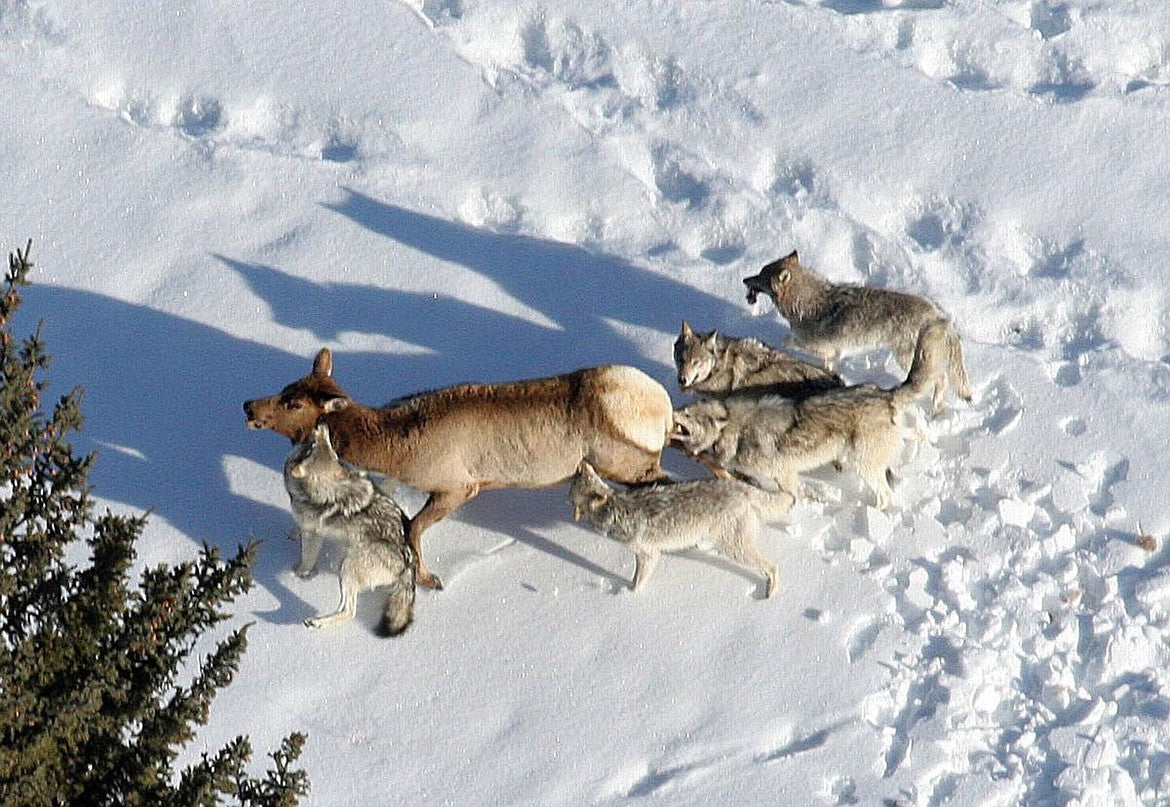
The reintroduction of wolves into Colorado has stirred significant controversy, especially among those who rely on the state’s thriving elk population. While environmental activists hail the return of wolves as a victory for conservation, many argue that the reality is far more concerning. Our concern is that reintroduction could undermine years of wildlife management and put elk herds, along with the hunting traditions tied to them, at risk.
Background: A Controversial Decision
In November 2020, despite strong opposition from rural communities and hunters, Colorado voters narrowly passed Proposition 114, which mandated the reintroduction of gray wolves by the end of 2023. The push for reintroduction was largely driven by urban voters far removed from the areas directly impacted. Advocates framed wolves as a solution to ecological imbalances caused by an “overabundant” elk population, ignoring the complex and successful management strategies already in place.
Colorado has the largest elk population in North America, supported by decades of management, hunting regulations, and conservation work. These elk herds are a critical resource for hunters, who contribute millions annually to local economies through license fees, gear purchases, and tourism. More importantly, hunting has long served as the primary tool for managing healthy elk populations, ensuring they do not exceed the carrying capacity of their habitats while maintaining robust herds for future generations.
The Wolf Problem: Predation and Elk Decline
Since the reintroduction, the impact on elk populations has been alarming. The concern is that wolf predation can push vulnerable local elk herds below management objectives. Unlike hunters who selectively target older or weaker individuals, wolves often kill indiscriminately, leaving behind injured animals or carcasses that go uneaten. This type of predation puts additional stress on already strained elk populations, leading to observable declines in herd numbers in wolf-heavy areas.
While proponents of wolf reintroduction claim that the predators will naturally curb elk overpopulation, the situation is far more complicated. Colorado’s elk populations are not uniformly overabundant, and in many regions, elk numbers were already well-balanced thanks to carefully regulated hunting seasons. Wolves, however, do not adhere to these management practices. They prey on young calves and pregnant cows, directly impacting elk recruitment and leading to lower birth rates. When combined with natural factors like harsh winters, this unchecked predation could drive local elk populations below sustainable levels.
Behavioral Changes: Elk on the Run
Another major consequence of the wolf reintroduction is its effect on elk behavior. Wolves force elk to constantly be on the move, making them more elusive and driving them into less accessible, densely forested areas. For hunters, this translates into fewer opportunities and lower success rates. Elk become more stressed, resulting in poorer body condition and lower reproductive success, which only exacerbates the population decline.
Moreover, the presence of wolves disrupts traditional elk hunting grounds. Areas that once supported vibrant herds are now ghost towns as elk avoid open spaces where they are easy prey for wolves. This behavior not only reduces hunting success but also undermines the traditional land management practices that have kept elk populations healthy for generations.
Hunting vs. Predation: The Proven Solution vs. Ecological Gamble
The reintroduction of wolves is being sold as a means to restore ecological balance, but this narrative ignores the effectiveness of hunting as a management tool. Hunters have long played a vital role in maintaining elk populations at sustainable levels while contributing directly to conservation through licensing fees and donations. In contrast, the costs of living with wolves fall heavily on communities facing livestock losses, disrupted hunts, and conflict over management.
States like Wyoming, Idaho, and Montana, where wolves were reintroduced decades earlier, have witnessed severe impacts on their elk populations, forcing wildlife agencies to implement costly and controversial wolf culling programs to mitigate the damage. Colorado now faces the same grim prospects. The introduction of wolves ignores the success of human-led wildlife management and undermines the delicate balance that hunting has achieved over the years.
Local Economies and Heritage at Risk
The decline in elk populations directly affects local economies, particularly in rural communities that depend on hunting tourism. Outfitters, guides, and small businesses face financial losses as hunters from across the country reconsider trips to areas where elk have become harder to find. For many communities, hunting isn’t just a sport; it’s a cultural heritage passed down through generations. The loss of healthy elk populations threatens this way of life.
Additionally, ranchers—who are already burdened with challenges like drought and fluctuating markets—are now dealing with the added threat of wolf predation on livestock. Compensation programs exist, but they often fall short of covering actual losses, leading to resentment and further distrust toward government-imposed conservation initiatives.
A Call for Balanced Management
The introduction of wolves is a gamble with high stakes for Colorado’s elk population, hunting culture, and rural communities. While the notion of letting nature take its course may sound appealing in theory, the reality is far from ideal. Colorado’s elk herds have thrived under decades of scientific management and responsible hunting, a proven model that ensures healthy populations while supporting the state’s economy and outdoor heritage.
Rather than treating wolf recovery as the sole priority, wildlife management strategies should focus on refining and enhancing the existing systems that have served Colorado well. Hunting remains the most effective and controlled method for managing elk populations, maintaining a balance between ecological health and human interests. Adaptive management strategies, which emphasize the role of hunters as stewards of the land, offer a path forward that aligns conservation with community needs.
Conclusion: Protecting Colorado’s Legacy
The reintroduction of wolves in Colorado has reignited debates about conservation and wildlife management, but the evidence suggests that this move could do more harm than good. Rather than allowing wolves to dictate elk population dynamics, the state should continue to rely on the proven benefits of regulated hunting. Through this debate, we should remember that hunting has long been the cornerstone of effective wildlife management, ensuring that elk populations remain strong while preserving the traditions and livelihoods of countless Coloradans.
More perspectives →