
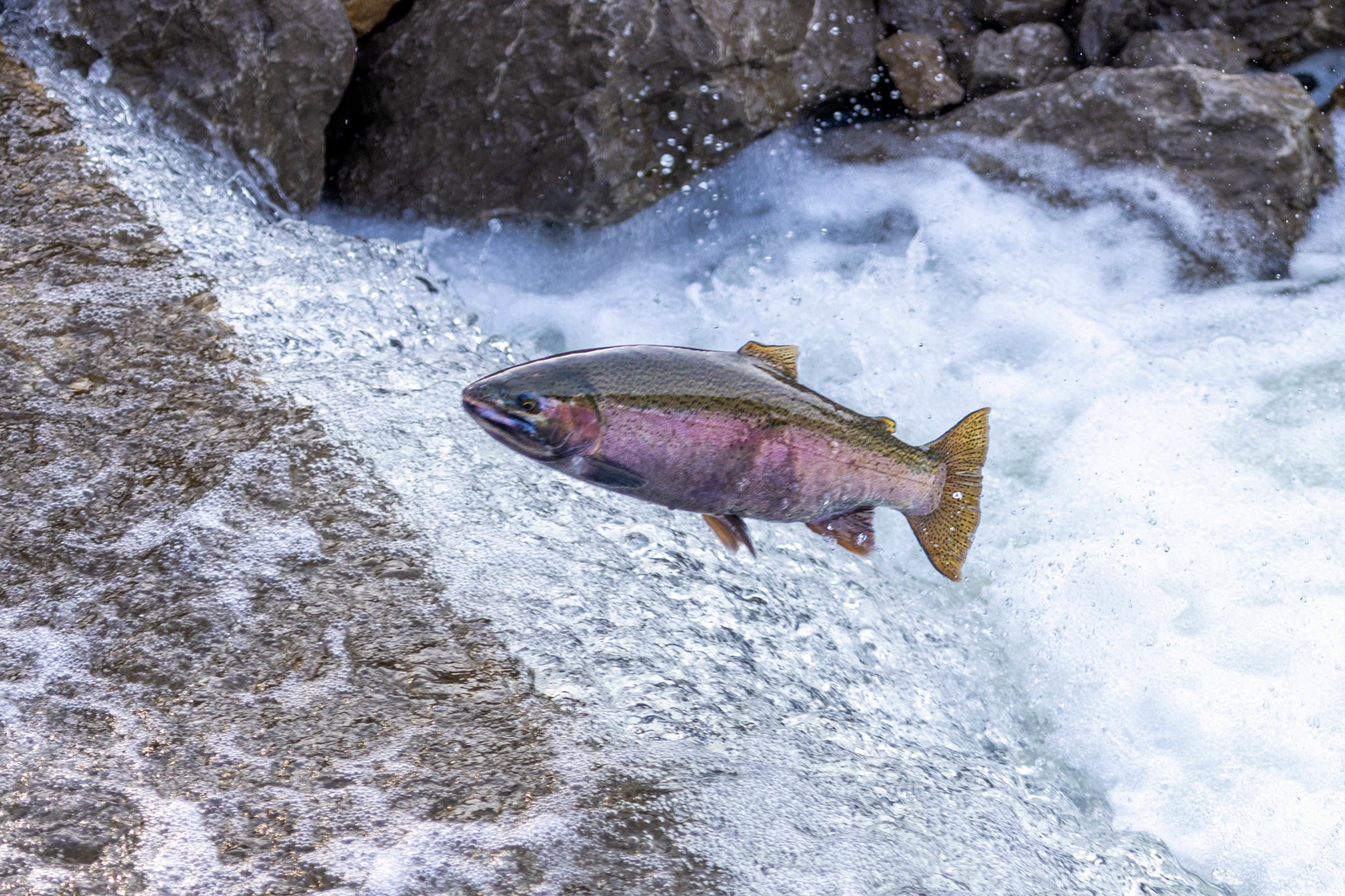
This is what real fisheries conservation looks like.
NOAA Fisheries reported on the long effort to restore salmon and steelhead passage in California's Alameda Creek. It took decades of work, planning, construction, and coordination to give these fish a better shot at reaching historic habitat again. That is not flashy, but it is the kind of work that decides whether future generations inherit fish runs or just stories about what used to be there.
A lot of people talk about conservation like it is just a feeling. It is not. Conservation is culverts, ladders, flows, habitat, access, enforcement, and long term pressure from people who refuse to let a fishery disappear quietly. It is also patience. Salmon and steelhead do not come back because someone posted a slogan. They come back when the river can actually support them.
Fishermen should care about this even if they never fish Alameda Creek. Every restored passage project is a reminder that damaged systems can recover when people do the hard work. It also shows why harvest and conservation do not have to be enemies. The people who want fish on the table should be among the loudest voices for habitat, because without habitat there is nothing left to manage.
There is a lesson here for every state dealing with weak runs, blocked tributaries, poor water quality, or bad management. You can close seasons forever and still not fix the problem if the habitat is broken. At some point the work has to happen on the ground and in the water.
Healthy fisheries are built before opening day. This is the unglamorous side of that truth.
Source & further reading
NOAA FisheriesRegulations and conditions change. Check current official guidance before you hunt, dive or travel.