
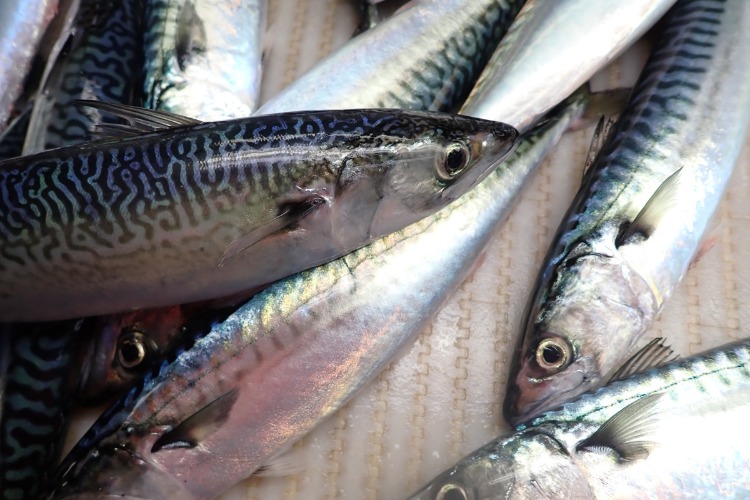
Atlantic mackerel are not moving like they used to, and NOAA Fisheries is leaning on both science and fishermen to figure out what is actually happening on the water.
For years, mackerel followed a familiar seasonal track across the Northwest Atlantic: north from southern New England and the Mid-Atlantic through Georges Bank and along the Scotian Shelf in spring, then back south when fall temperatures cooled. Lately, that pattern has gotten harder to predict.
The Northeast shelf has been through persistent warming, with several marine species shifting northeast and into deeper water. Then a cooler pulse of northern water moved through the region in 2023 and 2024, bringing conditions scientists say had not been seen since the 1990s. Fishermen started seeing delayed migrations, species showing up in unexpected places and what looked like more Atlantic mackerel in some areas after years of poor abundance.
The Atlantic Mackerel Cooperative Research Initiative is built around that question: are mackerel starting to recover, and which ecosystem drivers are changing where and when fishermen find them? That work matters because fishermen’s observations are often the first warning that something has changed long before a clean chart catches up.
Good management cannot run on guesswork. If ocean conditions are shifting fish distribution, then stock assessments, seasons, quotas and access fights all need the best information available. That means listening to people who make their living and spend their lives on the water, then backing it up with hard science.
Source & further reading
NOAA FisheriesRegulations and conditions change. Check current official guidance before you hunt, dive or travel.