
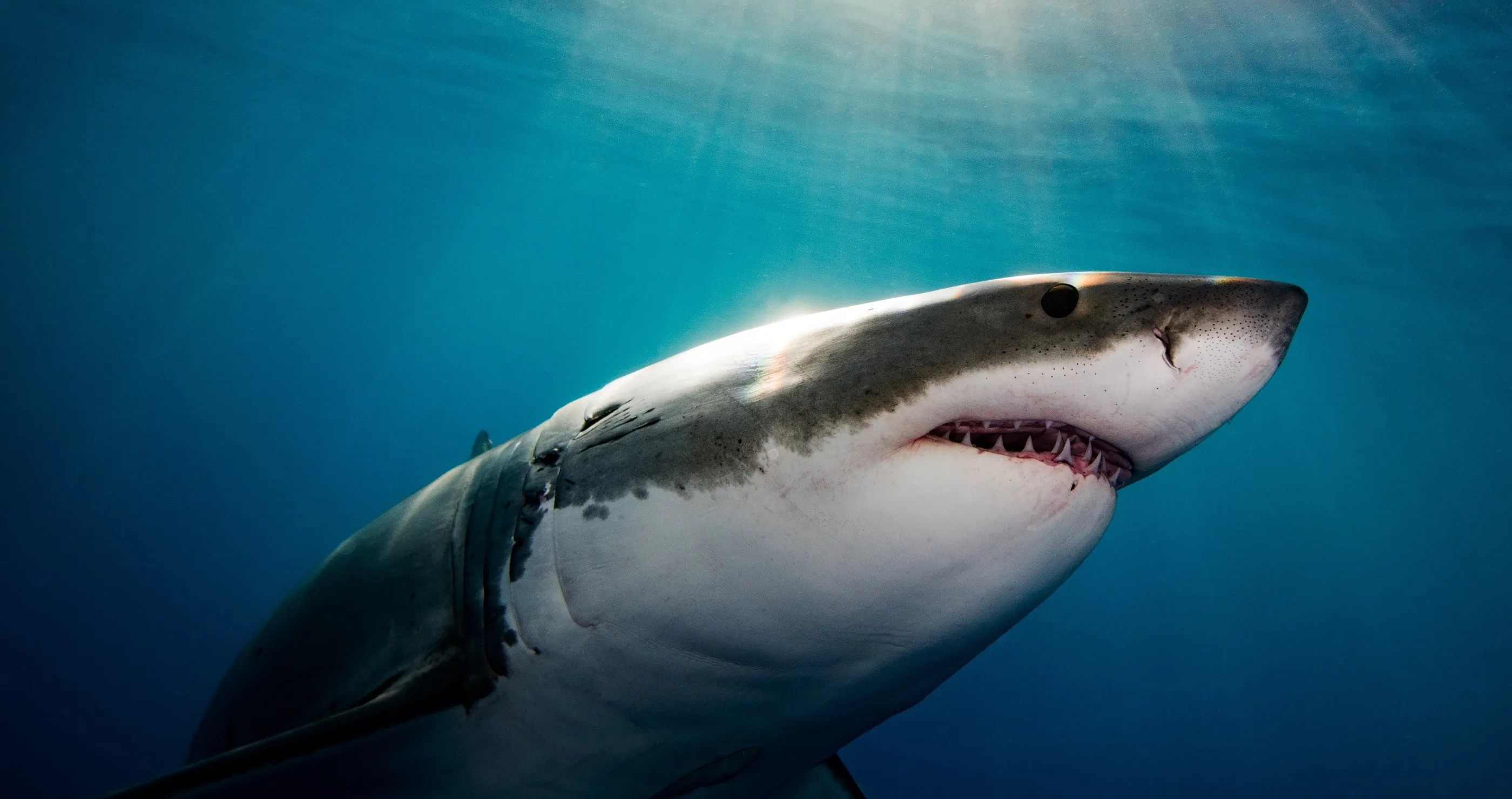
A 12-year-old Texas boy surviving a shark attack in the Bahamas is a hard reminder that wild water does not become tame just because it is clear, warm, and looks like vacation.
Parker Roll was on a family trip near Staniel Cay when the attack happened on June 23. According to the account, the family had gone by boat to an isolated beach to swim. His brother first noticed what he thought might be a rock, then realized it was a large shark. Parker said he looked down and saw the shark’s head, and later described the bite as feeling like a knife in his calf.
His brother Jack helped stop the bleeding by using Parker’s swimsuit as a makeshift bandage. Parker said he considers himself lucky because the shark could have taken his leg. That is not drama. That is a kid understanding how close a good day came to turning into a funeral.
Shark attacks are still rare, but rare does not mean impossible. Anyone who fishes, dives, spears, swims, or takes family into saltwater should keep some basic rules in mind. Pay attention to bait, birds, current, murky water, fish-cleaning areas, and isolated beaches where help is not close. Do not ignore a large shark because somebody says it is probably harmless. Have a real first-aid kit, know how to stop major bleeding, and do not count on cell service saving you.
This is not a call to hate sharks. They belong in the ocean. It is a call to stop pretending the ocean is a resort pool with prettier water.
Respecting predators means telling the truth about them. Most days nothing happens. On the wrong day, fast thinking, pressure on a wound, and getting out of the water can be the difference between a survival story and a family tragedy.
Source & further reading
Wide Open SpacesRegulations and conditions change. Check current official guidance before you hunt, dive or travel.