
Archive note — published October 27, 2026 from an earlier prepared draft. The displayed date is the original source report date, not the date this page first went online.
Invasive weeds do not stop where the road ends. In north-central Colorado, a habitat partnership is using mules to carry herbicides and equipment into remote country, allowing crews to spot-treat infestations that are difficult to reach. A September 30 update from the Rocky Mountain Elk Foundation describes the work and its expansion beyond the original treatment area.
The foundation has supported Forest Service weed control in the Arapaho and Roosevelt National Forests’ Sulphur Ranger District since 2011. Its funding is matched with Colorado Parks and Wildlife Habitat Partnership Program dollars, allocated through a local committee for habitat where livestock and big game share the ground. Contractor Wilderness Weeds packs equipment in by mule and uses selective spot spraying rather than treating the backcountry as one continuous spray block.
The effort expanded in 2025 to the Parks Ranger District and adjacent remote Bureau of Land Management land that had not previously been treated. RMEF reports a $12,000 grant supporting work at three sites in the Sulphur and Parks districts. The update says the partnership has tackled infestations on 6,000 acres to date; that is a cumulative footprint, not a claim that every acre was sprayed this year.
Targets include Canada and musk thistle, houndstongue, mullein, yellow toadflax and ox-eye daisy. The habitat work benefits country used by elk, mule deer, moose and other wildlife. This is ongoing maintenance of habitat, not an announcement of new hunting access or changed harvest rules.
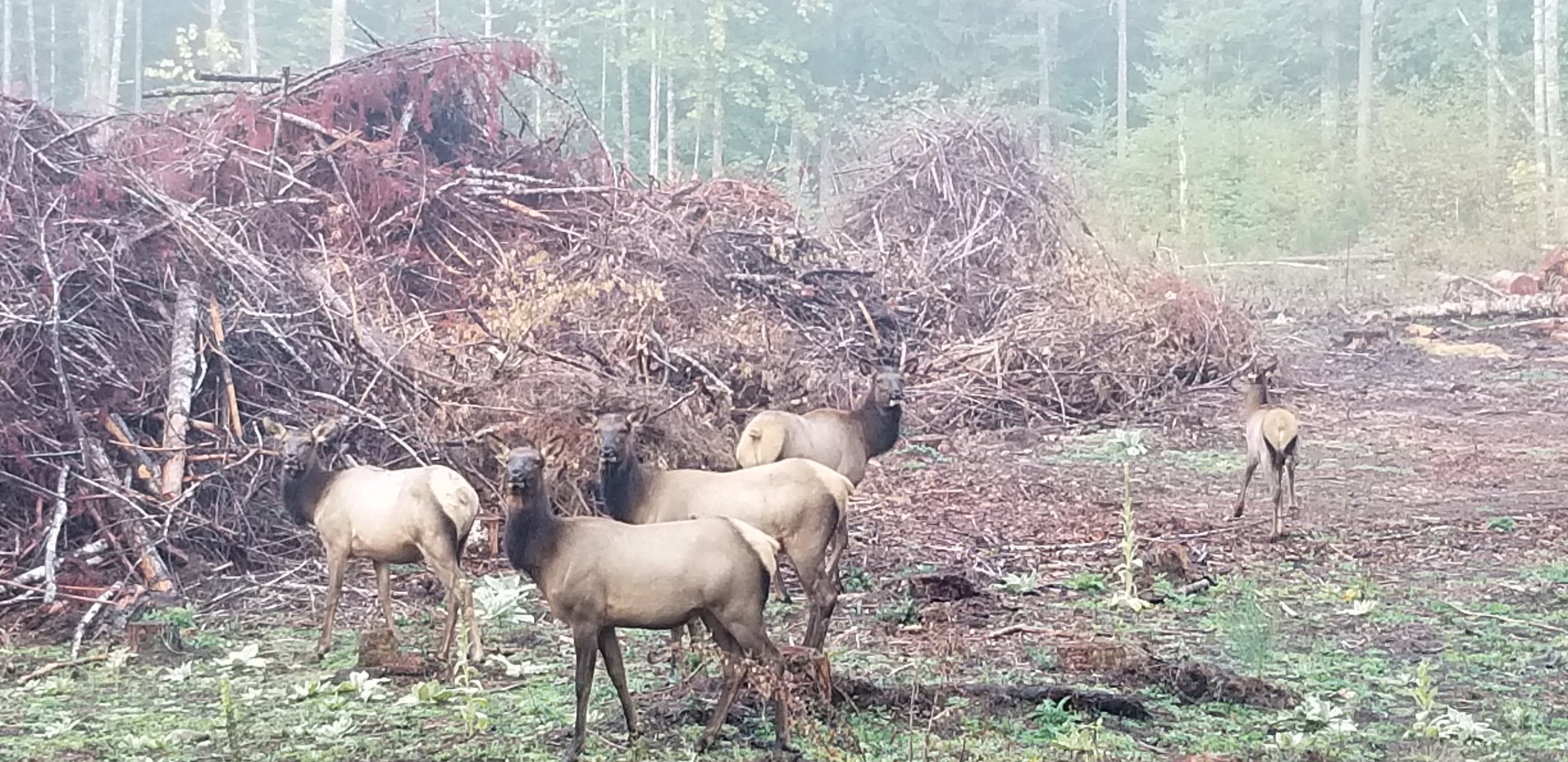
Illustrative image: Elk; credit: Jennifer Rowlen/USFWS. Public Domain, via the U.S. Fish and Wildlife Service (https://www.fws.gov/media/elk). This is a species illustration, not a photograph of the reported location, project or event.
Source & further reading
Rocky Mountain Elk FoundationRegulations and conditions change. Check current official guidance before you hunt, dive or travel.