
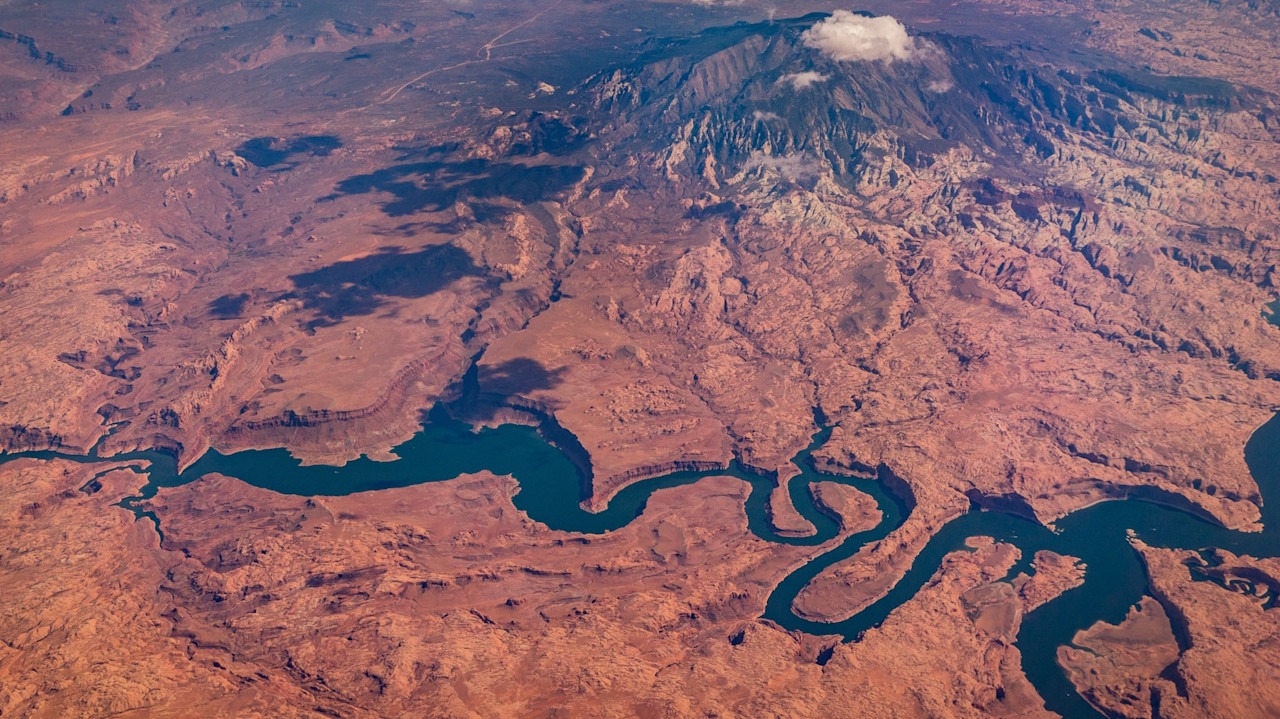
The Colorado River fight is not some distant city-water argument. It is a fish, wildlife, habitat, farming, hydropower, and public-land issue all stacked on one stressed river.
On July 31, the Bureau of Reclamation released the Final Environmental Impact Statement for a new 10-year management plan for the Colorado River through Lake Powell and Lake Mead. The plan is set to replace the 2007 operating guidelines. The seven basin states have been trying to work out a long-term path, but years of negotiations have not produced a deal. Now the federal government is stepping further into management of the system.
The numbers are ugly. Lake Powell is around 22% capacity and Lake Mead is around 27%, with both reservoirs sitting at record-low levels. The Colorado River serves more than 40 million people, supports hydropower across seven states, provides water tied to 30 tribes and two Mexican states, and helps support millions of acres of agriculture. It also carries the burden for fish, waterfowl, riparian habitat, and desert wildlife that rarely get top billing when humans start dividing water.
Hunters and anglers should care because dry rivers and drained reservoirs hit everything downstream: trout, native fish, wetlands, waterfowl production, migration corridors, fire risk, and the places western wildlife depends on when the country gets hot and dry.
Water management is wildlife management. If the plan only counts people and paperwork, the resource will keep paying the bill.
Source & further reading
MeatEaterRegulations and conditions change. Check current official guidance before you hunt, dive or travel.