Coastal habitat does not come back because somebody writes a nice slogan about it. It comes back when people move dirt, rebuild islands, stabilize shorelines and stick with the work long enough for birds, oysters and fish to use it again.
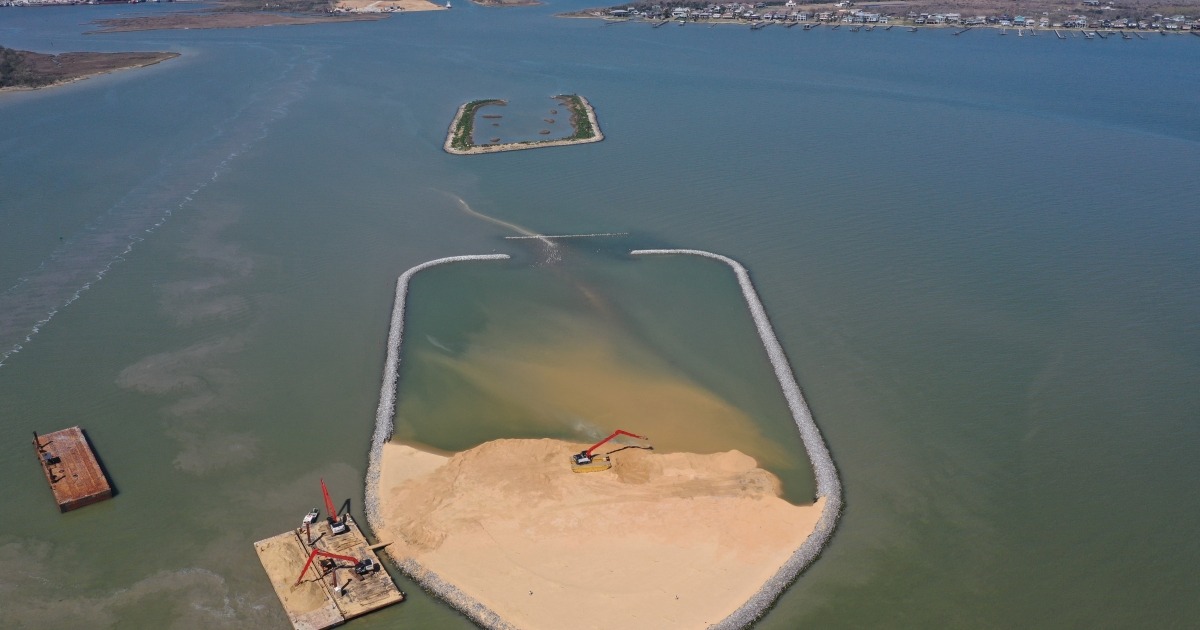
The U.S. Fish and Wildlife Service highlighted restoration work in Dickinson Bay, where islands that had been submerged by erosion and storms were brought back through years of partnership. The Coastal Program and conservation partners rebuilt two islands that now provide nesting habitat for thousands of waterbirds while also supporting oysters and the broader bay system.
That kind of project matters far beyond a pretty before-and-after photo. Islands and marsh edges protect nursery water, give birds a place to nest away from heavy disturbance, help oysters filter water and add structure back into a coast that has taken plenty of hits from storms, erosion and development pressure.
Hunters and anglers should care about this work because coastal habitat is the factory floor. Ducks, fish, bait, oysters and water quality are all tied together. If the habitat falls apart, opportunity follows it down.
Good conservation is practical. It is not anti-use and it is not anti-harvest. It is the work that makes use and harvest possible for the next generation. Rebuilding lost islands in Dickinson Bay is exactly the kind of boots-on-the-ground habitat work that deserves attention.
Source & further reading
U.S. Fish and Wildlife ServiceRegulations and conditions change. Check current official guidance before you hunt, dive or travel.