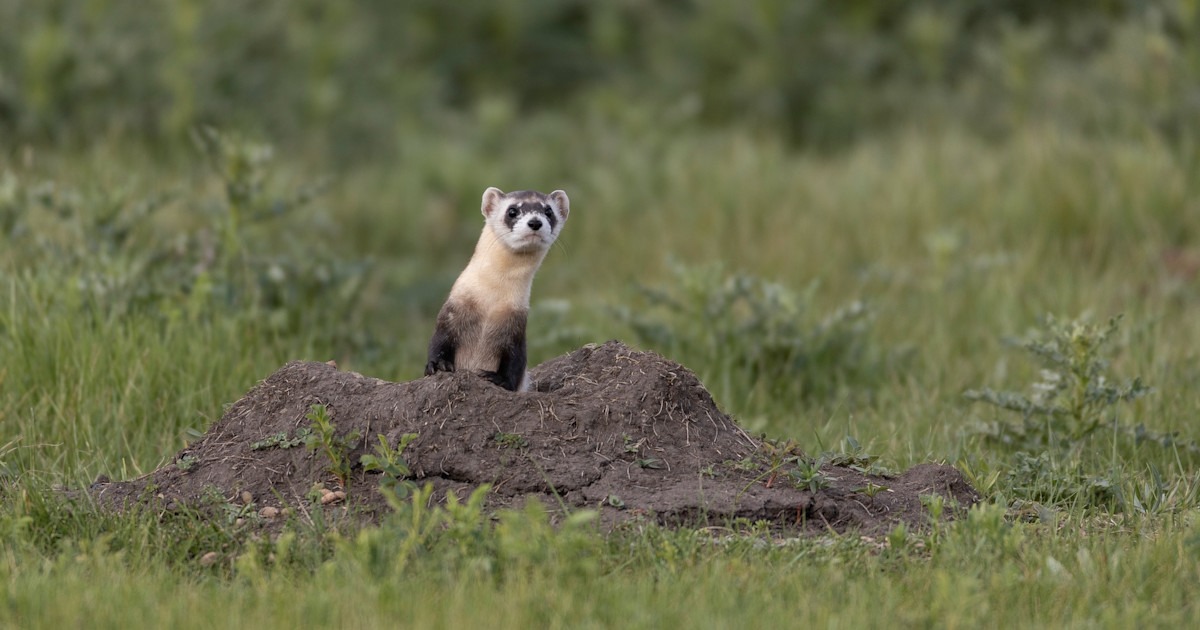
The Department of the Interior has made several major Endangered Species Act changes in a short stretch, and the habitat piece is the one hunters and anglers need to watch closely. One rule removes the regulatory definition of “harm” that included significant habitat modification or degradation when it actually kills or injures listed wildlife by impairing breeding, feeding, or sheltering. Other changes move away from blanket protections for threatened species and change how critical habitat is designated.
There are fair arguments about overreach, permitting delays, and whether every federal rule is written clearly enough for landowners, ranchers, small businesses, and local governments to understand. Nobody who works land or depends on access wants conservation law used like a blunt instrument. But it is also true that wildlife does not recover on paper. It recovers on habitat.
The sage grouse fight is a good reminder. Western states, landowners, agencies, and industry worked around core habitat, lek areas, disturbance limits, and targeted conservation to keep greater sage grouse from needing an ESA listing. That approach helped protect a bird, kept more management authority closer to the ground, and still left room for working landscapes. Hunters know that game and nongame species often ride on the same habitat decisions. Mule deer, pronghorn, upland birds, trout, ducks, and listed species all need functional country, not just legal definitions.
A more species-specific approach for threatened wildlife might make sense if it is backed by staff, science, enforcement, and real recovery plans. If it turns into less habitat protection with no practical replacement, the cost will show up later in listings, lawsuits, lost opportunity, and degraded ground.
Conservation policy should be clear, fair, and usable. It also has to admit the obvious: protect the habitat or eventually there is nothing left to manage.
Source & further reading
MeatEaterRegulations and conditions change. Check current official guidance before you hunt, dive or travel.