Georgia anglers will get another chance to bring home red snapper in December, but the extra fishing days come with the same obligation to document trips and catches. The Georgia Department of Natural Resources’ Coastal Resources Division announced November 24 that the second recreational season runs from 12:01 a.m. December 1 through 11:59 p.m. December 31, 2026, local time, under the state’s Exempted Fishing Permit.
The agency announcement covers participating anglers harvesting red snapper in South Atlantic federal waters. Trips under Georgia’s permit must begin and end at a Georgia landing location. The daily limit remains one red snapper per person, with no minimum size. Captains and crew on charter or headboat trips have no red snapper bag allowance.
Private anglers need a valid Georgia recreational fishing license and Saltwater Information Program Permit. Before leaving, each participating private angler must declare the trip through Bluefin Data’s VESL platform and obtain a unique trip authorization code, which must be available for law-enforcement inspection. The signed permit also requires a copy of the EFP aboard the vessel.
The reporting clock matters: both the November announcement and the signed permit require the completed private-angler trip report no later than 24 hours after departure—not 24 hours after returning to the dock. Reports include red snapper caught, kept and released, and whether released fish were alive or dead. An outstanding report prevents the angler from starting another EFP trip until it is submitted. Federally permitted charter and headboat operators continue using the federal for-hire electronic reporting program.
Bad weather limited fishing during October’s 14-day opening, according to CRD. Georgia, South Carolina, Florida and NOAA Fisheries agreed that a second season would help meet the pilot programs’ data-collection objectives. This is additional access under an experimental permit, not an unrestricted opening or a permanent change to South Atlantic red snapper management. Anglers fishing under another state’s program should follow that state’s requirements rather than assume Georgia’s rules apply.
Release equipment remains part of trip preparation. The South Atlantic Fishery Management Council’s gear guidance requires a descending device to be readily available aboard vessels fishing for or possessing snapper-grouper species, attached to at least 16 ounces of weight and 60 feet of line. A device left in its packaging does not meet that ready-to-use standard. A dehooking tool is also required; non-offset, non-stainless-steel circle hooks are required when using natural bait for snapper-grouper north of 28 degrees north latitude. Other applicable federal regulations still apply.
Optional gear consideration: The SeaQualizer descending device, 100/200/300-foot release version is one option for returning fish to depth. This deep-release version is not suitable when the water is too shallow to reach its lowest release setting. Match the setting to the fishing depth and release guidance, and rig adequate line and weight before fishing; the 60-foot regulatory minimum alone cannot reach this model’s first setting. Buying the device does not supply a complete rig or authorize a trip. CRD also links to Return ’Em Right training and access to free release gear, an alternative worth checking before purchasing. That program’s announcement requires completion of its course and payment of shipping and handling fees.
KILLSHOT Life may earn a commission from purchases through this Amazon link.
Before departure, check Georgia’s official red snapper program page for updates, complete the trip authorization and have the reporting deadline planned. The December dates do not authorize harvest before December 1.
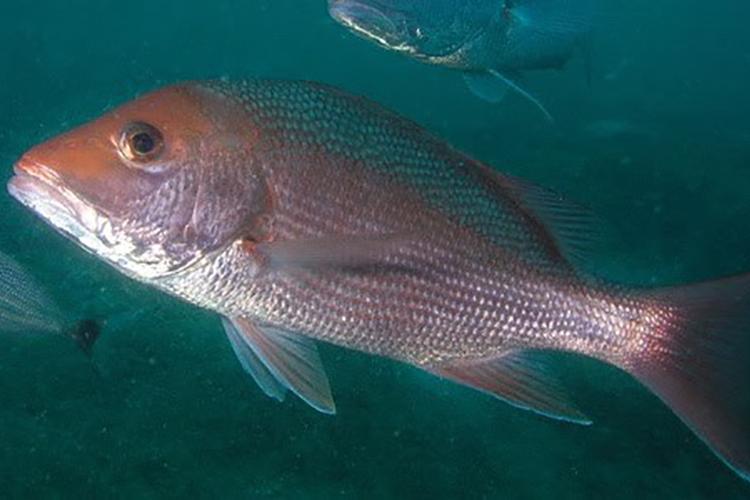
Illustrative file photo: a swimming red snapper, courtesy of NOAA Fisheries. The image appears on NOAA’s Gulf recreational red snapper management page; it does not depict a Georgia catch or the December season.
Source & further reading
Georgia DNR Coastal Resources DivisionRegulations and conditions change. Check current official guidance before you hunt, dive or travel.
As an Amazon Associate I earn from qualifying purchases.