
Here is a clean-water conservation story that deserves more attention than it will probably get.
USFWS, the Saint Louis Zoo, and the Missouri Department of Conservation have been recognized for their work raising, breeding, and releasing hellbenders back into Missouri rivers and streams. Since 2008, partners have released more than 12,000 endangered hellbenders into the wild.
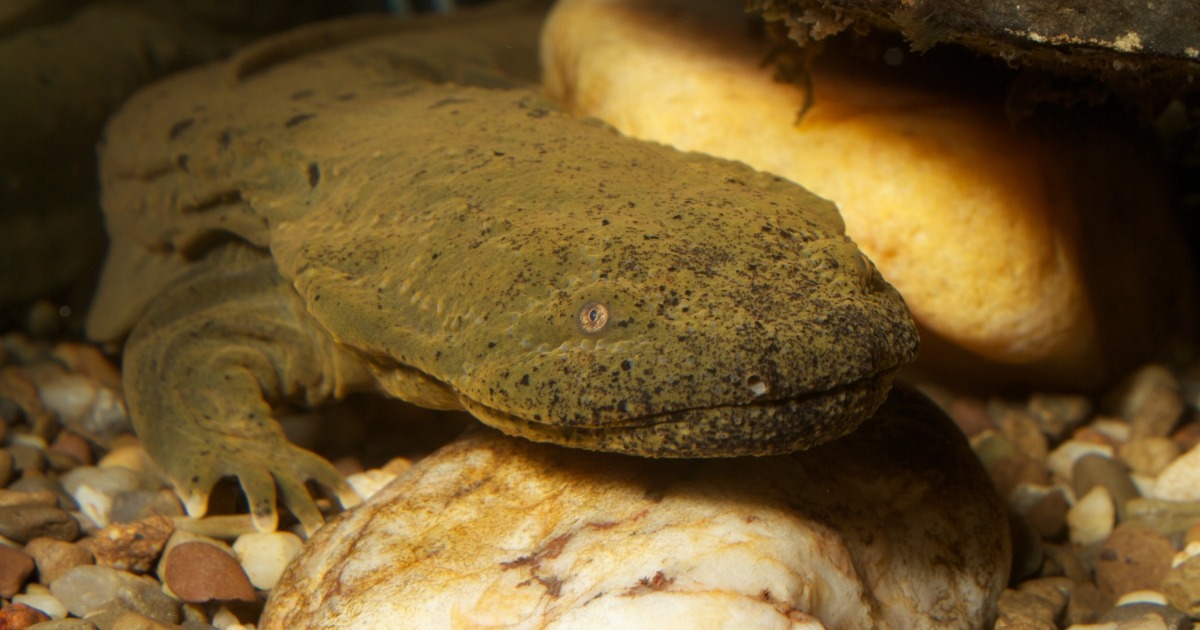
Hellbenders are big, fully aquatic salamanders with flat heads, wrinkled bodies, and paddle-shaped tails. They breathe through their skin, which means they need cold, clear, oxygen-rich streams. When sediment, pollution, chemical runoff, or altered flows beat up a creek, hellbenders are one of the species that show the damage early.
Missouri is the only state with both Ozark and eastern hellbenders in the wild. The Ozark hellbender was listed as endangered in 2011, and Missouri’s eastern hellbenders were listed as endangered in 2021. USFWS says hellbender populations have dropped more than 70 percent over the past 40 years.
This is what real conservation looks like: habitat work, captive breeding, releases, monitoring, clean streams, and agencies and partners staying with it for years. Hunters and anglers should care about this because the same clean water that keeps a hellbender alive also keeps baitfish, crawfish, trout, smallmouth, and every other piece of a healthy watershed in the game.
Protect the creek, and you protect a lot more than one strange-looking salamander under a rock.
Source & further reading
U.S. Fish and Wildlife ServiceRegulations and conditions change. Check current official guidance before you hunt, dive or travel.