
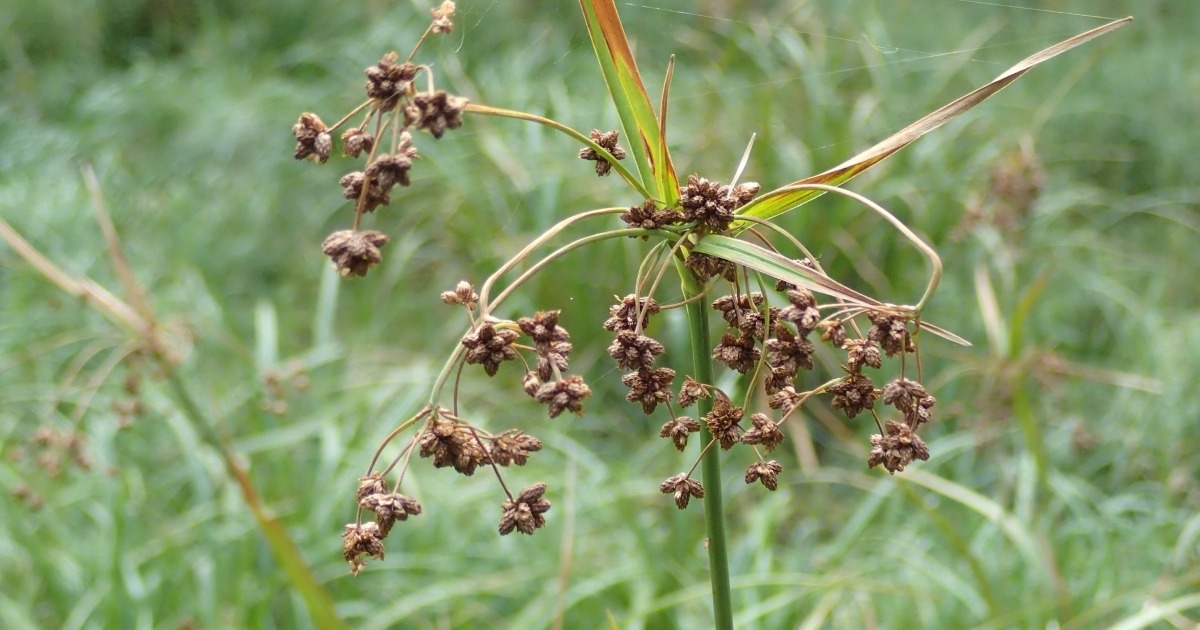
This is what a conservation win is supposed to look like.
The U.S. Fish and Wildlife Service is removing the northeastern bulrush from the federal endangered species list because of recovery. When the wetland plant was listed as endangered in 1991, there were only 13 known populations in six states. According to the Service, there are now 148 known populations across eight states: Maryland, Massachusetts, New Hampshire, New York, Pennsylvania, Vermont, Virginia, and West Virginia.
That is not a headline most people will argue about at deer camp, but it matters. The whole point of the Endangered Species Act is supposed to be recovery. Not permanent emergency status. Not endless process. Recovery. When a species improves enough to be removed from the list, that should be recognized as success for the biologists, agencies, landowners, partners, and habitat work that made it possible.
The northeastern bulrush is not a game animal. You are not buying a tag for it. Nobody is mounting one on the wall. But wetland plants are part of the foundation under wildlife. Wetlands filter water, hold floodwater, support insects, feed birds, create cover, and tie together the systems that hunters and fishermen depend on whether they think about it or not. A marsh, bog, pond edge, or wet meadow can look quiet until you understand how much life starts there.
The Service pointed to years of surveys, monitoring, invasive species control, habitat protection, propagation, and moving plants to establish a new population in New York. That is not glamorous work. It is not the kind of conservation that gets a grip-and-grin photo. It is slow, technical, repetitive, and easy for the public to overlook. It is also exactly the kind of work that can move a species from trouble toward stability.
Sportsmen should support delisting when the science says recovery has happened. If the goalposts never move, public trust dies. People are more willing to accept restrictions, habitat work, and management decisions when they know success actually means something. Keeping recovered species listed forever does not make conservation stronger. It makes people wonder whether the process is about biology or bureaucracy.
A recovered wetland plant may not sound like a hunting or fishing story at first. It is. Habitat wins stack up. Clean water wins stack up. Functional wetlands stack up. And when conservation works, we should be honest enough to say it worked.
Source & further reading
U.S. Fish and Wildlife ServiceRegulations and conditions change. Check current official guidance before you hunt, dive or travel.