
Salmon recovery is not built in a comment section. It is built in culverts, tide gates, stream channels, and years of work nobody sees.
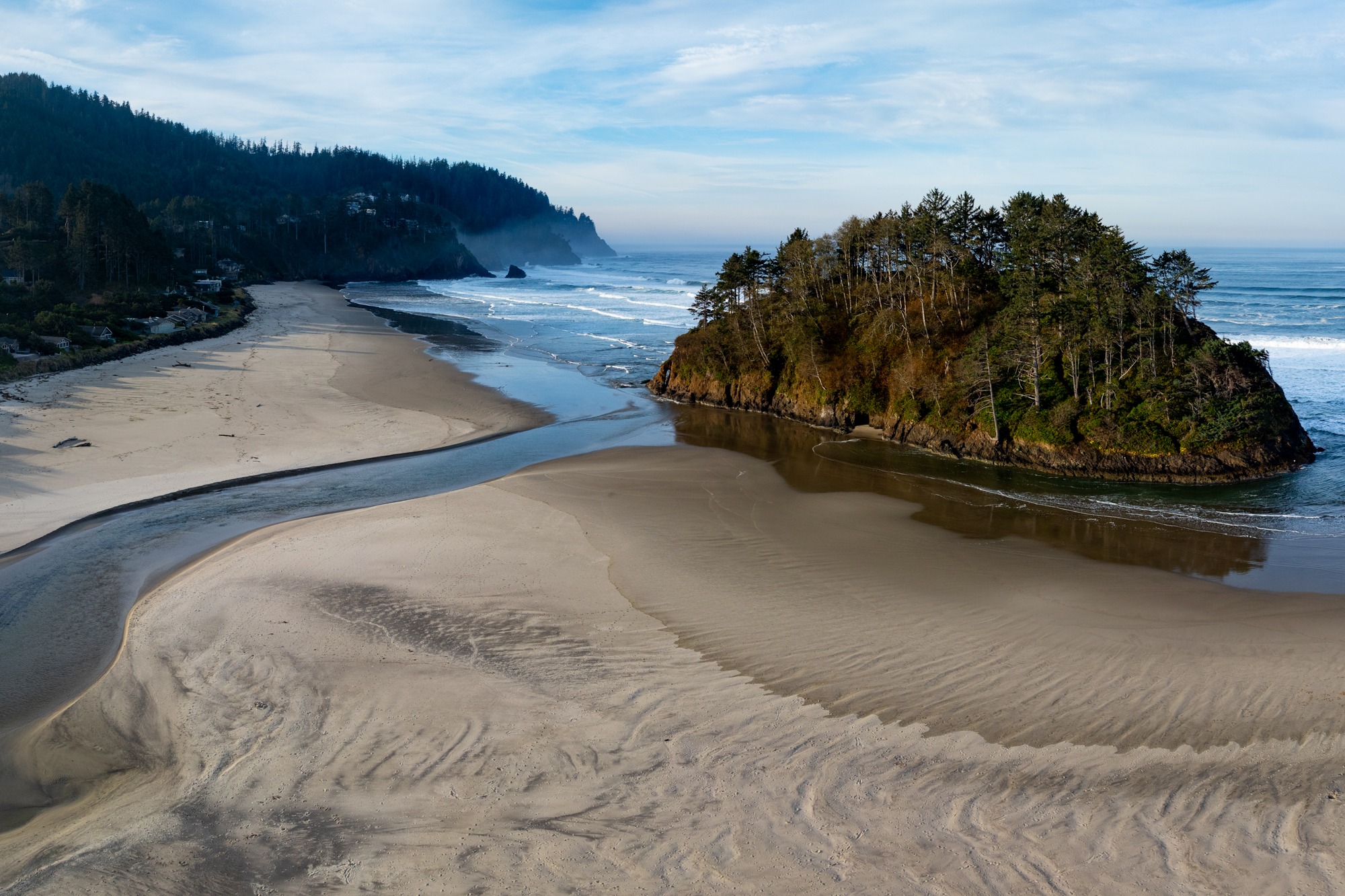
NOAA Fisheries is pointing to the Salmon SuperHwy effort on the Oregon coast as a clear example of what practical habitat restoration can do. The project works across the Tillamook, Nestucca, and Sand Lake watersheds to remove or replace barriers like failing road culverts and tide gates. When the full effort is complete, salmon and steelhead should regain access to about 180 miles of habitat that had been blocked for decades.
That is real conservation. Not a slogan. Not a fundraising line. Fish passage work means engineers, biologists, road crews, landowners, county officials, conservation groups, and funding all moving in the same direction long enough to change what a river can actually produce.
The results are worth paying attention to. Threatened Oregon Coast coho have rebounded in recent years, and NOAA officials say freshwater habitat restoration is part of that picture. Since 2021, more than 150,000 Oregon Coast coho have returned annually on average to coastal rivers and streams. For 2026, the Pacific Fishery Management Council estimated ocean abundance at 219,000 wild coho.
Ocean conditions, hatchery changes, and reduced harvest all play a role. Nobody serious should pretend one culvert project explains an entire salmon run. But the habitat side matters because young coho need access to streams where they can grow strong enough to survive the ocean. If those streams are cut off by bad crossings, perched culverts, debris-plugged pipes, or old tide gates, the best regulation book in the world will not fix the problem.
Fishermen should care about this because it proves a point we need to keep making: closing seasons is not the same thing as rebuilding fisheries. Sometimes restraint is necessary. Sometimes harvest has to be limited. But if the habitat stays broken, the fishery stays weak. At some point the work has to happen in the water.
This is also a reminder that conservation and fishing are not opposites. The goal of restoring passage is not to turn every river into a museum. The goal is stronger runs, healthier watersheds, better resilience in bad ocean years, and a future where people can still see and, where regulations allow, legally catch salmon and steelhead.
If we want fish in the river, we have to care about what happens long before opening day. Habitat is not the background of the story. It is the foundation.
Source & further reading
NOAA FisheriesRegulations and conditions change. Check current official guidance before you hunt, dive or travel.