
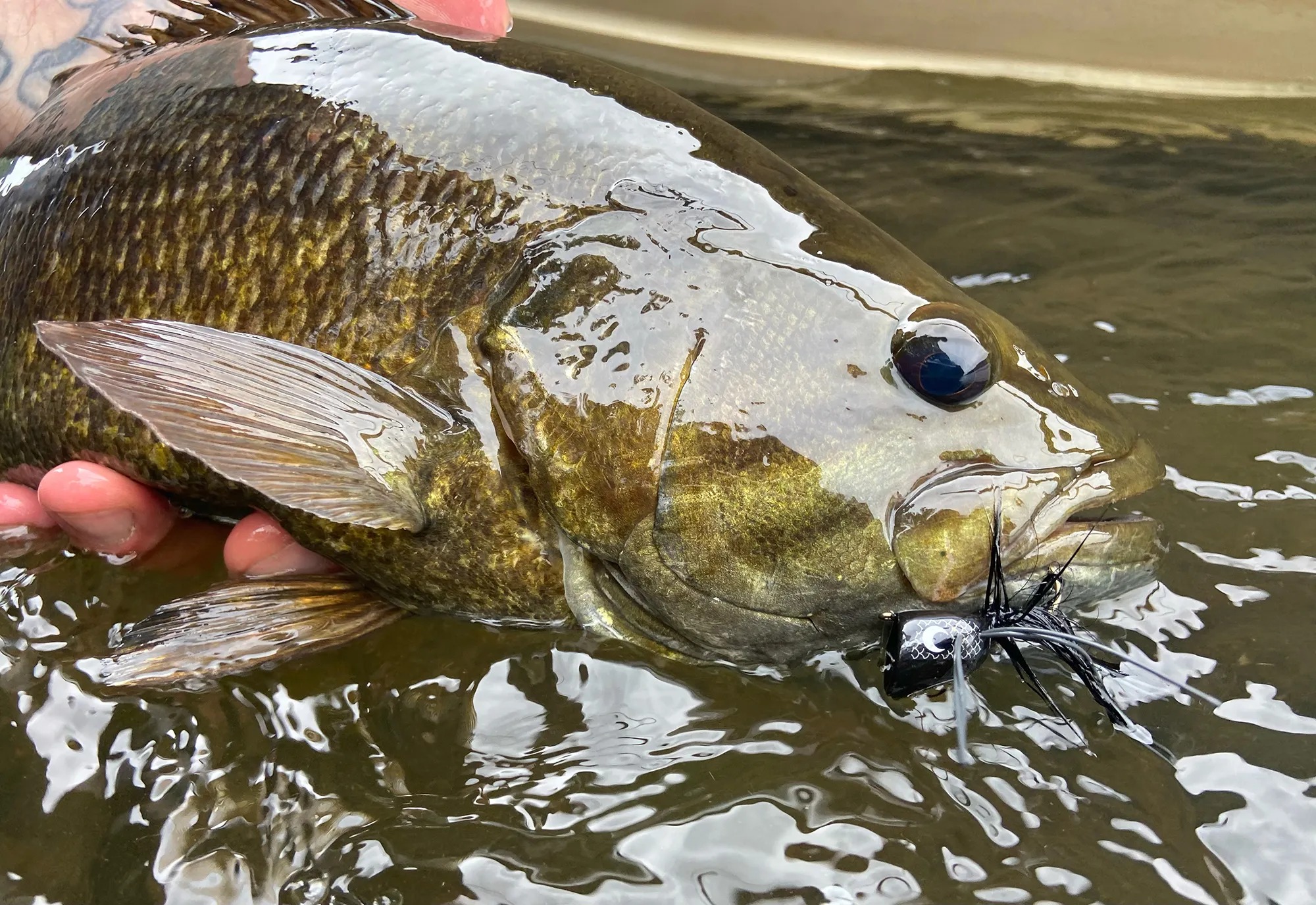
A fish can be great in one place and a problem in another.
Outdoor Life covered why smallmouth bass, one of the most loved sportfish in the country, can also create serious management problems when they end up in the wrong waters. That makes some anglers uncomfortable, but it is exactly the kind of issue that separates real wildlife management from simple fan loyalty.
Smallmouth are incredible fish. They fight hard, eat aggressively, and support strong recreational fisheries across a lot of the country. Plenty of fishermen would put them near the top of the list for pure fun. But liking a fish does not mean pretending it belongs everywhere.
In some systems, smallmouth can put heavy pressure on native fish, especially juveniles of species managers are trying to recover. That does not make smallmouth evil. It means biology does not care about our preferences. A predator introduced or expanded into the wrong system can change the balance fast, even if that predator is popular with fishermen.
This is the part of conservation a lot of people do not like. Management sometimes means protecting one species by controlling another. It means admitting that a fish, bird, mammal, or reptile can be valuable in one place and damaging in another. Emotion alone cannot handle that. Neither can a one-size-fits-all rule written by people who never see the water.
Fishermen should be involved in these conversations because they know the resource in a way spreadsheets alone cannot show. But they also need to be honest. If a favorite fish is hurting a native run or changing a river, pretending otherwise does not help anybody.
Good management is not about picking the animal we like best. It is about keeping the system healthy enough to support fish, fishermen, and the next generation of both.
Source & further reading
Outdoor LifeRegulations and conditions change. Check current official guidance before you hunt, dive or travel.