
Good fisheries science gets stronger when fishermen are part of it.
NOAA Fisheries highlighted work on the West Coast where anglers, charter captains, university researchers, and agency biologists are collecting data that helps guide sportfishing management. In 2023, recreational anglers in the Pacific region took more than 1.9 million fishing trips and spent more than $612 million. That is not a side issue. That is a major outdoor economy built around healthy fish populations, access, and trust in the rules.
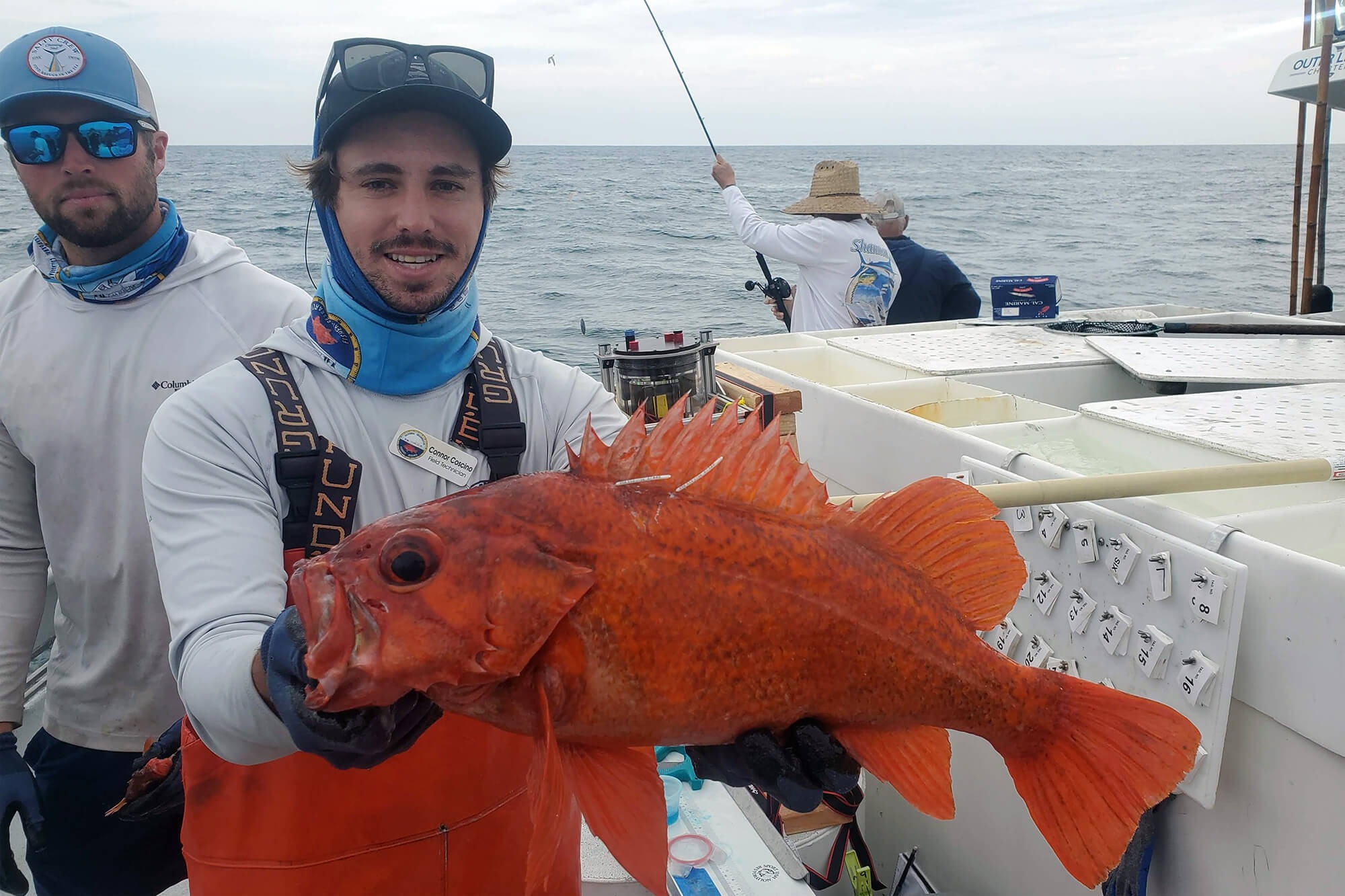
One example is the California Collaborative Fisheries Research Program. Volunteer anglers fish aboard charter boats inside and outside marine protected areas under research protocols, helping scientists compare coastal fish populations and collect information for stock assessments, MPA evaluation, and fisheries management. The work includes catching fish, photographing them, measuring them, tagging them, and returning them with care. For deep-water rockfish, teams use descending devices to reduce barotrauma and improve survival after release.
That kind of work matters because fishermen have been saying for years that management cannot live only on spreadsheets. People on the water see things surveys miss. They see fish movement, bait, water temperature, pressure, release mortality, changing conditions, and whether a rule makes sense when it leaves the meeting room and hits the deck of a boat.
That does not mean fishermen get to ignore science. It means science gets better when it includes the people who know the water. A charter captain who runs the same grounds year after year carries practical knowledge. A biologist brings structure, sampling design, and long-term analysis. Put those together and you get better information than either side has alone.
This is especially important when marine protected areas and fishing closures are part of the conversation. If an area is closed to harvest, the public deserves to know whether it is working, what it is producing, and how it affects nearby fisheries. Fishermen are more likely to trust tough rules when the data is transparent and when they have a real role in collecting it.
Healthy fisheries need restraint, enforcement, habitat, and honest numbers. They also need fishermen who are willing to do more than complain at the dock. Volunteer research trips, tagging programs, catch reporting, descending-device use, and public input all help build the case for management that protects fish without treating legal harvest like the enemy.
Fishermen fund a lot of this resource, and they should help defend it with good information. Better data means better rules, stronger access arguments, and healthier fishing for the next generation.
Source & further reading
NOAA FisheriesRegulations and conditions change. Check current official guidance before you hunt, dive or travel.