
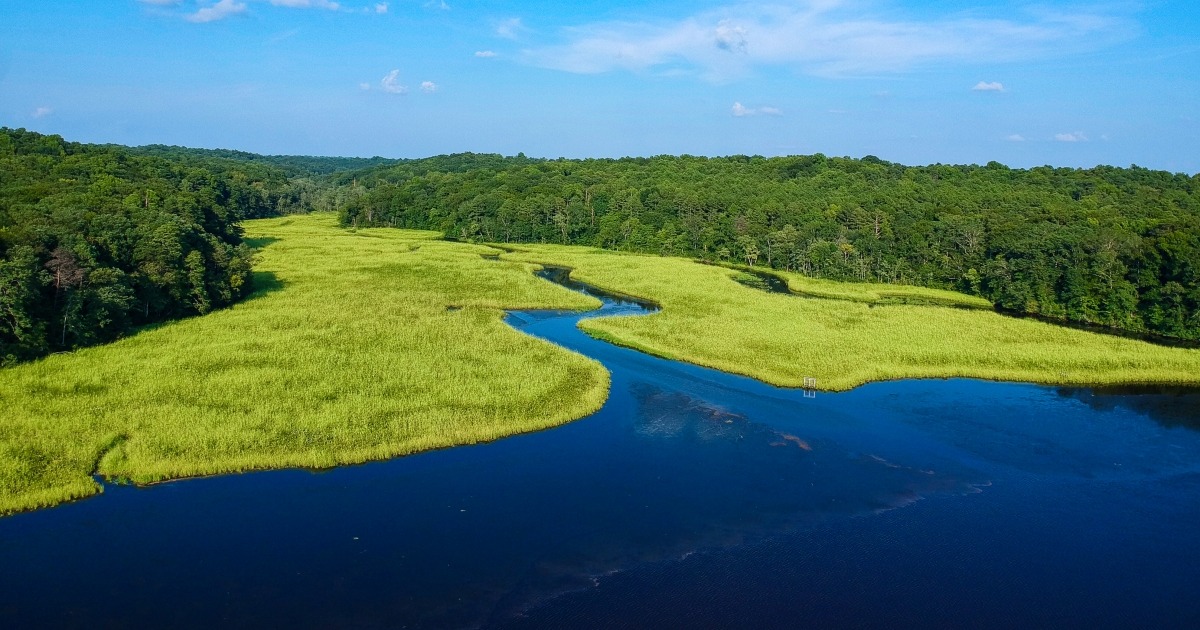
You cannot have duck season without duck habitat.
The Interior Department announced more than $67 million for wetland conservation projects and national wildlife refuges. That kind of headline does not get the same attention as a giant buck, a full strap of birds, or a pile of fish on the dock, but this is the work that makes those moments possible.
Wetlands are not just pretty scenery. They are nesting areas, migration stops, flood buffers, water filters, and food sources. For waterfowl hunters, they are the difference between birds on the move and empty skies. For coastal communities, they are often the first line of defense when storms and high water show up. For anyone who cares about wildlife, they are one of the most productive pieces of habitat on the planet.
This is also where hunters deserve more credit than they usually get. The North American Model of Wildlife Conservation was not built by people sitting online complaining about harvest photos. Hunters have funded habitat for decades through duck stamps, licenses, excise taxes, and conservation organizations. A lot of the people who get most emotional about wildlife have no idea how much of that wildlife exists because sportsmen paid for the dirt, the water, and the management behind it.
Good conservation is not just saying you love animals. It is protecting habitat, managing pressure, paying for enforcement, and making decisions that hold up outside a comment section. Wetland funding is not glamorous, but it matters.
If people want ducks, fish, clean water, and healthy habitat, they should support the systems that actually pay for them. Hunters and fishermen are not just users of the resource. In many cases, they are the ones keeping it alive.
Source & further reading
U.S. Fish & Wildlife ServiceRegulations and conditions change. Check current official guidance before you hunt, dive or travel.