Predator management is not a one-way street.
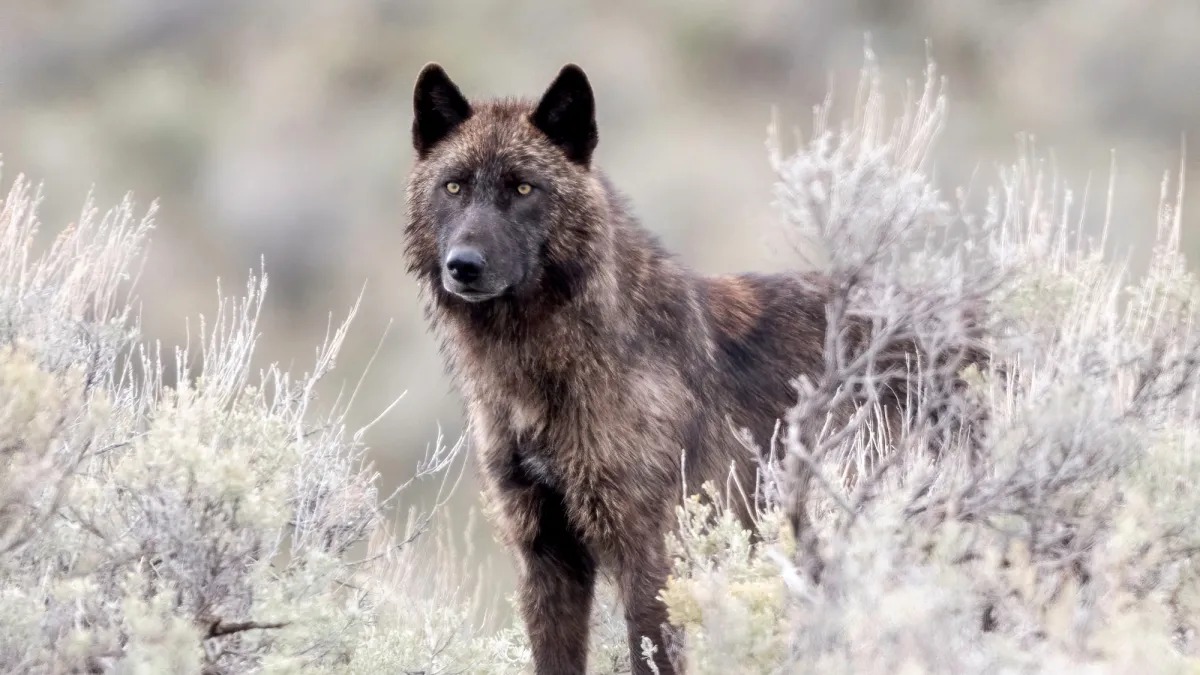
Outdoor Life reported that Wyoming wildlife managers are looking at reducing wolf harvest limits after a gray wolf population decline tied to disease near Yellowstone. The draft proposal would lower the overall harvest cap in the trophy game management area from 44 wolves in 2025 to 22 wolves for 2026, according to the report. That is the kind of decision that frustrates some hunters and pleases some wolf advocates, but the bigger point is simpler: real management responds to conditions on the ground.
Wolves belong in wild country. That does not mean they should be untouchable. It also does not mean every year should carry the same quota no matter what the population is doing. If disease hits a population and numbers drop, managers should look at the harvest structure. If wolf numbers rebound and start hammering elk, livestock, pets, or public tolerance, managers should have the ability to increase control. Both things can be true.
That is the part of predator politics that gets lost in the shouting. A lot of people want a permanent answer. No wolf harvest ever, or no limit on wolves at all. Neither approach matches the reality of wildlife management. Predators, prey, disease, habitat, weather, livestock conflict, and hunting pressure all move. The rules have to move with them.
Hunters have every right to watch these decisions closely. They should ask whether the data is solid, whether the state is accounting for Yellowstone-area movement, whether livestock impacts are being handled honestly, and whether the public process is fair. But hunters also know better than anyone that conservation sometimes means restraint. If the population dips, a temporary reduction can be part of keeping management credible.
The mistake is letting anti-hunting groups use every reduction as proof that hunting should disappear, or letting hunters treat every reduction as a betrayal. Managed harvest is valuable because it can be adjusted. That flexibility is what separates conservation from ideology.
Predators deserve respect. So do elk herds, ranching families, rural communities, and the hunters who pay attention long after the headlines fade. Wyoming needs management that can hold all of that at once, not a rulebook written by emotion from either side.
Source & further reading
Outdoor LifeRegulations and conditions change. Check current official guidance before you hunt, dive or travel.