
A deer on the ground changes the day's schedule. The scouting and waiting have paid off, but now there's warm meat to look after. On a mild afternoon, the useful question isn't how long you can keep hunting. It's where that meat will be cooling while you're doing anything else.
Plan that part before leaving home. A clean cooler, enough ice, a workable recovery route and somewhere with refrigeration aren't glamorous preparations. They're what let a successful hunt end with good venison rather than a hurried search for a processor after closing time.
Start with the destination
Know where the deer is going before you decide where to hunt. If you're using a processor, call ahead about receiving hours, after-hours arrangements and what condition they require the carcass in. Ask about tagging, identification and any testing or carcass-transport requirements that affect your hunt. Don't build a plan around a door that might be locked when you arrive.
If you're doing the work yourself, clear the refrigerated space first. An already crowded household refrigerator isn't an answer to an animal you haven't brought home yet. Match the hunt to your actual cooling capacity, including the time and help needed to get the meat there. If the plan depends on buying ice afterward, know where you can get it and have an alternative.
Think beyond a successful morning. Walk through the same job after a late-afternoon opportunity, with a longer recovery and less daylight. Sometimes the sensible adjustment is hunting closer to the truck or arranging help in advance, not buying another piece of equipment.
Get heat out instead of trusting the weather
Penn State Extension's guidance on handling wild game emphasizes prompt field dressing and rapid removal of body heat. It recommends refrigerating the carcass below 40°F as soon as possible. Cold slows bacterial growth; it doesn't make dirty handling harmless or undo time spent warm.
A cool breeze is pleasant for the hunter, but it isn't a measurement of the meat. The hide can insulate the carcass, and large pieces take work to cool. Penn State notes that larger animals may need halving or quartering for transport and faster cooling. For deer, decide how you'll handle the carcass with the conditions, your skills and the applicable identification and transport rules in mind.
Keep the carcass out of direct sun and allow appropriate air circulation while arranging prompt cooling. When air temperatures are above 40°F, the extension recommends secured, sealed bags of ice in the body cavity. That's a practical option for an intact, field-dressed deer, not permission to leave it sitting warm for the rest of the day.
Avoid treating a cold overnight forecast as refrigeration already delivered. The meat has to get through the afternoon first. Make the cooling arrangement work for the warmest part of the trip, not just the temperature you hope to see after dark.
Keep the clean work separate
Pack disposable gloves, clean tools, clean drinking water and material for protecting the meat during transport. Set those supplies where you can reach them without digging through muddy gear. A little organization matters when you're tired and trying to work efficiently.
Field dressing is a skill worth learning properly before you need it. Work carefully to avoid contaminating meat with intestinal contents, and keep dirt and hair off exposed surfaces. Penn State advises removing visible contamination and using clean water if rinsing is necessary, then drying thoroughly. A nearby pond or stream isn't a substitute for clean water.
Keep raw-meat juices away from drinks, sandwiches and other ready-to-eat food. Give the meat its own clean transport space rather than letting the family lunch share a wet cooler with it. Clean hands, knives and contact surfaces as the work progresses. Cold storage and clean handling solve different problems; neither replaces the other.
Measure the meat, not your confidence
A cooler is useful equipment, but its name doesn't tell you what's happening inside. Put a suitable refrigerator or cooler thermometer where you can check the storage conditions. Use a clean food probe to check the meat itself, following the instrument's directions and cleaning it between uses. An air reading and a reading inside a thick piece of meat answer different questions.
KILLSHOT Life may earn a commission if you buy through this Amazon link. If you don't already have a suitable food probe, the TempPro TempSwift digital meat thermometer, bright-red version is one option for spot checks. It's a folding-probe food thermometer, not a continuous cooler monitor. Keep it clean and protected, and use the manufacturer's instructions rather than assuming any probe can be left submerged or washed in a dishwasher.
One cold reading doesn't certify the whole load or erase its handling history. Check the parts that are slowest to cool, keep track of the time, and replenish cooling supplies as needed. If the arrangement isn't getting the job done, change it promptly instead of relying on the outside of the cooler feeling cold.
Make the drive part of the plan
Transport deserves the same attention as the work at the animal. Penn State warns against carrying a carcass across a vehicle's hood or roof because of engine heat and sunlight, and against putting a still-warm carcass in a trunk. Get it to adequate refrigeration without unnecessary stops.
Before crossing a boundary, confirm the relevant carcass-movement and chronic wasting disease rules with the wildlife agency. Cooling meat doesn't remove those obligations. Keep any required identification attached and arrange testing where required or recommended; this cooling plan isn't a substitute for disease guidance.
Once home, finish the handoff into refrigeration before putting everything else away. Note anything that didn't work: insufficient space, an awkward transfer, missing supplies or a processor you couldn't reach. Fix it before the next hunt. Good meat care is easier when it's already part of the day, rather than the job everyone starts planning after the deer is down.
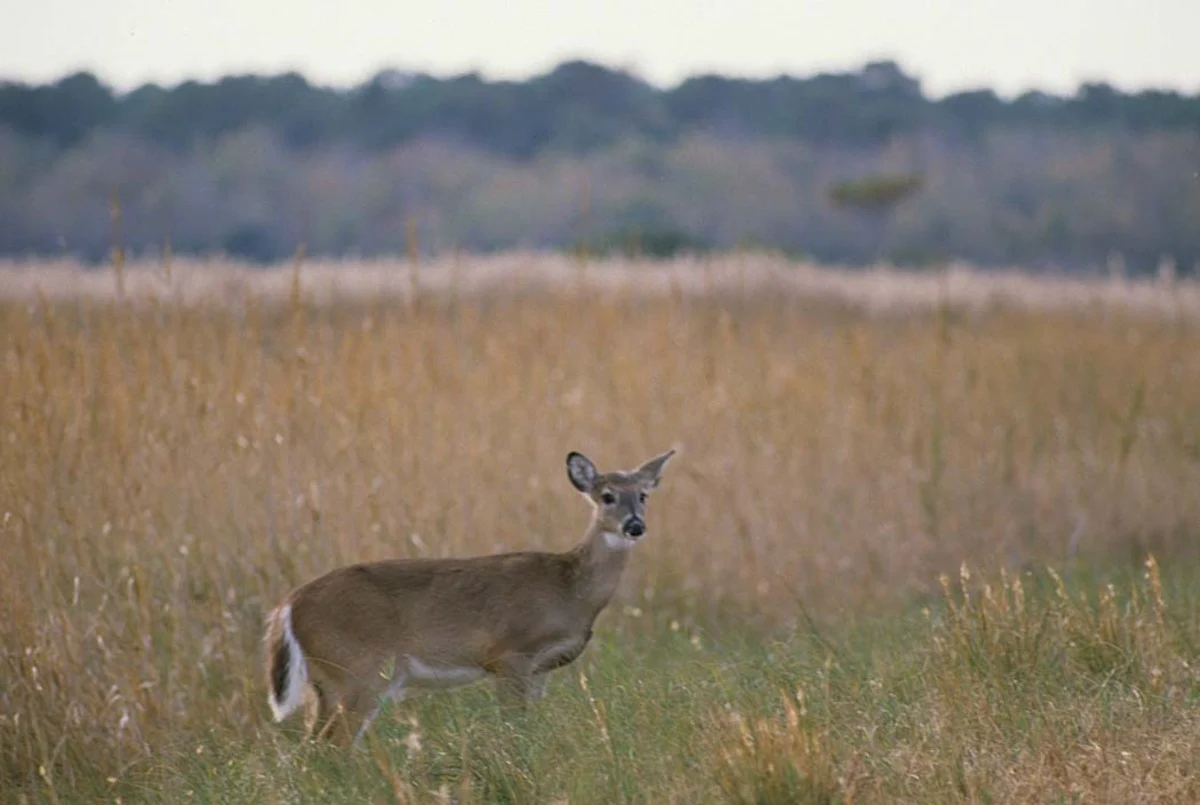
Photo: Dewhurst, Donna A. / USFWS, “Deer”. Public domain. Converted to WebP without cropping. Illustrative wildlife photograph; no harvest or meat-handling procedure is pictured.
More perspectives →As an Amazon Associate I earn from qualifying purchases.