The CWD test shouldn't be the loose end of a successful deer hunt. If you're hunting where testing is recommended or required, know where the sample is going before you head into the woods. Then keep the result connected to the meat all the way home.
That's a practical job, not a reason to give up hunting. We put real effort into finding an animal, making a clean shot and getting it recovered. A little preparation for sampling and identification helps protect that investment and gives wildlife managers information they can't get from an empty collection kiosk.
Start with the agency, not the group chat
Chronic wasting disease affects deer, elk, moose and related animals. The CDC's CWD guidance says infections in people have never been reported, while making clear that whether people could become infected remains unknown. Those are different statements. Neither panic nor a promise of zero risk is an honest reading of the evidence.
CDC advises checking state wildlife and health department recommendations before hunting and strongly considering testing deer or elk before eating the meat. It also says not to eat meat from an animal that tests positive. Start there, then look up the instructions for the place and species you're actually hunting.
Check testing requirements, sample collection locations, carcass-movement rules and disposal instructions as separate questions. A convenient sampling station doesn't automatically make every route to it legal. A plan that works within one state may not work across a state line. Save the relevant agency information where you can read it without service, and check it again before departure.
Choose the handoff before the animal is down
Find a usable collection option, not just a pin on a map. Confirm what the station accepts, whether it is staffed, when it is available and how the sample must be prepared and stored. If you're relying on a processor or taxidermist, call ahead. Ask who actually submits the sample and how you'll receive its identification number.
Wisconsin DNR's sampling page illustrates why these details matter. It lists self-service kiosks, cooperating businesses, at-home lymph-node extraction and appointments with local DNR staff as different ways to submit a deer sample. Testing through the DNR is free for deer harvested in Wisconsin. Those are Wisconsin arrangements, not a promise about another state's program.
The department also warns that collection locations change through the season. An old screenshot or last year's stop may not be enough. For a shoulder or European mount, sort out the sampling sequence with the taxidermist and the collection provider before cutting anything. Keep the agency's preparation instructions with the plan rather than improvising anatomy from a short article.
Give each animal an identity that survives processing
The useful connection is between the harvested animal, its sample and every package of its meat. Make that connection easy to follow when the truck is unloaded and several people are working at once.
Use the official harvest and sample identifiers required by the program. Keep a private record linking them, along with the harvest date, required location information and the name of the person responsible for checking the result. Photograph the completed submission information for your own records where appropriate. Don't publish personal details or precise hunting locations to prove you did the paperwork.
Carry the identification through the processing job. Label bags, tubs and finished packages clearly enough that another person in the household can tell which animal they came from. Keep different animals separate rather than assuming you'll remember which unmarked pile was which. If several hunters share freezer space, agree on the labeling before the first load arrives.
CDC specifically suggests asking a commercial processor to process your animal individually so you receive meat from your own animal. Ask how that works for grinding and sausage as well as whole cuts. Don't assume a tag on the carcass answers what happens later in a shared batch.
Keep testing and meat care on separate tracks
Waiting for a test result doesn't suspend the work of cooling and storing meat properly. Arrange suitable refrigeration and processing while keeping the animal's identity intact. Sample storage and meat storage are different jobs; follow the collection program's directions for the sample and sound food-handling guidance for the venison.
For field dressing and meat handling in areas with CWD activity, CDC recommends latex or rubber gloves, avoiding internal organs especially the brain and spine, and not using kitchen knives or other kitchen tools. It advises against shooting, handling or eating animals that look sick or behave strangely, and against touching or eating animals found dead. Contact the wildlife agency for guidance on a suspect animal rather than turning it into a routine processing job.
Build a holding plan into the freezer organization. Mark meat awaiting a result clearly and keep it out of the household's meal rotation. Tell everyone who cooks, shares meat or takes packages to relatives what that label means. A test number in one hunter's phone isn't much use if somebody else has already made dinner or given the burger away.
Close the loop yourself
Know how the program delivers results and who will check them. Wisconsin DNR says results are generally available in 10–14 days during an average year; that's an example of why same-day answers shouldn't be assumed, not a guaranteed turnaround for your sample. Follow up with the testing program if you can't locate the result or don't understand the report.
Match the returned identifier to your record before changing the meat's status. Keep the result with that record. If the animal tests positive, follow CDC's advice not to eat it and ask the responsible agency about disposal and any additional instructions. Don't solve a disappointing result by passing the meat to someone else.
Hunters can support useful disease surveillance without letting the whole season become an argument about disease. Find the collection point, submit the right sample, keep the paperwork connected and finish the result check. That's a manageable piece of the hunt, and it deserves a place in the plan before the freezer is full.
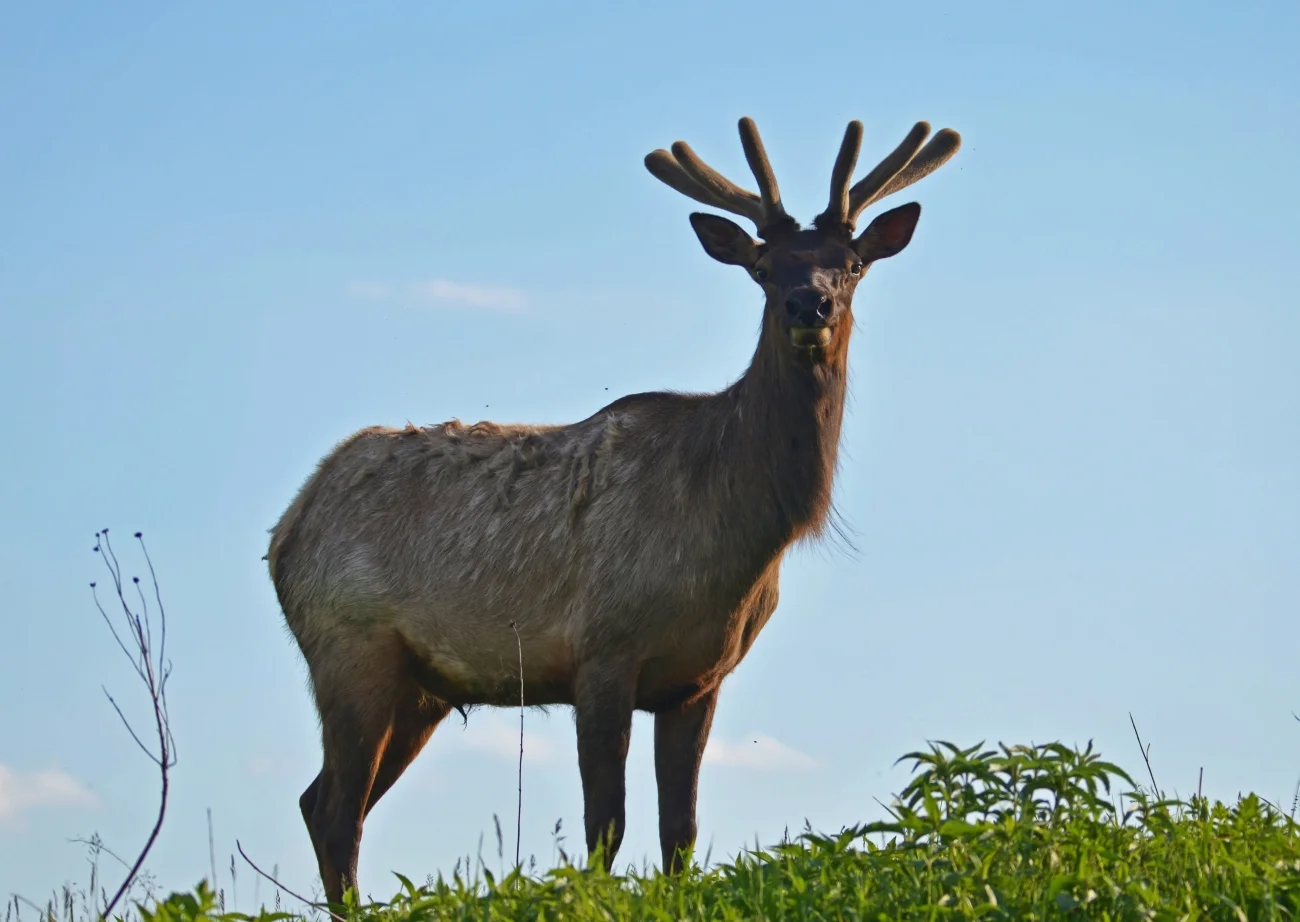
Photo: Joanna Gilkeson / USFWS, “Elk,” Neal Smith National Wildlife Refuge. Public domain. Converted to WebP without cropping. Illustrative wildlife photograph; the pictured animal is not identified as having CWD.
More perspectives →As an Amazon Associate I earn from qualifying purchases.