
Recovering the Great Lakes population of northern copperbelly water snakes takes more than breeding young snakes for release. In a September 9 update, the U.S. Fish and Wildlife Service describes work with the Toledo Zoo to raise juveniles while restoring the connected wetlands and forests the animals need to survive.
Biologists documented 22 wild individuals during surveys from 2020 through 2026. That is a survey count, not an estimate of the entire population: these secretive snakes are difficult to find, and coverage is limited. The northern distinct population segment has been federally listed as threatened since 1997.
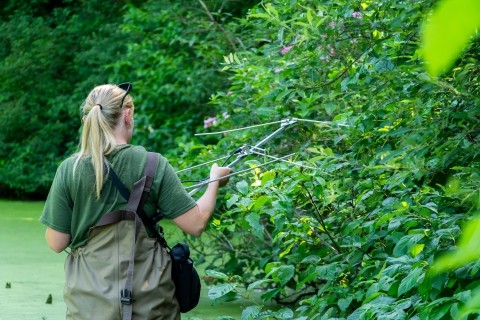
The captive breeding partnership began in 2020. So far, 17 captive-bred juveniles have been released, and another 10 are expected to be ready in 2027. Healthy juveniles receive radio transmitters before release near their parents' capture locations. Tracking their survival and movements helps staff assess habitat use and plan subsequent releases.
Habitat work is the other half of the effort. Since 2018, the agency's Partners for Fish and Wildlife program has completed 17 restoration projects within the snake's northern range in Michigan. In 2025, the agency also funded restoration of 16.4 acres of forest and wetland habitat at Ohio's Lake La Su An Wildlife Area. These snakes use shallow, sometimes seasonal wetlands and move through mature forest between feeding areas.
For landowners and people spending time around these wetlands, identification matters. Copperbelly water snakes are nonvenomous and should not be confused with copperheads. They are federally protected and should not be handled, injured or killed. The agency asks anyone documenting a possible sighting to contact its copperbelly team through the source page, ideally with a photo, location and observation date. Landowners in northern Indiana, southern Michigan and northwestern Ohio can also ask about habitat restoration opportunities.
Source & further reading
U.S. Fish and Wildlife ServiceRegulations and conditions change. Check current official guidance before you hunt, dive or travel.