
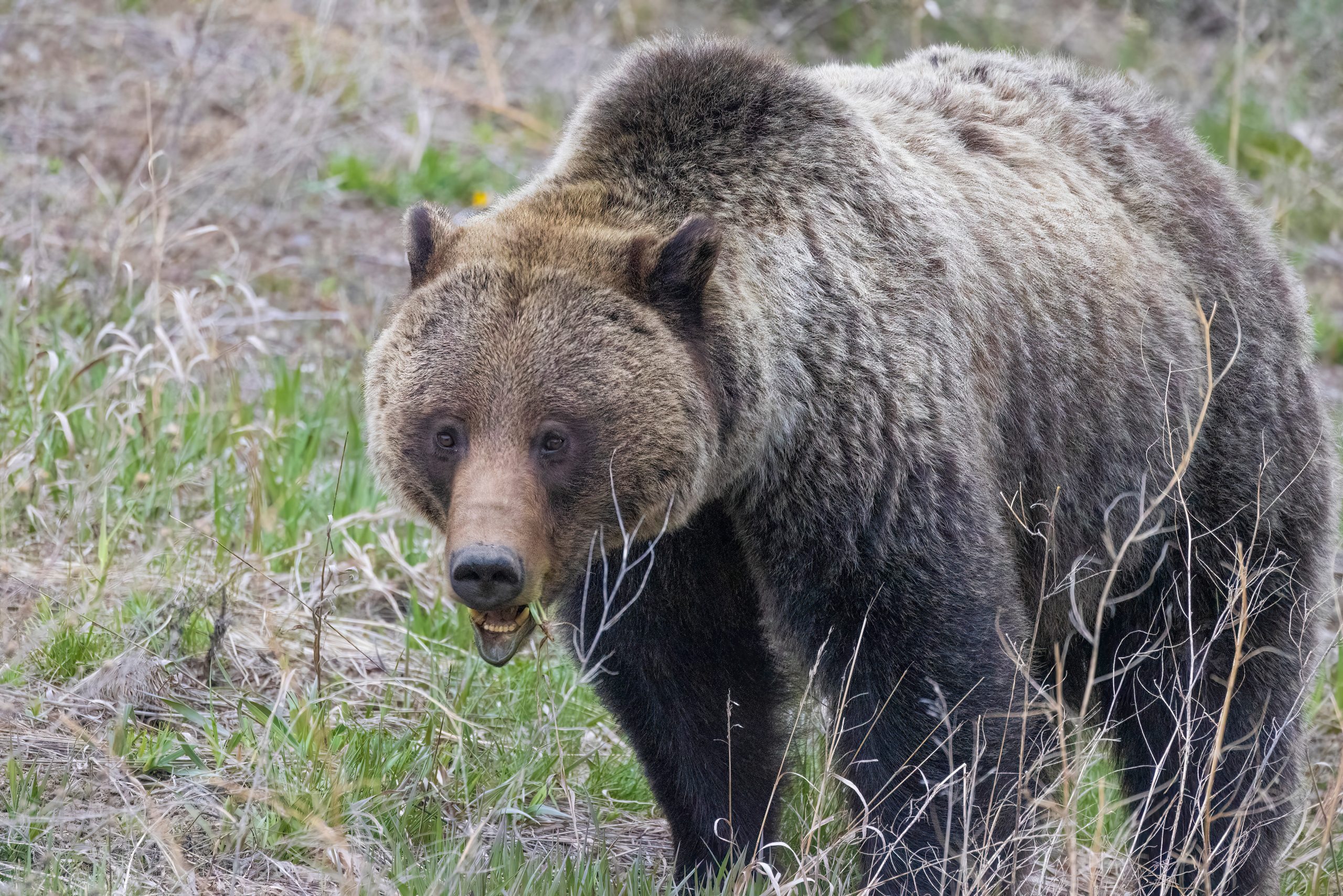
Grizzly bear recovery has to lead somewhere besides permanent federal limbo.
The U.S. Fish and Wildlife Service has proposed revising the Endangered Species Act 4(d) rule for grizzly bears in the Lower 48. The change would give state and tribal wildlife agencies a bigger role in management, with more flexibility and cooperation while bears remain listed and a clearer path toward state-led management if delisting happens.
The numbers matter. When grizzlies were listed as threatened in 1975, roughly 700 to 800 remained in the Lower 48. Today, more than 2,000 occupy four primary ecosystems. That recovery did not happen by accident. It came through habitat, law enforcement, conflict work, relocation, monitoring and decades of management by federal, state and tribal partners.
Predator recovery is not supposed to mean nobody ever manages the predator again. It should mean the population is strong enough that wildlife professionals can manage bears alongside elk, deer, livestock, rural communities, hunters, outfitters and everyone else living with the animal on the ground.
This is where conservation has to be honest. If the goalposts keep moving every time a recovered predator gets close to delisting, people stop trusting the process. Grizzlies deserve serious management. So do the people and wildlife sharing that country with them.
Source & further reading
Sportsmen's AllianceRegulations and conditions change. Check current official guidance before you hunt, dive or travel.