
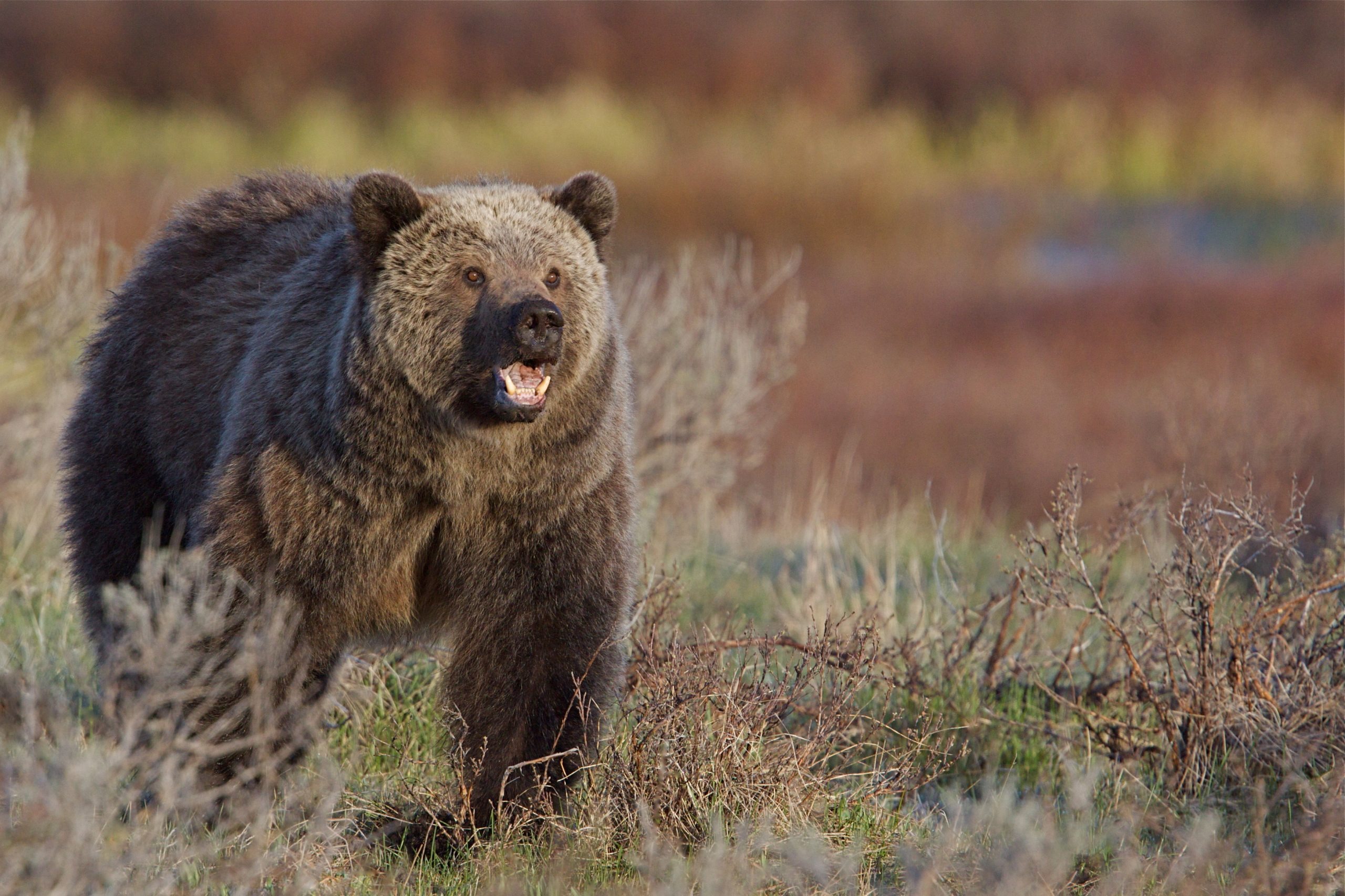
The Department of the Interior is moving toward giving Western states more room to manage grizzly bears where recovery benchmarks have been met or exceeded. That is exactly the kind of wildlife decision that should be driven by biology, conflict data, and people who actually live with the animals on the landscape.
The revised proposal would increase management flexibility for grizzlies in recovered areas while keeping long-term conservation in place under the Endangered Species Act. Interior announced the move with leaders from Montana, Wyoming, Idaho, and the U.S. Fish and Wildlife Service, pointing to decades of work by states, tribes, federal agencies, landowners, and local communities.
This is not about pretending grizzlies do not matter. They do. It is about admitting that recovery changes the job. When an apex predator expands beyond recovery goals, managers need tools to deal with public safety, livestock conflicts, hunter encounters, and pressure on elk, deer, and other wildlife. Locking every decision in federal court is not conservation. It is paralysis.
Sportsmen have been saying this for years: successful recovery should lead to responsible management, not endless lawsuits that freeze states out after they helped build the recovery in the first place. Montana, Wyoming, and Idaho know these bears and these landscapes better than national activist groups raising money off fear.
Grizzlies deserve a future, and so do the communities, hunters, ranchers, and wildlife managers living under the rules. If the science says a population is recovered, then management needs to follow the science all the way through. That means state biologists at the table, conflict tools available, and legal harvest considered where it makes biological sense.
Source & further reading
Sportsmen's AllianceRegulations and conditions change. Check current official guidance before you hunt, dive or travel.