
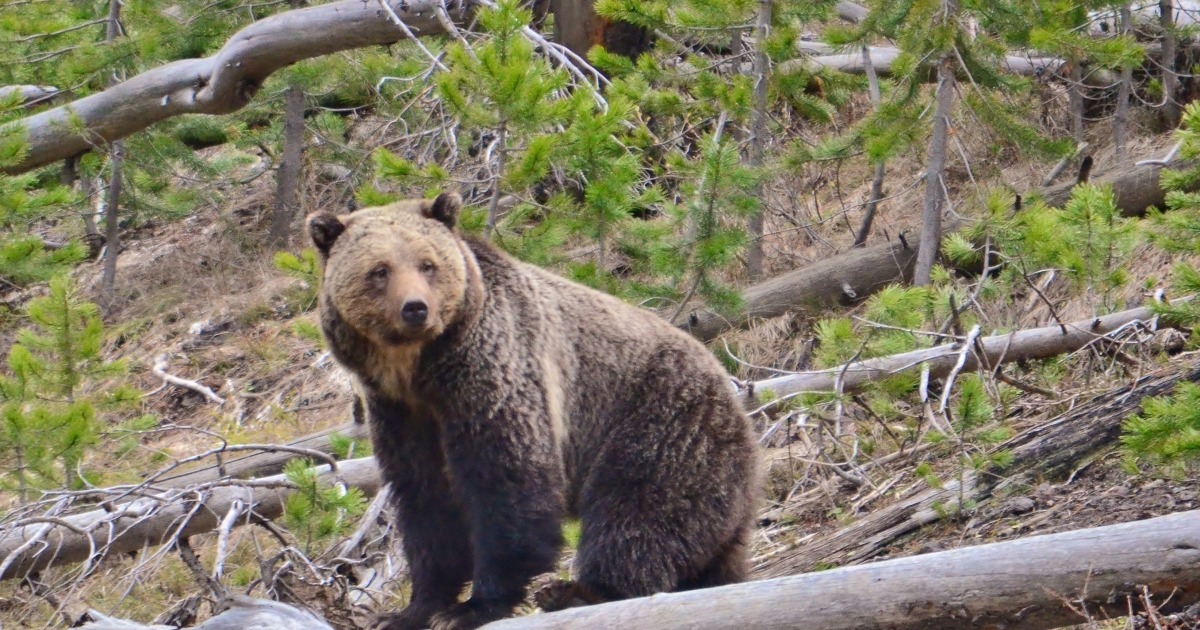
The Interior Department has rolled out a revised proposal that would give Western states more flexibility in managing grizzly bears where recovery benchmarks and population goals have been met.
The proposal does not change the grizzly bear’s threatened listing under the Endangered Species Act, and it does not change existing experimental population designations. What it does is reopen a 30-day public comment period on revised 4(d) provisions aimed at giving managers more room to deal with conflicts, public safety, and local conditions while keeping long-term conservation in place.
That distinction matters. Grizzly recovery has taken decades of work by states, tribes, federal agencies, private landowners, ranchers, and local communities. In parts of bear country, populations have grown and bears have expanded into more places where conflicts with livestock, people, and recreation are real. A recovered or recovering predator still needs management.
The old argument that every management tool is somehow anti-conservation does not hold water. Conservation is not just protecting an animal on paper. It is keeping the species healthy while giving people on the ground practical tools to reduce conflicts before tolerance collapses.
Western states need a serious role in grizzly management because they are the ones dealing with the consequences at fence lines, trailheads, calving grounds, and backcountry camps. The public comment period is where hunters, ranchers, outfitters, hikers, and local residents should speak plainly. Science-based predator management only survives if the record includes the people living with the predators.
Source & further reading
U.S. Fish and Wildlife ServiceRegulations and conditions change. Check current official guidance before you hunt, dive or travel.