
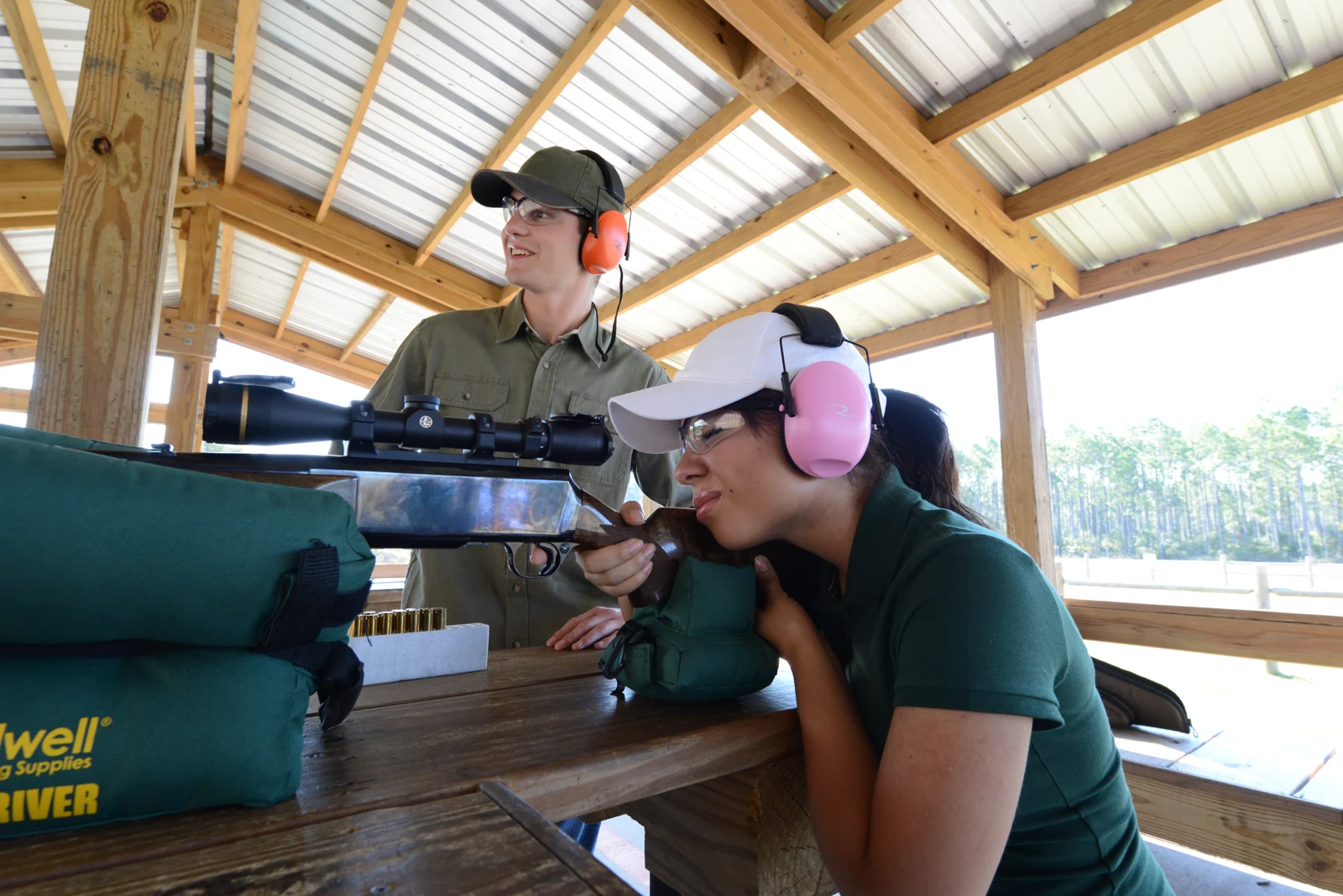
Hearing protection belongs in the hunt, not just in the range bag. If the plan is to wear it while checking the rifle and leave it in the truck when the season opens, there's still a piece of equipment preparation to finish.
Hunters have a practical reason to care about hearing. We want to hear a bird moving through leaves, a partner speaking quietly and what's happening around us. Keeping that ability means finding protection we can actually use while hunting, rather than choosing between bare ears and equipment we haven't learned to wear.
A hunting shot is still a noise exposure
The National Institute on Deafness and Other Communication Disorders identifies both hunting and target shooting as activities that can cause noise-induced hearing loss. It explains that an intense burst such as a gunshot can cause immediate, permanent damage. A short exposure isn't automatically a harmless one.
Ringing or muffled hearing afterward isn't a useful way to decide whether the protection was adequate. NIDCD notes that even when a temporary hearing change seems to disappear, long-term damage may remain. Don't build a season around the assumption that ears which feel normal again have escaped injury.
Give hearing protection the same attention as other equipment that makes shooting workable. Choose the setup before the hunt, learn its limitations and use it before the noise starts.
Fit the protection to the whole setup
Start with equipment intended for hearing protection and follow its fitting instructions. Ordinary music earbuds and noise-canceling headphones aren't interchangeable with shooting protection. NIOSH's hearing-protection guidance specifically warns that active noise cancellation shouldn't be treated as hearing protection unless the device is labeled with a noise reduction rating.
The number on the package isn't a personal guarantee, either. NIOSH explains that the labeled noise reduction rating often doesn't reflect the protection an individual actually receives. Fit matters. If you can't get plugs seated correctly or muffs to seal properly, get help with the fit or try a suitable alternative instead of accepting a loose arrangement.
Check the combination you will actually wear: eye protection, hat, cold-weather layers and hearing protection together. NIOSH calls out compatibility problems between earmuffs and other equipment, including some eyeglasses. Don't solve a seal problem by abandoning required eye protection. Find a combination that works together.
Check stock clearance before live fire, too. With the firearm unloaded, ammunition kept out of the handling check and all normal safe-handling rules followed, see whether shouldering it disturbs a muff cup. If it does, change the setup before shooting. A comfortable standing fit doesn't answer what happens when your cheek settles onto the stock.
Make communication part of the choice
The complaint that protection makes it harder to hear deserves a practical answer. NIOSH describes level-dependent and sound-restoration protectors that allow quieter sounds through while limiting louder sounds, along with communication headsets designed to help people speak in noisy conditions. Those features can be worth investigating for a hunting setup.
Electronics don't remove the need for proper fit or appropriate protection. Learn the controls and instructions before relying on a device, and check its power supply as part of packing. Don't assume every electronic muff, plug or headset provides the same protection simply because it lets you hear conversation.
For impulse noise, NIOSH's occupational guidance calls for double protection: earmuffs over earplugs. That's a strong reason to discuss the actual shooting environment and suitable combinations with a qualified hearing professional, particularly if you already have hearing difficulty. Follow range requirements as well. Don't add two package ratings together and call the result your protected exposure.
Work out communication with hunting partners before shooting begins. Agree on a clear stop signal and how you'll confirm that everyone heard an instruction. If something needs adjusting or explaining, pause the activity safely. Lifting a muff beside somebody who may fire isn't a communication plan.
If you're comparing electronic earmuffs, the Howard Leight Impact Sport R-01526 in olive drab green is one option to investigate. Check the manufacturer's fitting instructions and whether the cups seal with your eye protection and clear your stock. This is an optional shopping suggestion, not a claim that this model alone provides adequate protection for your shooting environment; the fit and double-protection guidance above still applies.
KILLSHOT Life may earn a commission from purchases through this Amazon link.
Put the equipment where the decision happens
Protection packed underneath lunch and spare clothing is easy to leave unused. Give it a consistent, accessible place and put it on before shooting can begin. On a shared hunt, include everyone who will be near the gunfire, not only the person expecting to pull the trigger.
Keep a clean spare set available, stored and maintained according to its instructions. Inspect reusable equipment before the trip and replace damaged components as the manufacturer directs. A spare is useful only if the person who needs it can wear it correctly; an adult's loose muffs aren't automatically a solution for a child.
Try the arrangement during a planned practice session rather than introducing unfamiliar equipment on opening morning. Notice what becomes uncomfortable, what interferes with other gear and whether you can communicate without repeatedly removing protection. Fix those problems while there's time to choose another approach.
Keep hearing on the preseason list
If you suspect hearing loss, NIDCD recommends having your hearing tested. That conversation is also a chance to explain the shooting and hunting you do and ask about protection suited to your circumstances. Turning up an electronic device isn't a substitute for understanding a hearing problem.
There's no need to make this complicated or turn it into another competition over expensive gear. The useful outcome is protection that fits, works with the rest of your equipment and is already in place when a shot is fired. We spend enough time preparing for the chance to hunt. Keeping our hearing deserves a place in that preparation.
Photo: Tim Donovan / Florida Fish and Wildlife Conservation Commission, target shooting at the Bay County public range, via USFWS. Public domain. Resized and converted to WebP without cropping. Illustrative range photograph; no endorsement by the agencies or pictured people is implied.
More perspectives →As an Amazon Associate I earn from qualifying purchases.